Middle East Conflict Looks Increasingly Like a War Nobody Can Win
Why It Matters
The conflict’s endurance threatens global oil supplies, inflates shipping costs, and forces corporations to reassess risk exposure across the Middle East. Without a unified US‑Israel approach, escalation could trigger a broader economic shock.
Key Takeaways
- •US and Israel hold military superiority but lack clear political goals.
- •Iran’s strategy focuses on survival and outlasting adversaries.
- •U.S. has used ~45‑50% of key missile stockpiles.
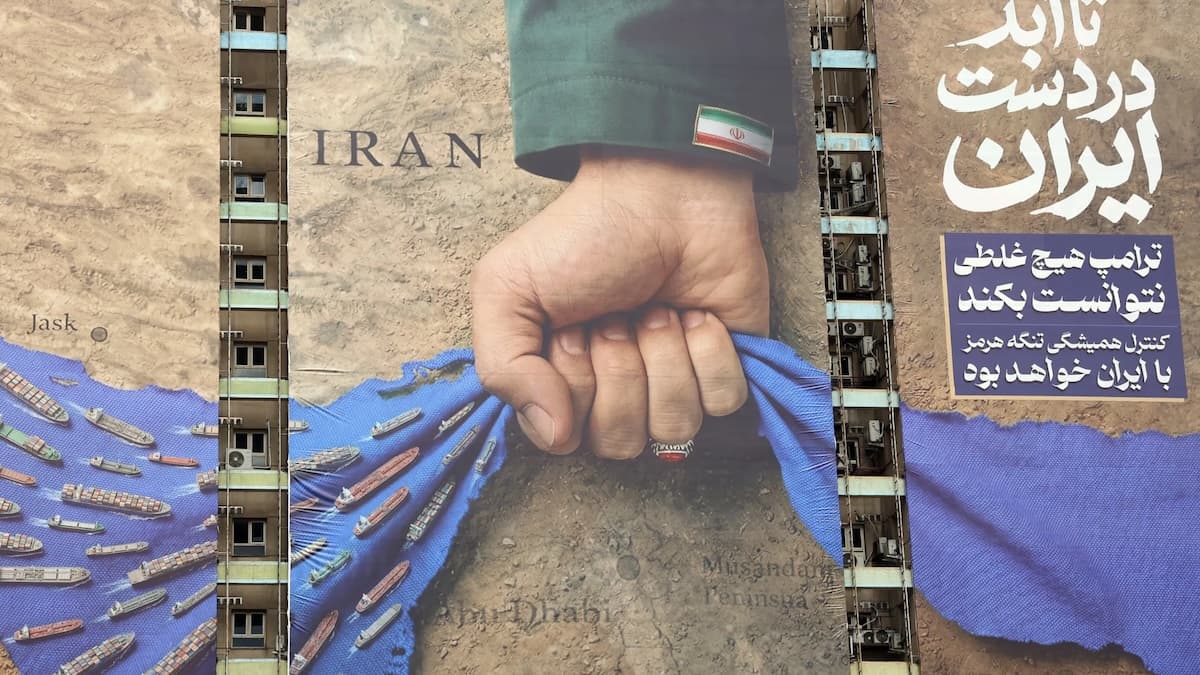
- •Disruptions in Strait of Hormuz pressure global energy prices.
- •Divergent US‑Israel objectives hinder coordinated conflict resolution.
Pulse Analysis
The Iran‑US‑Israel confrontation has morphed from a conventional showdown into a war of endurance. While Washington and Jerusalem can deliver precision strikes, Tehran’s definition of victory—simply staying in power—means it can absorb damage and keep its regional networks functional. This asymmetry forces the adversaries into a costly game of attrition, where each side measures success not by battlefield dominance but by the ability to outlast the other, turning the conflict into a protracted geopolitical stalemate.
Compounding the strategic deadlock is the United States’ dwindling missile inventory; defense analysts estimate that 45‑50% of its Tomahawk and other key missiles have already been fired. This depletion curtails the option of sustained aerial bombardment and raises the stakes of any ground escalation. At the same time, Iran’s leverage over the Strait of Hormuz creates a direct conduit to global energy markets. Even brief disruptions can spike crude prices, tighten shipping lanes, and ripple through sectors such as aviation, manufacturing, and logistics, prompting firms to hedge fuel costs and reconsider supply‑chain routes.
Perhaps the most critical barrier to resolution is the divergent end‑state visions of the United States and Israel. Washington oscillates between coercion, containment and diplomatic overtures, while Israel pursues maximal degradation of Iran’s capabilities, potentially even regime change. This lack of strategic alignment hampers coordinated action and prolongs the conflict, increasing the probability of regional spillover. For businesses, the takeaway is clear: monitor policy signals from both capitals, diversify energy sourcing, and prepare for sustained volatility in Middle‑East‑linked markets.
Middle East conflict looks increasingly like a war nobody can win
Comments
Want to join the conversation?
Loading comments...