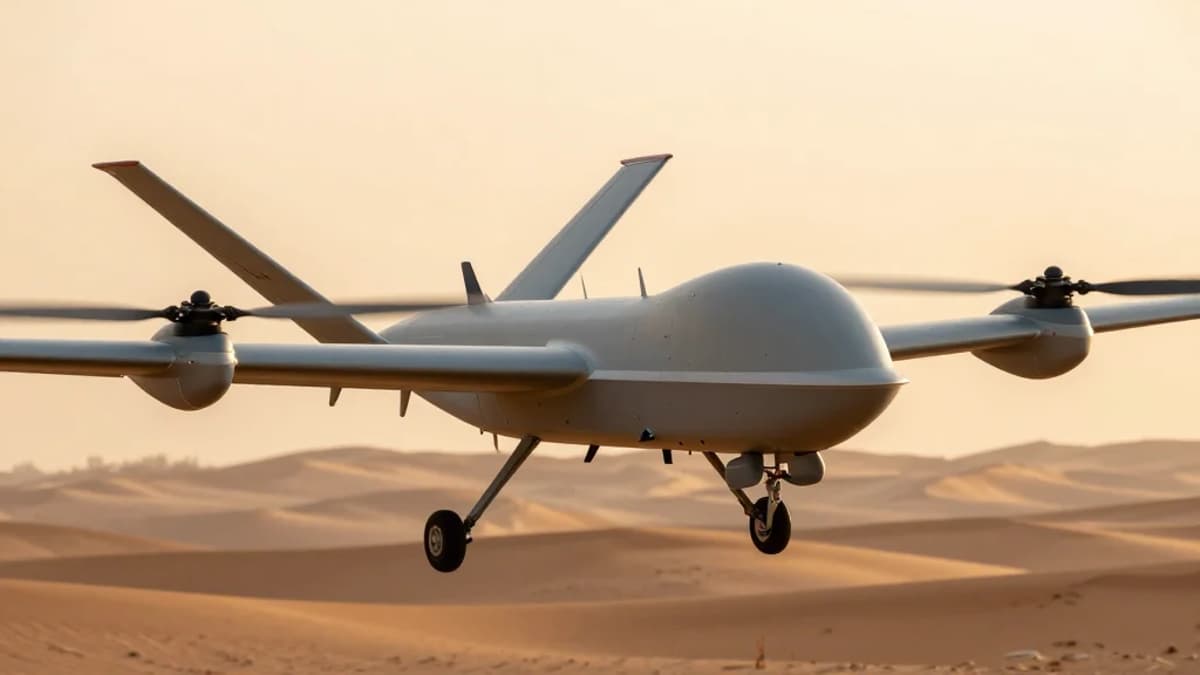
Middle East UAV Market Underscored by $17bn in Unsigned Deals
•February 25, 2026
0
Why It Matters
The $17 bn backlog signals a massive revenue surge for aerospace firms and could reshape regional defense capabilities.
Key Takeaways
- •Saudi Arabia leads with MQ‑9B and Gambit procurement plans
- •Unawarded UAV programs total US$17 billion across the Middle East
- •Recent Dubai, Abu Dhabi, Riyadh shows generated interest, no contracts
- •Manufacturers eye growth, but competition and budget cycles delay awards
Pulse Analysis
The Middle East has become a focal point for uncrewed aerial vehicle (UAV) adoption, driven by heightened security concerns and ambitious defense budgets. Analysts estimate that roughly US$17 billion in UAV contracts remain unsigned, reflecting both the region’s appetite for advanced platforms and the complexity of procurement processes. This latent demand positions the market as one of the fastest‑growing segments in global aerospace, attracting legacy manufacturers and emerging players alike.
Saudi Arabia dominates the pipeline, with the Kingdom pursuing General Atomics’ MQ‑9B SkyGuardian/SeaGuardian variants and the Gambit tactical UAV family. These systems promise long‑endurance surveillance, maritime patrol, and precision strike capabilities that align with Saudi strategic objectives. The concentration of high‑value contracts in a single country intensifies competition among suppliers, prompting them to offer customized support packages, technology transfers, and local assembly options to secure a foothold.
Trade shows such as the Dubai Airshow, UMEX in Abu Dhabi, and the World Defense Show in Riyadh have amplified visibility but have not yet translated into signed agreements. Procurement cycles in the region are often prolonged by budgetary approvals, export‑control reviews, and geopolitical considerations. As governments finalize requirements, manufacturers that can navigate these hurdles and demonstrate operational reliability are likely to capture a significant share of the pending $17 billion, reshaping the UAV supply chain and accelerating indigenous capabilities across the Middle East.
Middle East UAV market underscored by $17bn in unsigned deals
0
Comments
Want to join the conversation?
Loading comments...