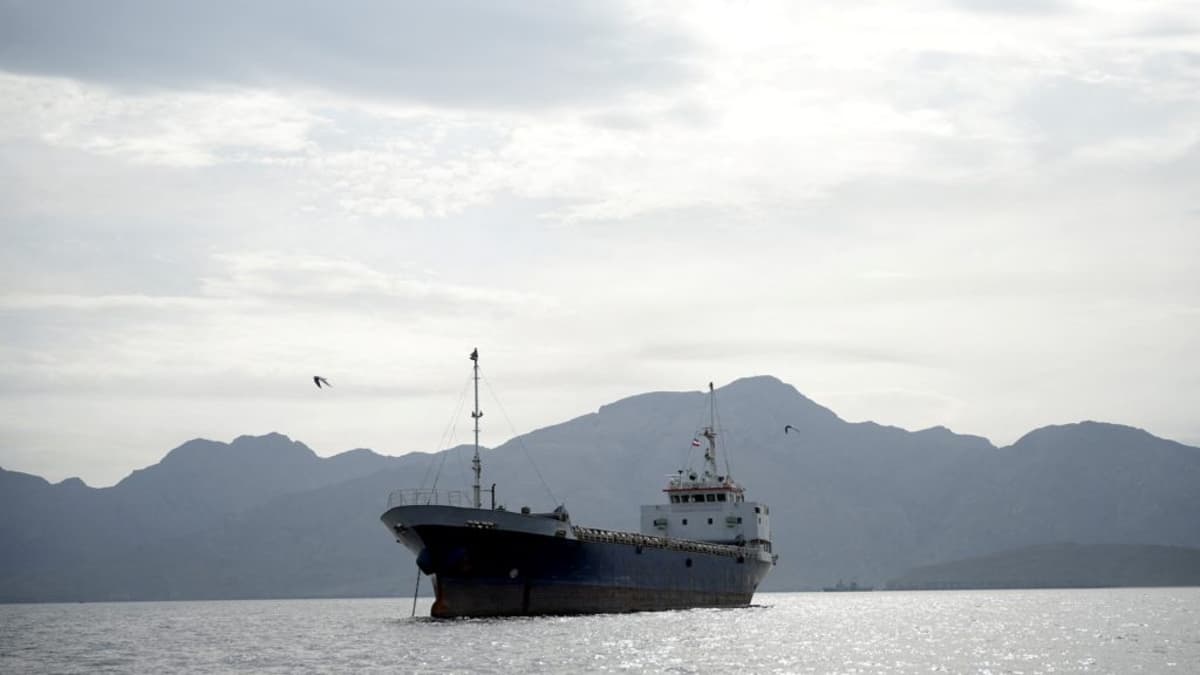
Mideast Experts Discuss How the U.S. Blockade Could Pressure the Iranian Regime
Why It Matters
The blockade’s success or failure will shape U.S.-Iran nuclear talks and could trigger sharp oil price spikes, affecting worldwide markets and regional security.
Key Takeaways
- •Blockade could force Iran back to negotiations, but timeline uncertain.
- •90% of Iran’s trade relies on Strait of Hormuz, limiting alternatives.
- •Iran’s internet shutdown costs ~$50 million daily, highlighting domestic pressure.
- •$160 million daily imports cannot be rerouted, amplifying economic strain.
- •Prolonged blockade risks global oil market disruption before Iran yields.
Pulse Analysis
The Strait of Hormuz remains a chokepoint for global energy flows, with roughly 20% of the world’s oil passing through the narrow waterway. Iran’s economy is heavily tethered to this route—about 90% of its trade and an estimated $160 million in daily imports flow through it—making any sustained interdiction a potent lever. By targeting the strait, the United States hopes to create a cost‑benefit calculus that forces Tehran back to the negotiating table, especially as the regime grapples with internal unrest amplified by a 40‑day internet blackout that erodes tax revenues by roughly $50 million each day.
Analysts on the panel present a split view on the blockade’s efficacy. Miad Maleki emphasizes the immediate economic pain Iran would feel, arguing that alternative overland routes cannot replace the volume of goods moving through the Gulf, and that prolonged scarcity could spark labor strikes and weaken the regime’s grip. Alan Eyre, however, cautions that the time required for a full blockade to cripple Iran may outlast the window of strategic relevance, as global markets would feel the shock of a closed strait long before Tehran concedes. The potential for collateral damage—higher oil prices, disrupted supply chains, and the risk of U.S. vessels confronting Chinese or Pakistani ships—adds a layer of geopolitical risk that could deter a decisive U.S. push.
Policymakers must weigh the blockade’s pressure against its broader fallout. If the strait remains partially open, Iran may continue limited oil exports, preserving enough revenue to sustain its nuclear program and proxy networks. Conversely, a total closure could precipitate an economic collapse, possibly igniting internal opposition but also risking uncontrolled escalation. A calibrated approach that pairs targeted sanctions with diplomatic overtures may offer the most viable path, preserving market stability while keeping Tehran accountable for its nuclear and regional activities. Ultimately, the blockade’s utility hinges on timing, international coordination, and the willingness of both sides to engage in a realistic, enforceable agreement.
Mideast experts discuss how the U.S. blockade could pressure the Iranian regime
Comments
Want to join the conversation?
Loading comments...