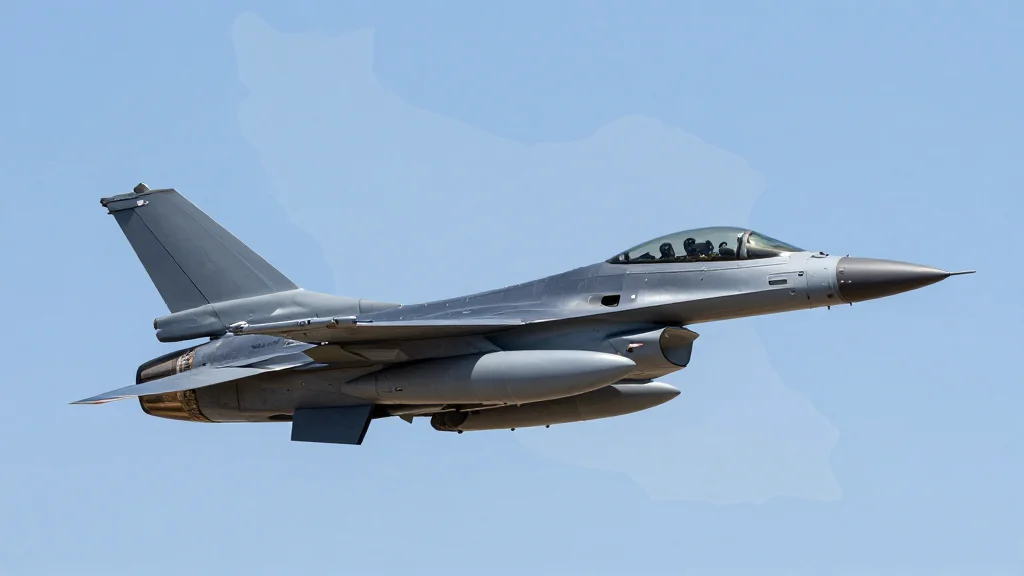
Midnight Hammer F-16 Pilots Flew Their Non-Stealth Jets Deep Into Iran Protecting Bombers. Then They Flew Out Critically Low on Fuel.
Why It Matters
The operation underscores the vulnerability of conventional fighters in high‑risk, long‑range missions and highlights a growing Air Force tanker gap that could constrain future power‑projection capabilities.
Key Takeaways
- •Six F‑16 pilots earned Distinguished Flying Cross for deep Iran escort
- •Jets flew ~300 miles into Iranian airspace without stealth capability
- •Unexpected tanker shortfalls forced high‑speed, low‑fuel refueling maneuvers
- •Mission highlighted chronic Air Force tanker shortage and modernization risks
- •Lessons may shape future long‑range strike planning in contested regions
Pulse Analysis
Operation Midnight Hammer demonstrated how the United States can combine stealth bombers with conventional fighters to achieve deep‑strike objectives, even against sophisticated integrated air defenses. By inserting F‑16s into the Iranian envelope, the Air Force leveraged the aircraft’s proven agility and AGM‑88 anti‑radiation missiles to suppress radar sites, creating a protected corridor for B‑2s carrying 30,000‑pound GBU‑57 penetrators. The pilots’ willingness to operate without low‑observable technology illustrates a calculated risk that relies heavily on precise timing, situational awareness, and rapid decision‑making under fire.
The mission’s most striking lesson emerged from the fuel logistics chain. Unanticipated tanker cancellations forced pilots to execute refueling at speeds beyond standard F‑16 parameters, leaving them “critically low” on fuel as they exited Iranian airspace. This scenario exposed the Air Force’s chronic tanker gap—a shortfall amplified by an aging KC‑135 fleet and delayed acquisition of newer platforms. In a theater where distances are greater, such as the Pacific, the shortage could jeopardize sortie rates, limit strike depth, and increase the probability of aircraft loss.
Strategically, the operation signals a need for renewed investment in aerial refueling capability and adaptive mission planning. Policymakers and defense planners must consider integrating more resilient tanker assets, developing contingency refuel‑on‑the‑fly doctrines, and possibly fielding low‑observable escort fighters to reduce exposure. As great‑power competition intensifies, the ability to sustain long‑range, high‑risk missions without compromising safety will be a decisive factor in maintaining U.S. air superiority.
Midnight Hammer F-16 pilots flew their non-stealth jets deep into Iran protecting bombers. Then they flew out critically low on fuel.
Comments
Want to join the conversation?
Loading comments...