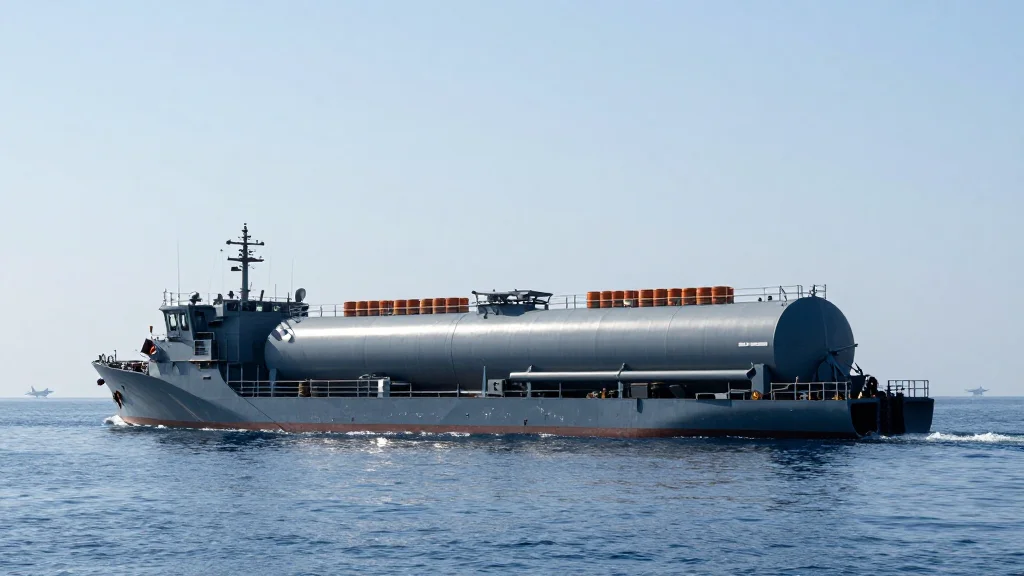
Military Fuel Tenders Signal Shift From Hormuz-Linked Routes
Why It Matters
By bypassing Hormuz, the United States secures critical aviation and naval fuel for forward‑deployed forces while signaling a strategic shift in global energy logistics. The change could reshape regional fuel markets and reinforce U.S. operational readiness in the Indo‑Pacific.
Key Takeaways
- •U.S. tendered 235k barrels jet fuel to Philippines' Subic Bay
- •Another 260k barrels of JP‑5/F‑76 slated for Japan's Yokose
- •Shipments bypass Hormuz, reflecting Iran war’s supply‑chain disruption
- •U.S. West Coast fuel exports to Asia rise amid Gulf constraints
- •Only four JP‑5 exports from U.S. since 2017, per Kpler data
Pulse Analysis
The Pentagon’s recent fuel tenders illustrate a pragmatic response to the near‑shutdown of crude shipments through the Strait of Hormuz. With Iranian hostilities curtailing the flow of Middle‑Eastern oil, the U.S. military is turning to domestic refining capacity on the West Coast to meet the jet‑fuel and diesel needs of its Pacific fleet. Cherry Point’s BP refinery, already a key source of JP‑5 for naval aviation, now serves as a launch point for large‑scale cargoes bound for Subic Bay and Yokosuka, locations that act as logistical hubs for carrier strike groups and forward‑deployed aircraft.
Beyond operational security, the shift has market‑level implications. Historically, Asia‑Pacific jet fuel has been sourced from Middle‑East crude refined in Singapore or South Korea. The new U.S. shipments bypass those traditional pathways, potentially tightening regional supply and nudging spot prices higher. Energy analysts note that West‑Coast diesel exports to Australia have already surged, and the added jet‑fuel volumes could further strain Asian refineries already grappling with reduced feedstock. Traders are watching for price differentials that may emerge between U.S. West‑Coast grades and conventional Middle‑East‑derived products.
Strategically, the move reinforces U.S. commitment to maintaining a forward‑deployed naval presence amid heightened tensions in the Indo‑Pacific. By securing a reliable fuel pipeline independent of Hormuz, the Navy can sustain carrier operations and air patrols without exposing logistics to geopolitical chokepoints. The broader lesson for the energy sector is the growing importance of supply‑chain resilience; as conflicts reshape traditional routes, diversified sourcing and flexible shipping strategies become essential for both military and commercial stakeholders.
Military Fuel Tenders Signal Shift From Hormuz-Linked Routes
Comments
Want to join the conversation?
Loading comments...