Missing Intelligence: The Trump Administration, Iran and the US Intelligence Community
Why It Matters
The episode underscores how sidelining intelligence can lead to strategic miscalculations, jeopardizing long‑term U.S. security objectives in the Middle East and eroding confidence in the intelligence community’s role in policy formation.
Key Takeaways
- •CIA pinpointed Khamenei, enabling decapitation strike
- •Trump ignored CIA warnings, favoring gut instinct
- •Intelligence predicted Iran's regime resilience, later confirmed
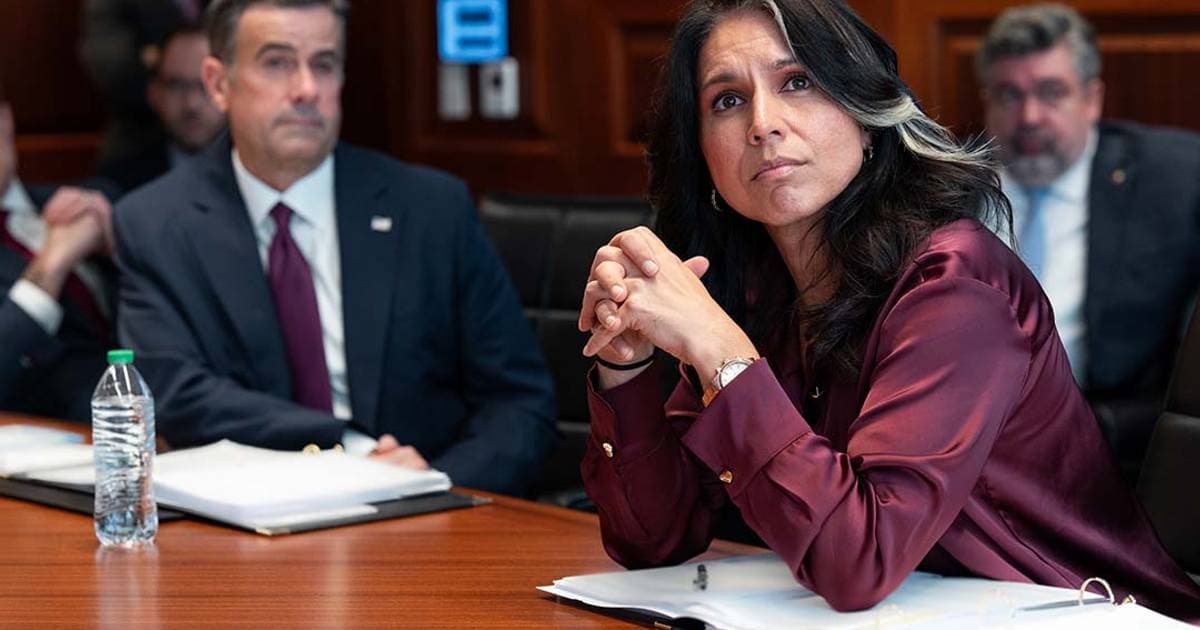
- •DNI Gabbard sidelined, exposing US intelligence‑policy disconnect
- •Operation Epic Fury's tactical success contrasted with strategic policy failures
Pulse Analysis
Operation Epic Fury highlighted the paradox of U.S. intelligence superiority and its marginal influence on presidential decision‑making. The CIA’s precise location data on Ayatollah Khamenei enabled a rapid strike that eliminated the Iranian leadership’s top tier, mirroring earlier successes against Hezbollah and Iran’s nuclear infrastructure. Yet, behind the scenes, analysts repeatedly cautioned that the regime’s core institutions—particularly the IRGC—could survive and even harden after such blows. These assessments were largely dismissed by a Trump administration that prized personal intuition and past covert triumphs over systematic intelligence products.
The disconnect between intelligence and policy was evident not only in the lead‑up to the strikes but also in the war’s broader conduct. Defense officials publicly downplayed credible threats, such as the potential closure of the Strait of Hormuz, despite internal reports indicating Iran could still field 70% of its pre‑war missile launchers. By ignoring these warnings, the administration failed to allocate appropriate defensive assets, like THAAD interceptors, to vulnerable Gulf allies. The resulting surprise at Iran’s retaliatory capabilities amplified regional instability and strained relationships with European partners who were left out of strategic planning.
Long‑term, the episode raises concerns about the resilience of the U.S. national‑security apparatus when political leaders marginalize professional analysis. Repeated leaks, the removal of dissenting intelligence officials, and the conspicuous absence of the Director of National Intelligence from key debates suggest an institutional erosion of trust. For policymakers, the lesson is clear: without integrating robust intelligence into strategic deliberations, tactical victories may mask deeper strategic failures, ultimately compromising America’s ability to shape outcomes in volatile theaters like the Middle East.
Missing Intelligence: The Trump Administration, Iran and the US Intelligence Community
Comments
Want to join the conversation?
Loading comments...