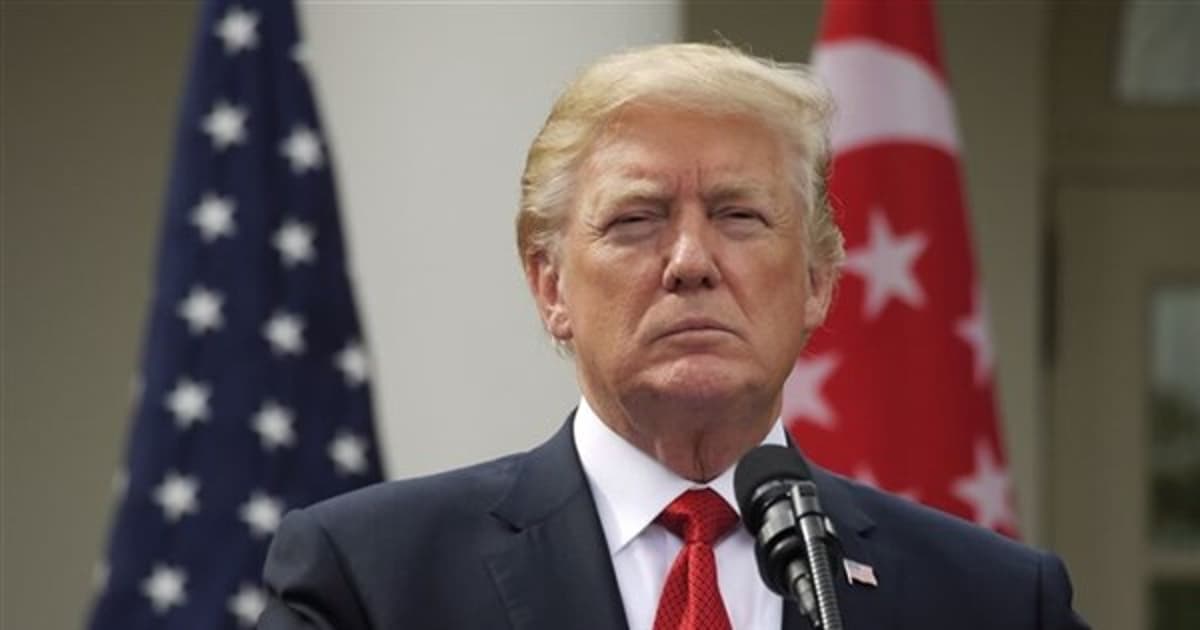
MOFA Mum on Whether Trump Arms Sales Remarks Break Six Assurances
Why It Matters
Any perceived shift in U.S. arms‑sale policy could alter the strategic balance across the Taiwan Strait and test the durability of long‑standing U.S.–Taiwan commitments. The issue also signals how U.S. domestic politics intersect with delicate U.S.–China relations.
Key Takeaways
- •Trump pledged to discuss Taiwan arms sales with Xi during Beijing summit
- •MOFA declined to confirm any breach of the Six Assurances policy
- •US approved a record $11.1 billion Taiwan arms package in December
- •U.S. officials say no policy shift despite Trump’s remarks
Pulse Analysis
The Six Assurances, first articulated by the Reagan administration, have been a cornerstone of U.S. policy toward Taiwan, guaranteeing that Washington would not consult Beijing on arms sales or alter the Taiwan Relations Act. Over the decades, successive U.S. administrations have used the assurances to justify a steady flow of defensive weapons to Taipei, reinforcing the island’s self‑defense capability amid an increasingly assertive China. The recent $11.1 billion package, the largest ever approved, underscores Washington’s commitment to maintaining a qualitative edge for Taiwan’s armed forces.
President Trump’s upcoming summit with Xi adds a new variable to this delicate equation. By publicly stating he will discuss arms sales with the Chinese leader, Trump raises questions about whether the United States might entertain Beijing’s long‑standing demand to halt such sales. Taiwan’s Ministry of Foreign Affairs chose diplomatic ambiguity, neither confirming nor denying a breach, while emphasizing close coordination with Washington. This measured response reflects Taipei’s need to balance reassurance to its own public with the risk of provoking Beijing, which consistently opposes any U.S. military support for the island.
The episode highlights the broader strategic rivalry between the United States and China. As Washington seeks to deter aggression through arms sales, Beijing views these transfers as a direct challenge to its reunification goals. Analysts suggest that even without an official policy shift, the rhetoric alone can influence regional calculations, prompting neighboring states to reassess their security postures. For Taiwan, the continuity of U.S. defense assistance remains vital, while for the United States, maintaining credibility under the Six Assurances is essential to preserving its broader Indo‑Pacific strategy.
MOFA mum on whether Trump arms sales remarks break Six Assurances
Comments
Want to join the conversation?
Loading comments...