More than Half of All Polymarket "Long Shot" Bets on Military Action Pay Off
Companies Mentioned
Why It Matters
Insider trading in prediction markets threatens national security and erodes fairness for ordinary participants, prompting heightened regulatory scrutiny and new compliance tools.
Key Takeaways
- •Long‑shot military bets on Polymarket win 52% of the time
- •Insider‑trading case: soldier earned >$400,000 from classified‑info wagers
- •US political leaders label military betting a national‑security risk
- •Competitors launch surveillance tools as regulators tighten scrutiny
Pulse Analysis
Prediction markets have long been touted as a crowd‑sourced barometer for future events, but the latest Anti‑Corruption Data Collective analysis reveals a darker side. By examining over 400,000 Polymarket contracts from 2021 to 2026, the study identified that "long‑shot" wagers—defined as bets of $2,500 or more with odds of 35% or less—on military actions win roughly 52% of the time. This success rate dwarfs the 25% win rate in broader political markets and the 14% overall platform average, suggesting that a small, informed minority can consistently profit from sensitive geopolitical information.
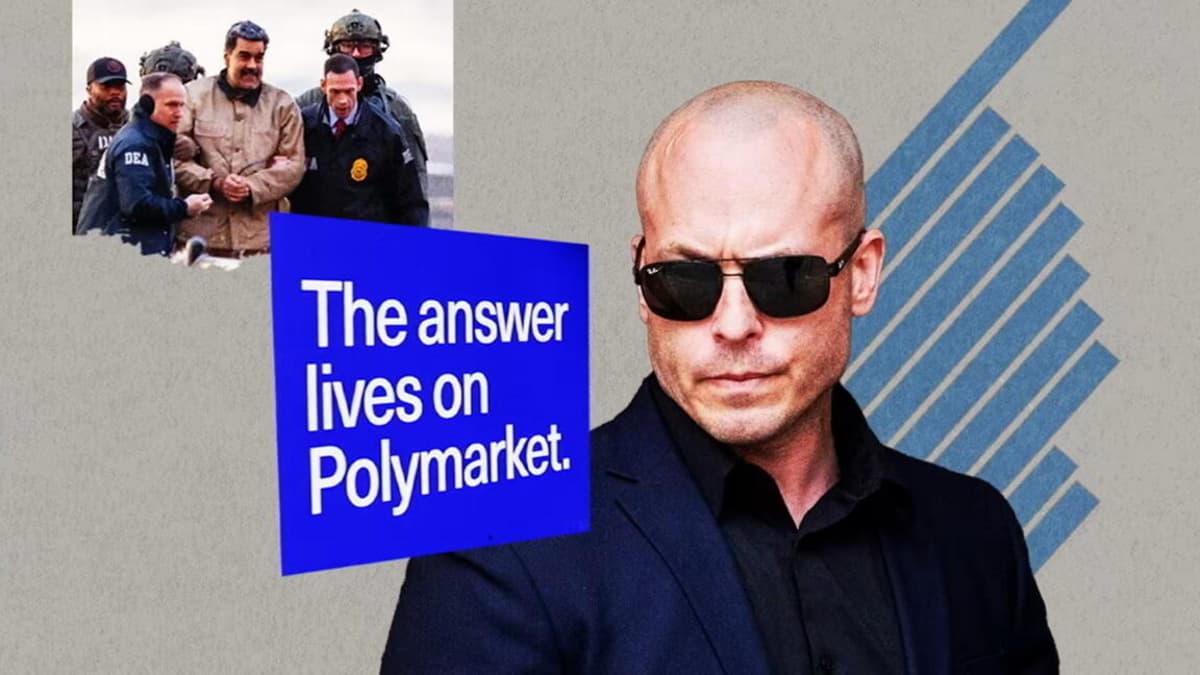
The report’s timing is critical, coming on the heels of the first U.S. insider‑trading prosecution linked to prediction markets. An active‑duty soldier allegedly placed 13 bets totaling $33,034 on scenarios such as "US Forces in Venezuela" and "Maduro out," ultimately earning more than $400,000. Lawmakers like Arizona Democrat Yassamin Ansari have labeled such wagering a "disturbing national‑security risk," while others warn it creates perverse incentives for insiders to influence policy for personal gain. Regulators are therefore weighing new rules to curb the flow of classified data into market pricing, a move that could reshape how platforms verify identity and monitor trade anomalies.
Industry response has been swift. Competitors such as Kalshi are emphasizing their regulated status and partnerships with surveillance firms like Solidus Labs, while start‑ups like Unusual Whales and Polywhaler offer subscription‑based tools to flag suspicious bets. These services, priced at $20 and $4.99 per month respectively, aim to help traders replicate the performance of the informed minority without violating the law. As scrutiny intensifies, prediction‑market operators will likely adopt stricter KYC protocols and real‑time monitoring, balancing the appeal of crowd wisdom with the imperative to protect national security and market integrity.
More than half of all Polymarket "long shot" bets on military action pay off
Comments
Want to join the conversation?
Loading comments...