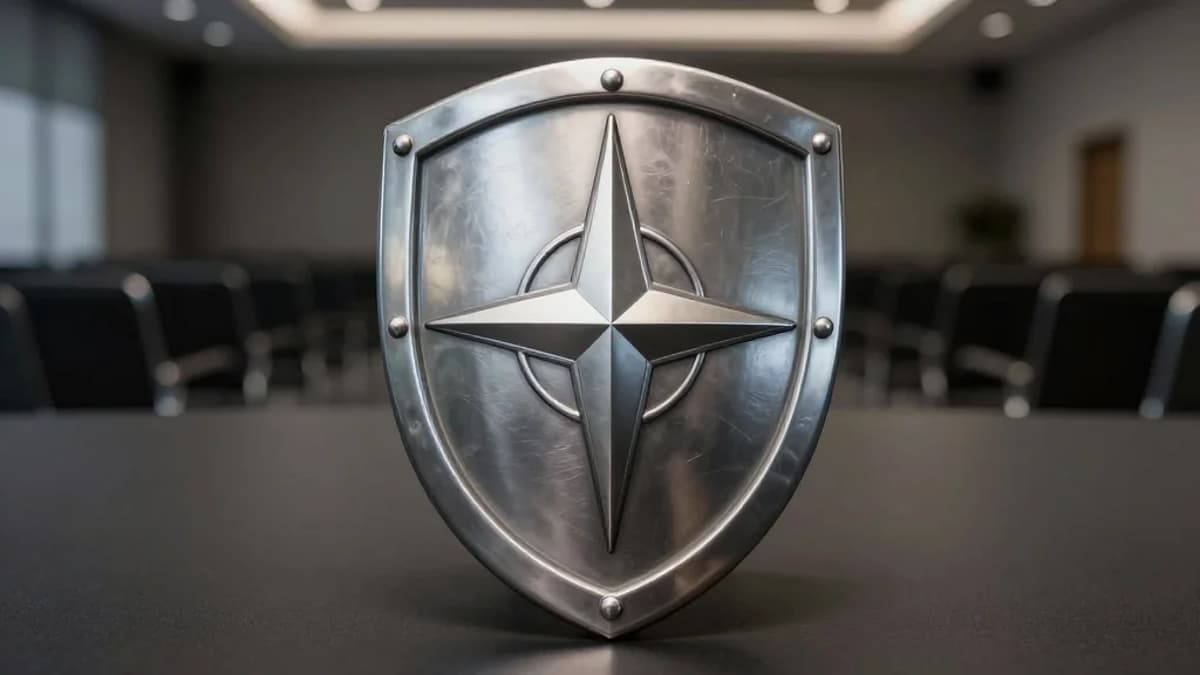
Munich Security Conference and Europe's Future
Why It Matters
The conference’s agenda reveals the strategic challenges Europe faces, influencing defense spending, diplomatic coordination, and business risk assessments. Its signals guide policymakers and investors preparing for a volatile security environment.
Key Takeaways
- •Over 115 nations attended MSC, highlighting global security focus
- •Conference yields limited concrete policy agreements
- •Discussions signal Europe's strategic priorities amid geopolitical tensions
- •Emerging focus on energy security and NATO cohesion
- •Analysts view MSC as barometer for future diplomatic agendas
Pulse Analysis
The Munich Security Conference (MSC) remains the premier gathering where heads of state, defense ministers, and industry leaders converge to map the world’s security landscape. With participation from over 115 countries, the event’s scale underscores its role as a diplomatic barometer, even if it rarely produces binding agreements. Attendees use the forum to test narratives, gauge allies’ resolve, and signal emerging priorities, making the MSC a bellwether for forthcoming policy directions across continents.
This year’s discourse placed Europe at the center of the conversation, reflecting mounting pressures from Russia’s war in Ukraine, energy supply disruptions, and the need for a unified NATO strategy. European leaders emphasized bolstering energy independence, accelerating renewable investments, and reinforcing collective defense mechanisms. The emphasis on NATO cohesion signals a shift from reactive posturing to proactive deterrence, suggesting that the alliance may pursue deeper integration of command structures and joint procurement to counter hybrid threats.
For businesses and investors, the MSC’s tone offers actionable intelligence. Anticipated increases in defense budgets across EU member states could spur growth in aerospace, cybersecurity, and dual‑use technologies. Simultaneously, heightened focus on energy security may accelerate funding for grid modernization and green hydrogen projects. By interpreting the conference’s subtle cues, market participants can align strategies with the evolving geopolitical risk matrix, positioning themselves ahead of policy roll‑outs that will shape Europe’s economic and security future.
Munich Security Conference and Europe's Future


Comments
Want to join the conversation?
Loading comments...