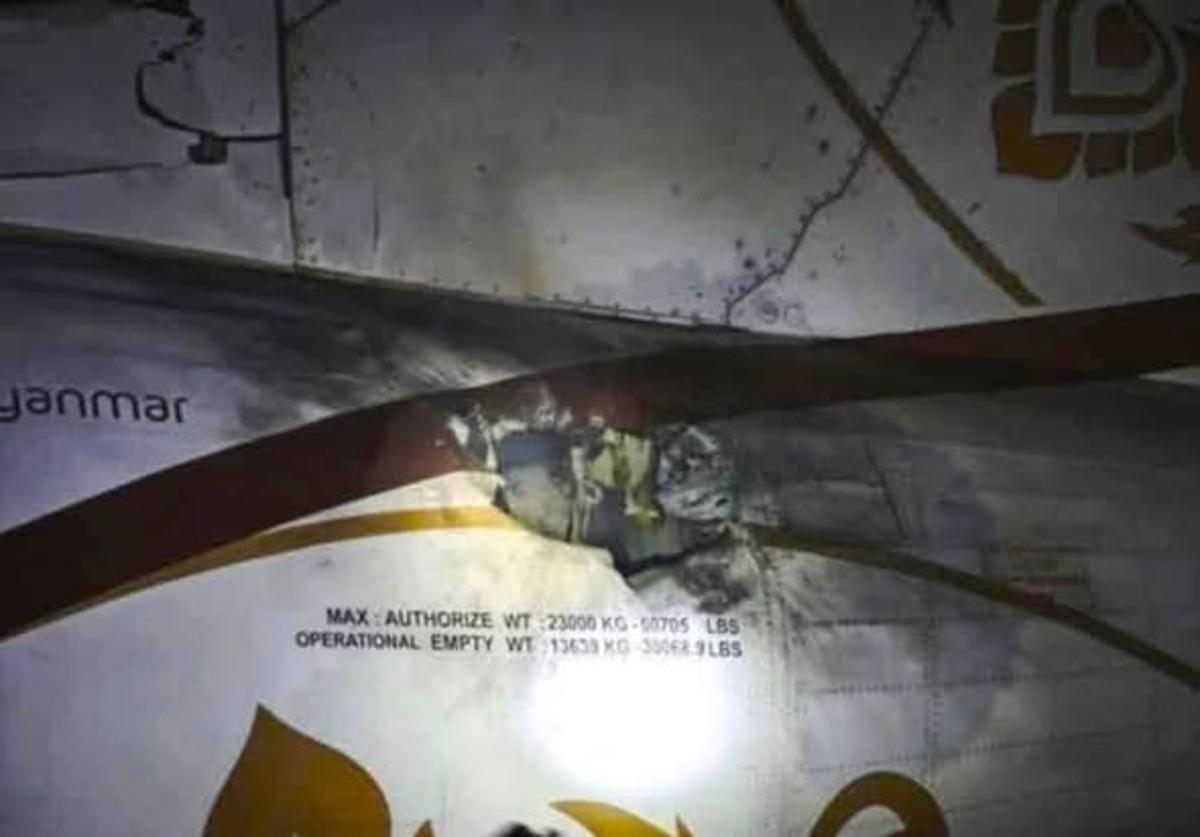
Myanmar Passenger Plane Struck in Alleged FPV Drone Attack at Myitkyina Airport
•February 21, 2026
0

Why It Matters
The strike demonstrates how inexpensive FPV drones are reshaping asymmetric conflict and threatening civilian aviation, prompting urgent security and regulatory responses.
Key Takeaways
- •FPV drone hit ATR‑72, causing minor structural damage
- •No injuries; drones defused after runway crash
- •Junta blames KIA; KIA denies involvement
- •Myanmar now second biggest drone‑war theatre worldwide
- •Rebel groups increasingly use loitering drones against air assets
Pulse Analysis
The Myitkyina airport incident marks a watershed moment in Myanmar’s evolving drone conflict. Since the 2021 coup, insurgent engineers have repurposed cheap agricultural and photography drones into loitering munitions, leveraging first‑person‑view technology for precision strikes. This grassroots air capability has matured from rudimentary 3D‑printed explosives to sophisticated FPV racing drones that can evade traditional air‑defence systems, positioning Myanmar as the world’s second‑largest arena for drone warfare after Ukraine.
For commercial airlines and regional carriers, the emergence of weaponised FPV drones introduces a new layer of risk that conventional airport security measures are ill‑prepared to address. The ability of small, low‑observable drones to breach perimeter fences and target aircraft on the ground forces operators to reconsider runway surveillance, invest in counter‑drone technologies, and reassess insurance premiums. Regulators may soon mandate mandatory detection and neutralisation systems at civilian airports, echoing similar mandates adopted in conflict‑adjacent regions.
Geopolitically, the spread of low‑cost drone expertise in Myanmar signals a broader diffusion of asymmetric airpower that could inspire other insurgencies worldwide. The parallel with Ukraine’s drone surge highlights how readily accessible technology can level the playing field against conventional militaries. As rebel groups continue to refine loitering‑munition designs, the international community faces a dilemma: balancing the suppression of illicit drone use with the preservation of civilian aviation safety and the broader implications for regional stability.
Myanmar Passenger Plane Struck in Alleged FPV Drone Attack at Myitkyina Airport
0
Comments
Want to join the conversation?
Loading comments...