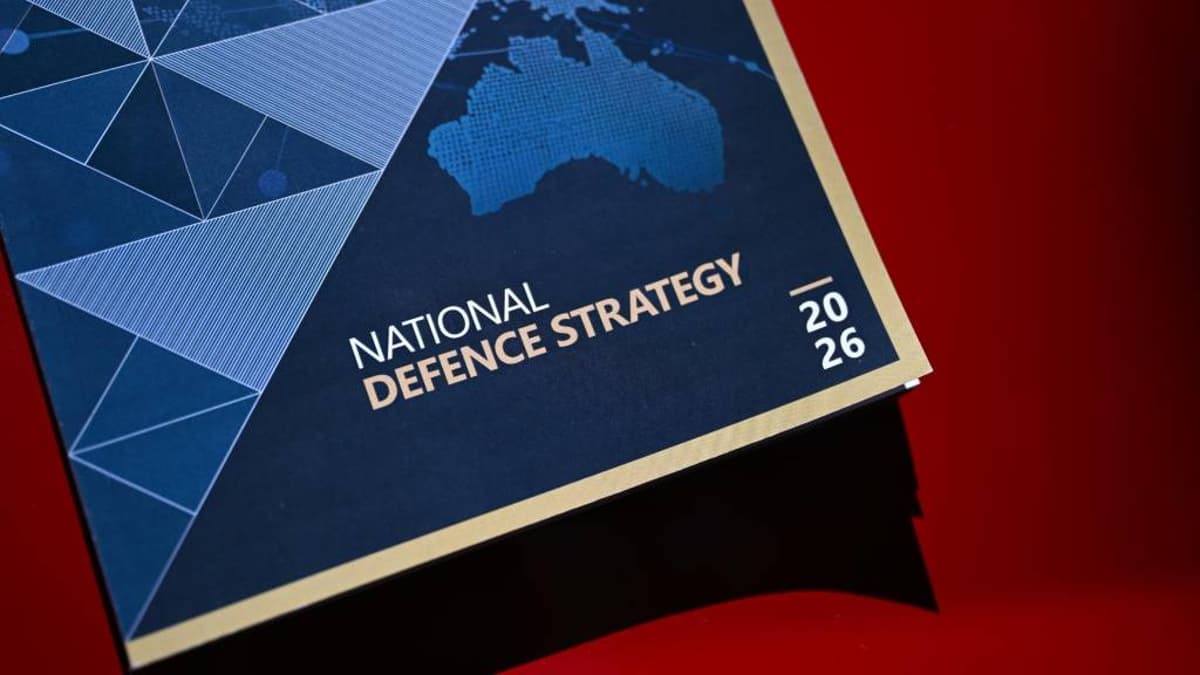
National Defence Strategy Long on Verbosity, Short on Solutions
Why It Matters
The strategy’s size and vagueness risk obscuring actionable reforms while committing taxpayers to a massive spending surge. Clear, concise policy is essential for effective defence procurement and public accountability.
Key Takeaways
- •Strategy spans 98 pages; investment program adds 114 pages
- •Both documents could be halved if jargon removed
- •Defense spending slated to rise $53 billion over ten years
- •Public likely to back funding amid global security threats
- •Length criticized as obscuring actionable solutions
Pulse Analysis
Australia’s 2026 National Defence Strategy arrives at a time when global security concerns are intensifying, from the Middle East to Eastern Europe. The government’s decision to allocate an additional $53 billion over the next decade signals a commitment to modernising capabilities, but the sheer volume of the policy documents—98 pages for the strategy and 114 for the Integrated Investment Program—has drawn sharp criticism. Analysts contend that the verbose approach masks a lack of concrete operational plans, making it difficult for legislators and industry partners to gauge priorities.
The criticism centers on the disconnect between lofty rhetoric and measurable outcomes. By filling the documents with broad‑brush statements and industry‑friendly wish lists, the defence establishment may be attempting to appease multiple stakeholders, yet this practice can dilute accountability. If the prose were trimmed to focus on specific capability gaps, procurement timelines, and performance metrics, the combined length could be cut by half, delivering a clearer roadmap for the $53 billion infusion. Such conciseness would also aid the Treasury and parliamentary committees in scrutinising cost‑effectiveness and ensuring that funds translate into tangible readiness improvements.
For taxpayers and investors, the strategy’s opacity raises concerns about value for money and strategic coherence. A streamlined, solution‑oriented document would better align defence spending with Australia’s evolving threat environment, facilitating faster acquisition cycles and more transparent oversight. As the nation navigates a complex geopolitical landscape, the ability to convert budgetary commitments into operational capability will be the true test of the strategy’s success, underscoring the need for clarity over verbosity.
National defence strategy long on verbosity, short on solutions
Comments
Want to join the conversation?
Loading comments...