NATO Eastern Deterrence Strategy Takes Shape Around ‘Autonomous Zone’
Why It Matters
An autonomous deterrence zone could force Russia to reconsider any invasion by raising the speed and cost of response, while compelling NATO allies to align policies on autonomous weapons. This shift moves NATO from a tripwire posture to real‑time, machine‑driven punishment and denial.
Key Takeaways
- •NATO tests unmanned ground vehicles in Latvia’s Crystal Arrow exercise.
- •EFDI envisions a sensor‑linked “kill zone” operating without human troops.
- •Cross‑border data backbone aims to trigger effectors across NATO nations.
- •Legal permission for autonomous weapons remains a hurdle for member states.
- •Estonia adds 290‑km Chunmoo rockets to deepen strike capability.
Pulse Analysis
The security calculus on NATO’s eastern flank is changing as the alliance pivots from traditional troop deployments to an autonomous deterrence architecture. Intelligence agencies warn that Russia could test NATO’s resolve within years of the Ukraine war’s end, prompting the Eastern Flank Deterrence Initiative to field a network of sensors, loitering munitions, drones and unmanned ground vehicles (UGVs). By creating a "kill zone" where machines detect, track and engage threats, NATO seeks to deliver a credible, day‑zero response that can neutralise incursions before they become casualties. This approach mirrors tactics already proven in Ukraine, where unmanned systems have been used to seize positions and deny enemy movement.
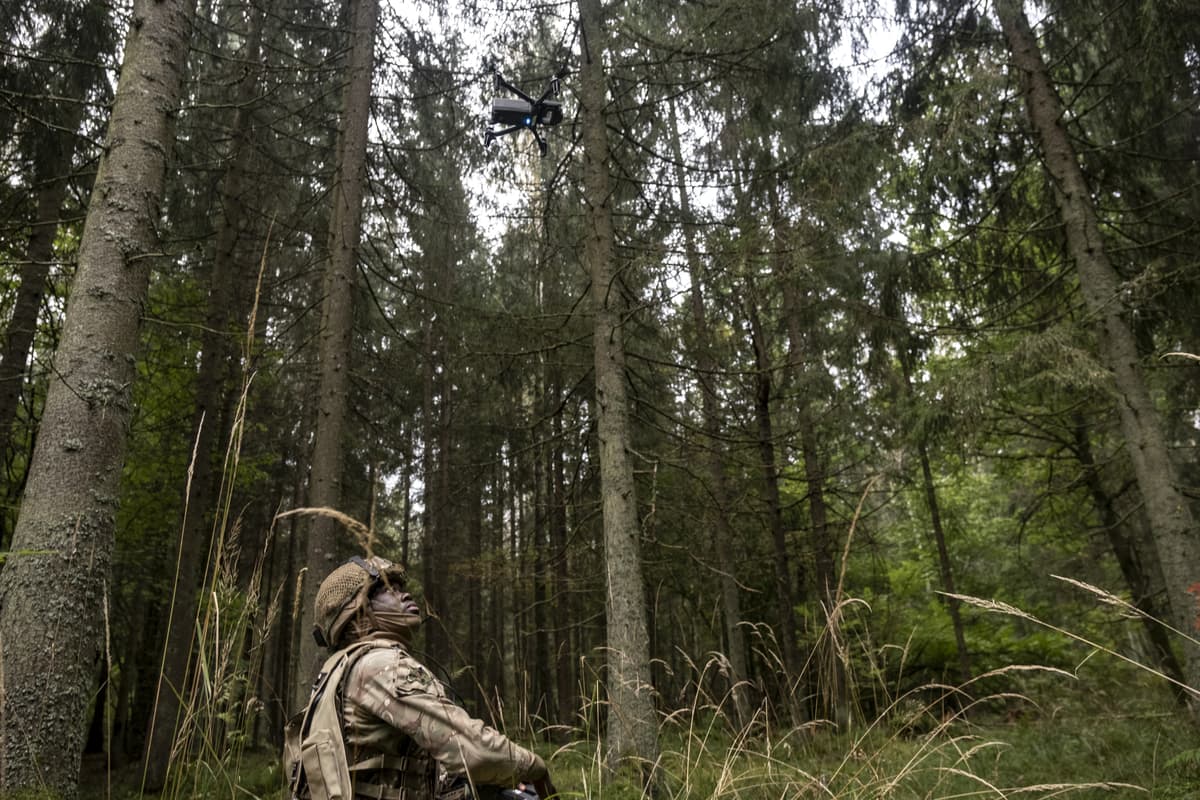
Technical integration is the linchpin of the autonomous zone. During the Crystal Arrow drill, Latvian mechanized infantry operated UGVs alongside counter‑UAS teams, while German forces tested connectivity in Lithuania and Finland under the Task Force X framework. NATO is building a data backbone that stitches together acoustic, electro‑optical and radar sensors across borders, allowing a single detection to trigger multiple effectors in neighboring states. The challenge lies in harmonising rules of engagement; member nations must agree on when autonomous platforms can fire, especially in peacetime incursions that could inadvertently spark escalation.
Strategically, the autonomous zone reshapes deterrence from a static tripwire to a dynamic, layered defense. Estonia’s acquisition of additional Chunmoo multiple‑rocket launchers, with a 290‑kilometre reach, extends the alliance’s deep‑strike capability, complementing the immediate kill‑zone response. By coupling rapid, machine‑driven punishment with physical barriers like the Baltic Defense Line, NATO aims to force any aggressor into a vulnerable echelon change. The success of this model will depend on sustained interoperability, legal consensus, and the ability to field reliable autonomous systems at scale, ultimately signaling to Moscow that an invasion would meet swift, decisive, and unmanned retaliation.
NATO eastern deterrence strategy takes shape around ‘autonomous zone’
Comments
Want to join the conversation?
Loading comments...