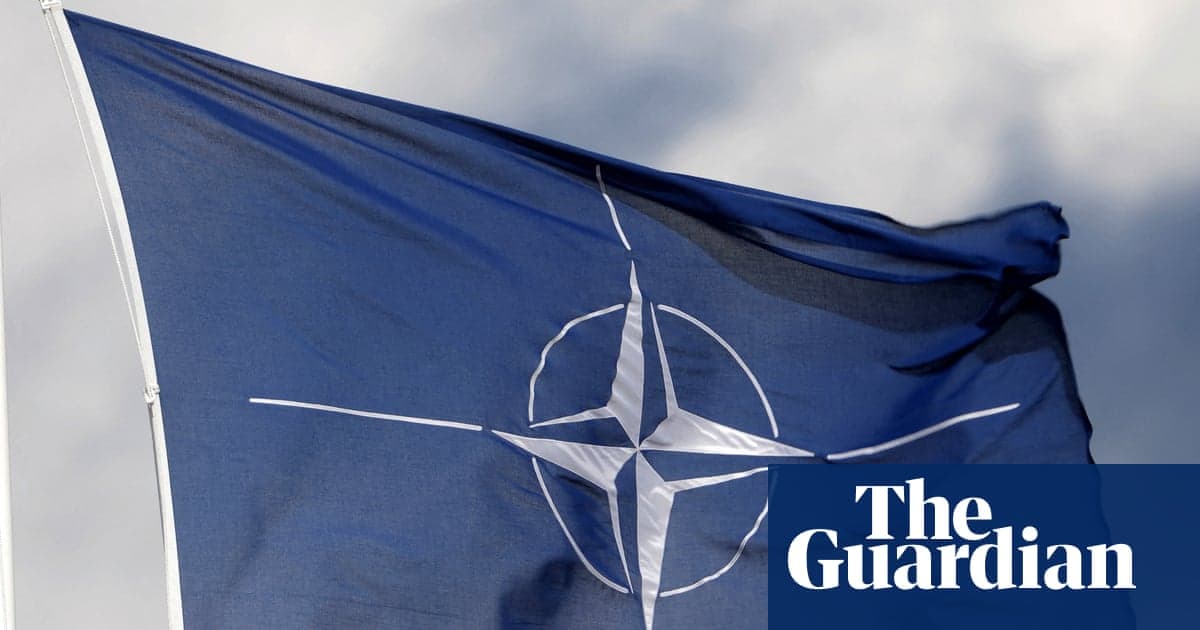
Nato Meetings with TV and Film-Makers Prompt Claims It Is Seeking ‘Propaganda’
Why It Matters
If successful, NATO’s outreach could embed pro‑alliance narratives in mainstream entertainment, influencing public perception of defence policy across Europe and the United States.
Key Takeaways
- •NATO held three closed‑door meetings with film and TV creators
- •Writers allege the sessions aim to shape pro‑NATO narratives
- •London meeting under Chatham House rule sparks backlash from UK screenwriters
- •Think‑tank report urges cultural engagement to boost defence spending support
- •2024 writer trip featured creators from “Friends” and “Law & Order”
Pulse Analysis
NATO’s recent series of intimate conversations with screenwriters, directors and producers marks a strategic pivot toward cultural influence. By inviting creators to discuss the "evolving security situation" in Europe, the alliance hopes to seed storylines that subtly convey its perspective on defence and collective security. This approach mirrors historic efforts by governments to harness Hollywood and European cinema for soft power, but the modern context adds layers of digital media, streaming platforms, and a more skeptical public that scrutinizes any perceived propaganda.
The backlash from the Writers' Guild of Great Britain and individual artists underscores a tension between artistic autonomy and institutional messaging. Critics argue that granting privileged access to classified briefings risks compromising the critical distance essential to storytelling, potentially turning nuanced narratives into overt advocacy. Moreover, the Chatham House rule—while protecting sources—creates an opaque environment where creators may internalize unchallenged viewpoints, blurring the line between informed inspiration and covert persuasion.
Beyond the immediate controversy, NATO’s outreach reflects a broader trend of security establishments courting cultural leaders to shape public discourse on defence spending and geopolitical threats. Think‑tank reports advocating for such engagement suggest that governments see cultural capital as a lever to secure funding and legitimacy. For the entertainment industry, this presents both an opportunity for fresh material and a dilemma about aligning with entities tied to conflict. As audiences become increasingly media‑savvy, the success of NATO’s narrative‑building will hinge on the authenticity of the stories that emerge, not merely on the alliance’s behind‑the‑scenes influence.
Nato meetings with TV and film-makers prompt claims it is seeking ‘propaganda’
Comments
Want to join the conversation?
Loading comments...