NATO Projects Power Near Russia's Nuclear Submarine Bases
Why It Matters
Holding the drills near Russia’s nuclear submarine bases underscores NATO’s deterrence posture and showcases collective air power, raising strategic stakes in the Baltic‑Arctic region.
Key Takeaways
- •200 aircraft from 19 NATO members participating.
- •First large‑scale air drills involving Finland and Sweden since NATO accession.
- •Exercises near Kola Peninsula target Russian nuclear submarine threat.
- •Includes F‑35, F‑16, Eurofighter, Tornado, and EF‑18 platforms.
- •Runs through June 19, emphasizing integrated air‑missile defence.
Pulse Analysis
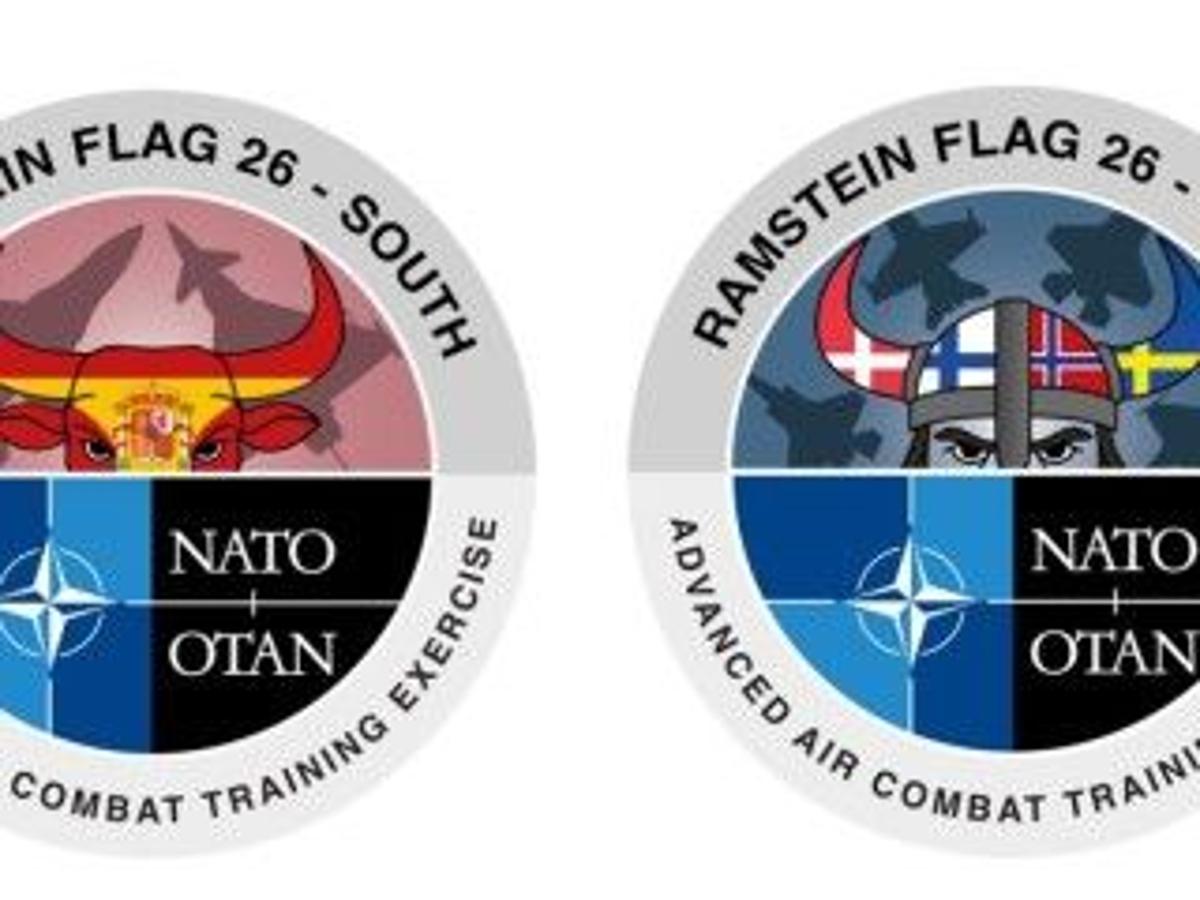
The Ramstein Flag 2026 exercise arrives at a time when NATO is recalibrating its presence in the high‑latitude theatre. By staging air operations from Ørland, Rovaniemi and other forward bases, the alliance projects power close to the Kola Peninsula, where Russia’s Northern Fleet houses ballistic‑missile submarines. This geographic proximity not only tests the interoperability of diverse aircraft fleets but also sends a clear signal that NATO can operate in contested airspace, a capability that has grown since the accession of Finland and Sweden.
Beyond the symbolic message, the drills serve a practical purpose: refining integrated air‑defence and missile‑defence tactics against sophisticated Russian systems. The inclusion of fifth‑generation platforms such as the F‑35 alongside legacy fighters like the Tornado creates a layered combat environment that mirrors potential real‑world scenarios. NATO’s emphasis on breaching enemy defenses reflects concerns over Russia’s advanced air‑defence networks, while the joint refuelling and transport assets demonstrate the logistical depth required for sustained operations in the Arctic corridor.
Analysts anticipate that Moscow will view the exercises as a provocation, potentially prompting heightened alertness of its submarine and air‑defence forces. However, the display of unity among 19 member states may deter aggressive moves by raising the cost of any miscalculation. Looking ahead, the lessons learned from Ramstein Flag 2026 are likely to inform future NATO planning, especially as the alliance seeks to balance deterrence with dialogue in a region where energy routes and security interests increasingly intersect.
NATO projects power near Russia's nuclear submarine bases
Comments
Want to join the conversation?
Loading comments...