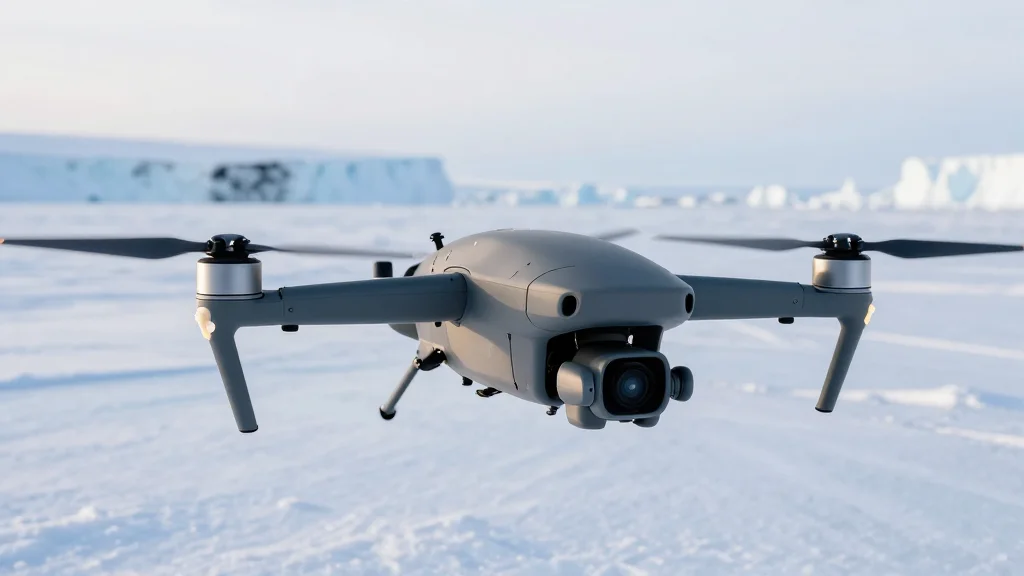
NATO Pushes for Cold‑Weather Drone Tech to Guard Arctic Frontiers

Why It Matters
Arctic security is rapidly moving from a peripheral concern to a central element of NATO’s strategic calculus. As Russia and China increase their presence in the region, the alliance risks losing situational awareness over critical sea lanes, under‑sea cables and resource sites. Affordable, cold‑weather drones could provide the persistent eyes needed to deter aggression without the expense of deploying large fleets of manned aircraft. Beyond the immediate tactical benefits, the drive for Arctic‑grade drones signals a broader shift toward autonomous, low‑cost solutions across NATO. Success in this arena could accelerate similar initiatives in other contested domains, reshaping defence procurement and reducing the alliance’s dependence on high‑cost legacy platforms.
Key Takeaways
- •NATO announced a priority to acquire inexpensive drones that can operate below –30 °C.
- •CEPA experts warned that battery drain, brittle plastics and ice buildup are major technical challenges.
- •British Defence Secretary John Healey highlighted Russian hybrid activity in the high north.
- •Analysts estimate the Arctic drone market could reach $1‑2 billion annually within five years.
- •A NATO working group will meet by Q3 2026 to set specifications and test drones in Norway.
Pulse Analysis
The NATO push for cold‑weather drones is more than a procurement drive; it reflects a strategic pivot toward distributed, resilient sensing in an environment where traditional power projection is costly and logistically complex. By focusing on low‑cost, expendable platforms, the alliance can field larger numbers of sensors, creating a dense data net that complicates adversary planning. This approach mirrors the broader defence trend of leveraging autonomy to offset manpower shortages and budget constraints.
Historically, the Arctic has been a low‑intensity theater, but the emergence of ice‑breaker fleets, under‑sea cable threats, and mineral extraction ambitions has elevated its importance. NATO’s emphasis on drones could force Russia and China to reconsider the cost‑benefit calculus of their Arctic operations, knowing that even cheap UAVs can provide persistent ISR (intelligence, surveillance, reconnaissance) coverage. The technical hurdles cited—battery performance, icing, and spare‑part scarcity—are not insurmountable; they present a clear market opportunity for firms that can deliver ruggedised solutions, potentially reshaping the defence supply chain.
Looking ahead, the success of this initiative will hinge on NATO’s ability to standardise interfaces and data protocols across member‑state platforms. Interoperability will be critical to turning a fleet of heterogeneous drones into a coherent surveillance architecture. If the alliance can achieve this, it will set a precedent for rapid, collaborative procurement that could be replicated in other contested domains such as the Indo‑Pacific, reinforcing NATO’s relevance in a multipolar world.
NATO Pushes for Cold‑Weather Drone Tech to Guard Arctic Frontiers
Comments
Want to join the conversation?
Loading comments...