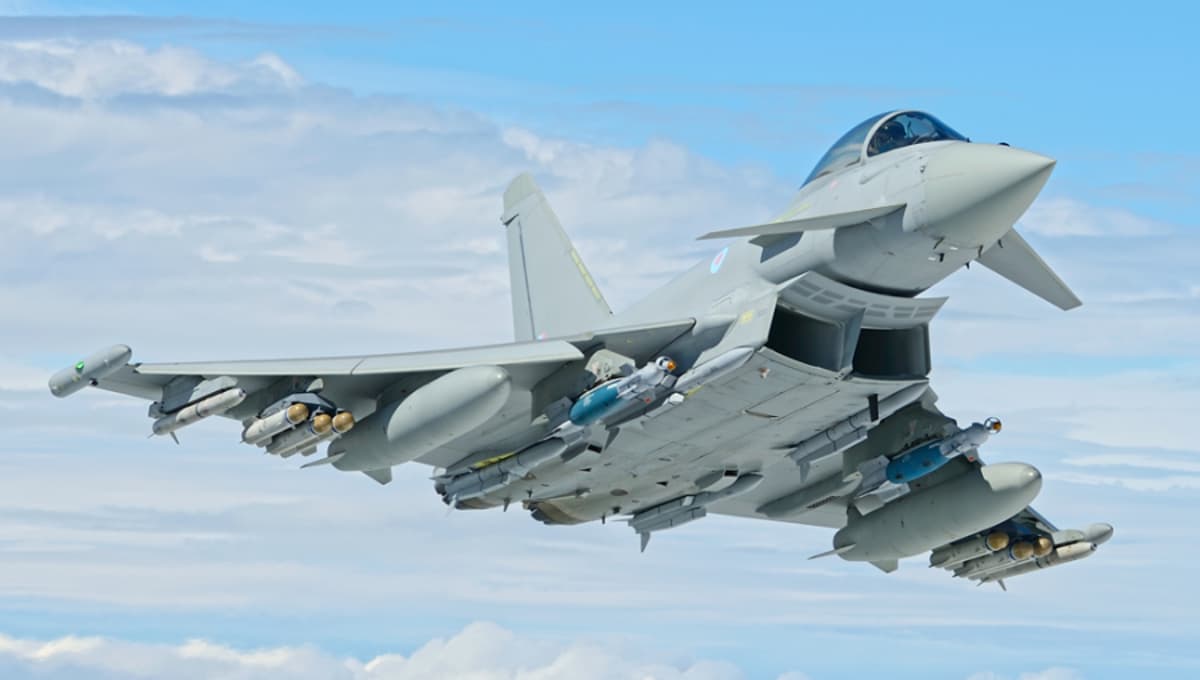
Nato Scrambles RAF Jets over Russia Drone Swarm — Then Walks Back the Engagement
Why It Matters
The incident exposes gaps in NATO’s engagement protocols, raising the risk of inadvertent escalation with Russia and prompting European allies to reassess collective defence postures.
Key Takeaways
- •RAF Typhoons scrambled from Romania but did not fire on drones
- •Russian drone swarm crashed in Galaţi, causing only property damage
- •NATO’s eastern flank rules of engagement remain ambiguous and fluid
- •Romania will field US‑made Merops AI anti‑drone system soon
- •EU pushes stronger defence pact as confidence in NATO wanes
Pulse Analysis
NATO’s air policing framework, anchored by forward‑deployed fighters in Romania and the Baltics, is designed to deter hostile incursions and reassure eastern members. The recent scramble of RAF Typhoons illustrates how quickly the alliance can mobilise, yet the lack of a clear engagement decision underscores a systemic ambiguity. While the jets maintained visual and radar contact with a Russian UAV swarm, the decision to refrain from firing—citing airspace limits—reveals the delicate balance between deterrence and escalation that NATO commanders must navigate daily.
The episode also spotlights the political friction within the alliance. Romania’s initial statement suggested a historic first—NATO forces directly engaging Russian assets over Ukraine—only to be retracted, fueling speculation about divergent national interpretations of NATO’s collective rules. As France’s President Macron questions the reliability of Article 5 and champions a Europe‑centric security architecture, member states are increasingly looking to EU mechanisms like Article 42/7 to fill perceived gaps. This shift could recalibrate the transatlantic security dynamic, especially if European nations pursue autonomous defence initiatives independent of U.S. commitments.
Looking ahead, the deployment of advanced anti‑drone systems such as the U.S.‑provided Merops AI platform signals a technological response to the growing UAV threat. Coupled with heightened investment in air‑defence missiles—Poland’s recent $1.4 billion spend—Eastern European allies are building layered protection to deter future swarms. However, without harmonised engagement protocols, each incident risks misinterpretation, potentially spiralling into broader conflict. Stakeholders therefore face a dual challenge: integrate cutting‑edge technology while establishing transparent, alliance‑wide rules that prevent accidental escalation with Russia.
Nato scrambles RAF jets over Russia drone swarm — then walks back the engagement
Comments
Want to join the conversation?
Loading comments...