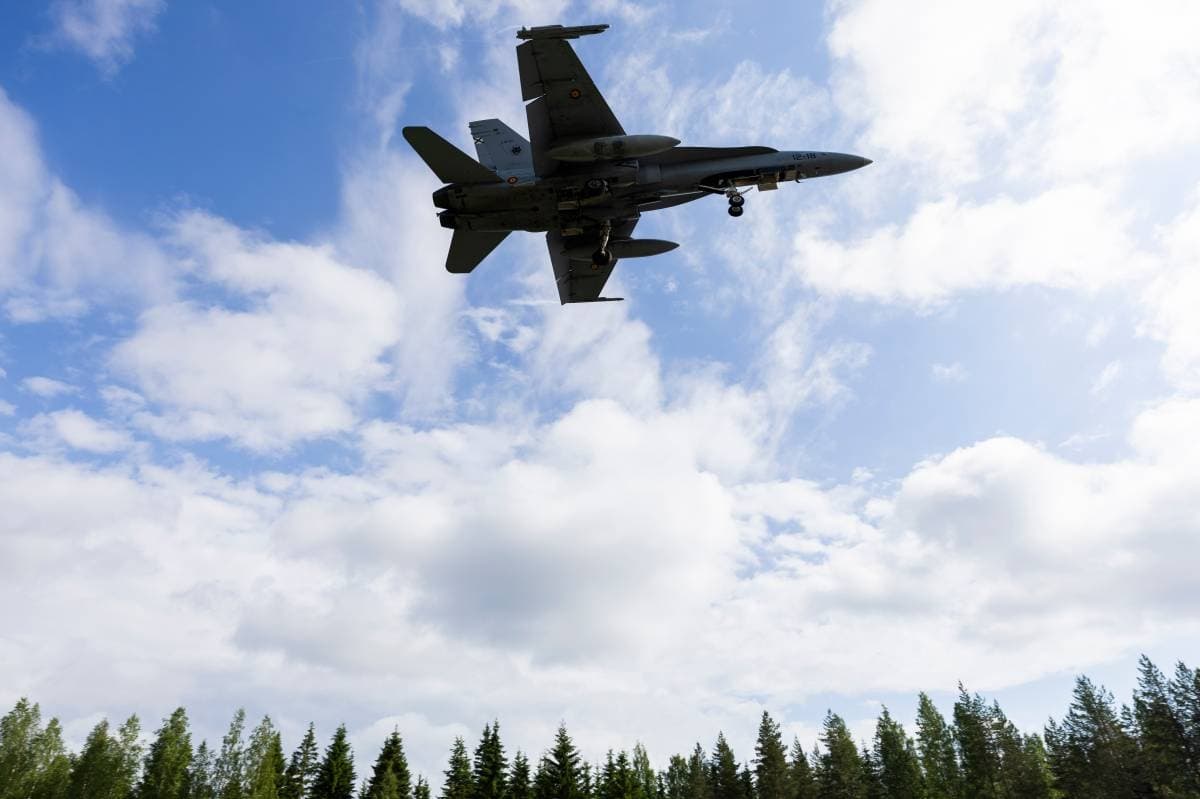
NATO Weighs Options to Defend Europe as the US Plans for Conflict Elsewhere
Why It Matters
The shift forces European allies to shoulder more defense responsibility, reshaping burden‑sharing and strategic posture across the Atlantic. It also signals a U.S. pivot toward the Indo‑Pacific, altering NATO’s collective security calculus.
Key Takeaways
- •NATO explores Plan A to mobilize member forces within six months
- •U.S. cuts aircraft carrier, refueling, and fighter support for Europe
- •Europe and Canada urged to backfill gaps with aircraft and naval assets
- •NATO reduces KFOR troops in Kosovo, citing optimization, not threat
Pulse Analysis
The United States’ decision to curtail its European force contributions marks a clear strategic pivot toward the Indo‑Pacific, where Beijing is viewed as the next great security challenge. By scaling back high‑value assets such as an aircraft carrier, its escort fleet, aerial refuelers and a fleet of fighter jets, Washington is signaling that it expects allies to assume a larger share of continental defense. This move puts pressure on NATO members to accelerate procurement of long‑range fires, drones and other rapid‑deployment capabilities, while also testing the alliance’s ability to coordinate a multi‑nation response under the Force Model’s six‑month activation timeline.
European leaders and Canada now face a dual imperative: fill the capability gaps left by the U.S. drawdown and reassure domestic constituencies that NATO remains credible against a potential Russian resurgence. The call for additional manned and unmanned aircraft, as well as naval vessels, underscores a broader trend toward greater European defense autonomy. Countries such as Germany, France and the United Kingdom have already announced increased defense spending, but the speed at which they can field these platforms will determine whether the alliance can maintain a credible deterrent posture in the near term.
Simultaneously, NATO’s decision to downsize its Kosovo Force reflects a nuanced approach to resource allocation. While the reduction is framed as an optimization rather than a response to an immediate threat, it highlights the alliance’s need to balance commitments across multiple theaters. As Russia’s war in Ukraine drags on, its capacity to open a new front in Europe remains limited, yet long‑term strategic forecasts warn of potential aggression within the next five years. The evolving burden‑sharing dynamics, combined with the U.S. focus on the Indo‑Pacific, will shape NATO’s strategic priorities and force posture for years to come.
NATO weighs options to defend Europe as the US plans for conflict elsewhere
Comments
Want to join the conversation?
Loading comments...