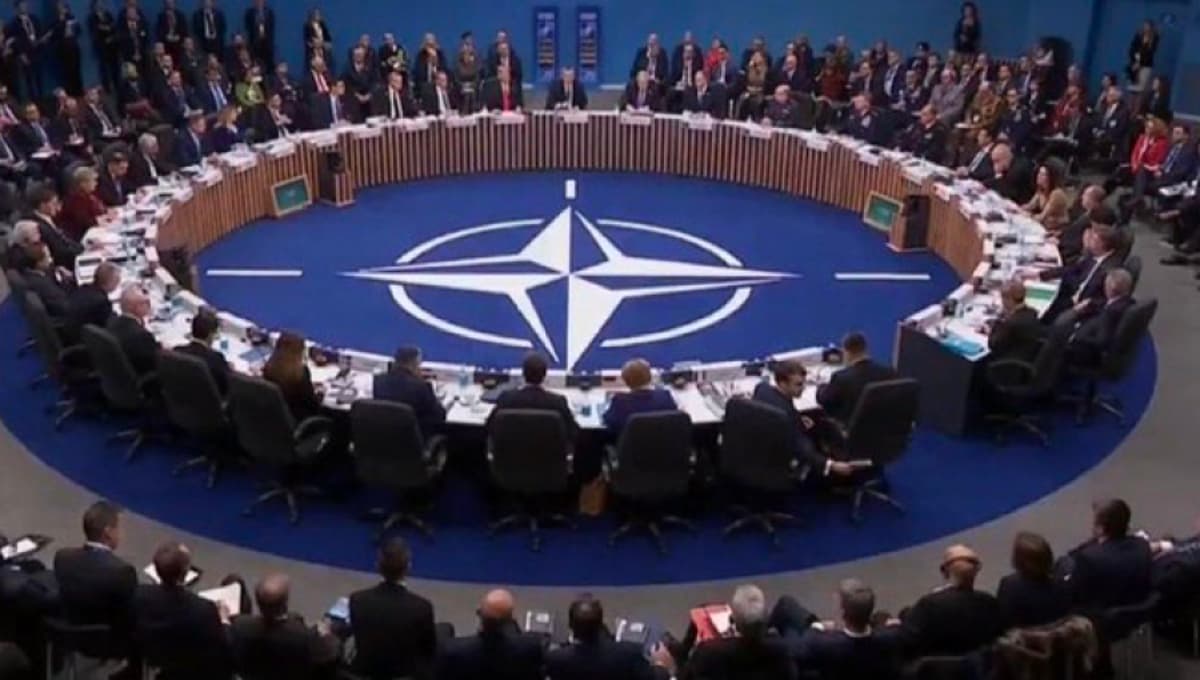
Nato Weighs Scrapping Annual Summits to Avoid Trump Confrontation
Why It Matters
If NATO reduces summit frequency, decision‑making may shift away from high‑profile political showcases toward quieter diplomatic channels, testing the alliance’s unity and its ability to deter aggression. The debate also signals a potential re‑balancing of European security responsibilities away from reliance on the United States.
Key Takeaways
- •NATO may skip 2028 summit, considering biennial meetings
- •US‑Trump tensions raise doubts about Article 5 commitment
- •Europe eyes a “Euro NATO” under EU’s Article 42/7
- •Summit format seen as diplomatic show, not decision hub
Pulse Analysis
The annual NATO summit, introduced after the 2022 Ukraine crisis, quickly became a barometer of alliance solidarity. Historically, leaders met only eight times during the Cold War, but the post‑2022 urgency turned the gathering into a yearly ritual. President Trump’s confrontational stance—demanding 5% defence spending by 2032 and threatening to walk out—has eroded the summit’s credibility, prompting senior officials to question whether the format still serves a strategic purpose or merely stages diplomatic theatre.
Beyond the optics, the discussion about scrapping the 2028 summit highlights deeper fissures over Article 5 guarantees. U.S. leaders have hinted they might condition collective defence on allied defence budgets, sowing doubt among European capitals that the United States would intervene if Russia or another adversary attacks. In response, EU members are drafting a “Euro NATO” under Article 42/7, a mutual‑defence pact that excludes the United States, signaling a shift toward a more autonomous European security architecture.
Looking ahead, NATO’s leadership faces a choice: preserve the high‑visibility summit to reassure members and deter aggression, or transition to a leaner, ministerial‑driven model that emphasizes concrete capability targets. The outcome will shape the alliance’s ability to coordinate responses to Russian aggression, Iranian provocations, and emerging threats in the Indo‑Pacific. A biennial or ad‑hoc summit schedule could reduce political friction but may also diminish the symbolic unity that has long underpinned NATO’s deterrence posture.
Nato weighs scrapping annual summits to avoid Trump confrontation
Comments
Want to join the conversation?
Loading comments...