Natural Partnership: Poland and the Nordic Countries
Companies Mentioned
Why It Matters
The alliance boosts European competitiveness by pairing Nordic innovation with Polish scale, while enhancing collective security against regional threats. It also creates a reliable near‑shoring hub that can offset supply‑chain risks and drive sustainable growth.
Key Takeaways
- •Poland offers a 38 million‑person market to scale Nordic innovations
- •Shared security concerns drive joint defence and cyber‑resilience projects
- •Nordic healthcare models provide cost‑effective templates for Polish reforms
- •Nearshoring trends position Poland as EU manufacturing hub for Nordic firms
- •Cultural and tourism links strengthen soft‑power and business networks
Pulse Analysis
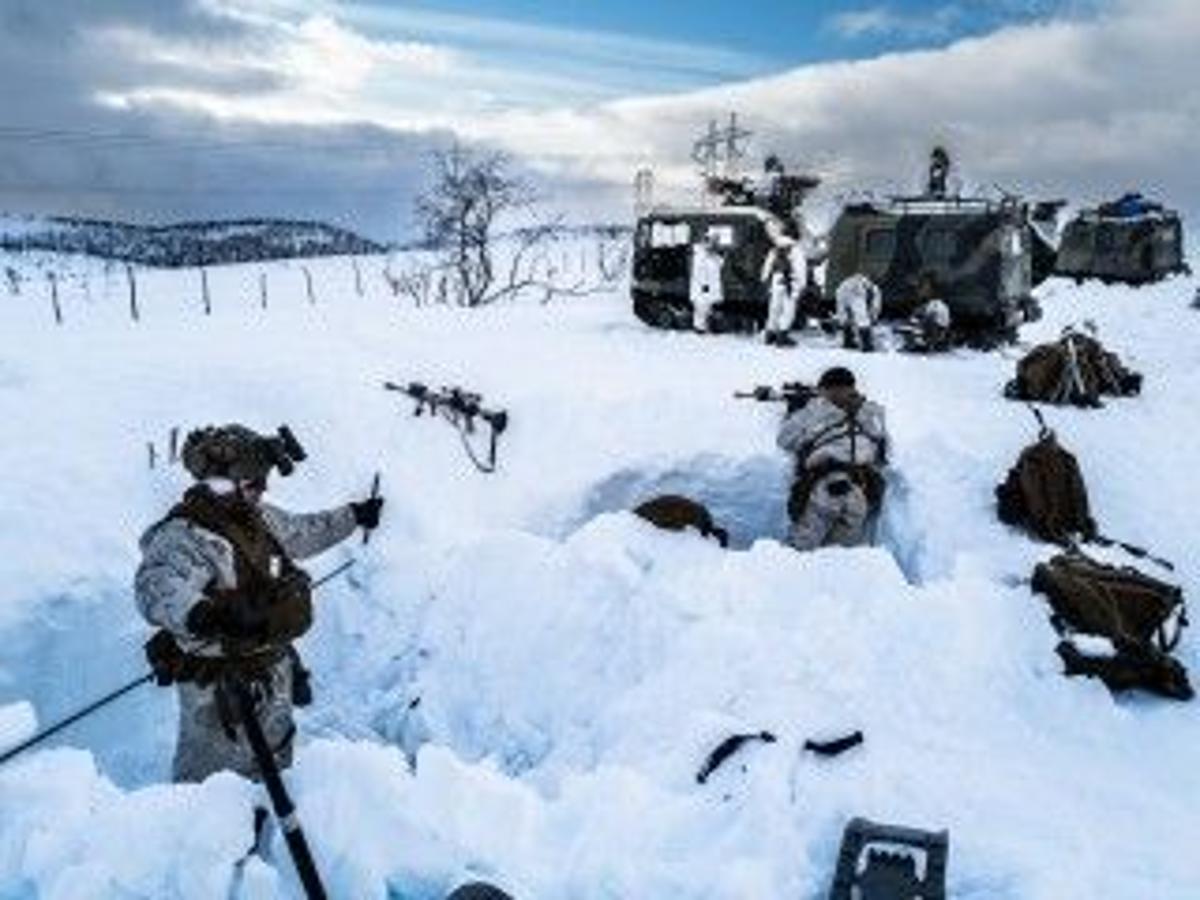
The Baltic corridor is emerging as a strategic axis for Europe’s next wave of growth. With Russia’s war in Ukraine reshaping security calculations, Poland and the Nordic states find common cause in bolstering defence capabilities and cyber‑resilience. Warsaw’s proximity to both Germany and the Nordics gives it a unique diplomatic bridge, allowing coordinated policy responses within NATO and the EU. By aligning their security postures, the partners can pool resources for joint procurement, intelligence sharing, and the development of a regional cyber‑defence force that protects critical infrastructure and commercial technology.
Economic complementarity drives the partnership’s depth. Nordic economies, though highly innovative, are limited by small domestic markets—roughly 28 million people—while Poland’s 38 million‑strong consumer base and robust logistics network provide the scale needed for mass production and distribution. This synergy fuels near‑shoring initiatives, as firms relocate manufacturing from Asia to the EU to meet ESG standards and reduce geopolitical risk. In finance, Nordic expertise in regulation and anti‑money‑laundering measures meets Poland’s burgeoning fintech ecosystem, opening avenues for green bond issuance and cross‑border digital payment standards. Healthcare and education also benefit, with Polish policymakers eyeing Nordic cost‑control models and research‑driven university collaborations.
The broader implications extend beyond bilateral trade. A cohesive Poland‑Nordic bloc can shape EU policy on climate, digitalization, and social welfare, leveraging Nordic soft power and Poland’s strong trans‑Atlantic ties. Cultural exchanges—spanning music, film, and gaming—reinforce people‑to‑people connections that underpin business confidence. As tourism flows increase and transport links improve, the region’s integrated market becomes more attractive to global investors. In sum, the partnership offers a template for regional cooperation that blends innovation, scale, and security, positioning Central and Northern Europe as a resilient engine for future growth.
Natural partnership: Poland and the Nordic countries
Comments
Want to join the conversation?
Loading comments...