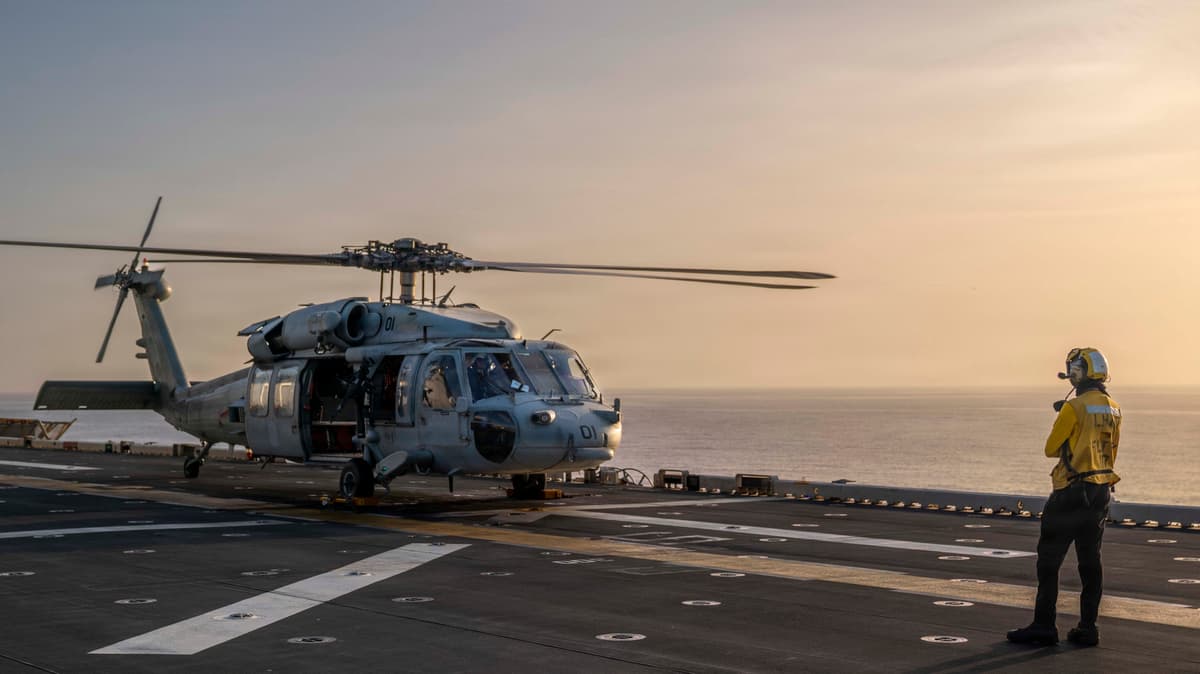
Naval Aviators Will No Longer Command Amphibious Warships, CNO Says
Why It Matters
Shifting command to surface warfare officers targets the root causes of low amphibious ship readiness, a capability essential for projecting Marine Expeditionary Units worldwide. The move also reshapes career pathways, emphasizing expertise‑driven leadership across the Navy’s surface fleet.
Key Takeaways
- •SWOs will command all amphibious assault, transport, and landing ships by 2028
- •Amphibious ship readiness dropped to 41%, far below 80% target
- •Two‑year expertise gap cited; SWOs provide longer, stable command tours
- •Aviators keep carrier, submarine tender, and expeditionary sea base commands
- •Half of 32‑ship fleet classified as substandard, prompting reforms
Pulse Analysis
The amphibious fleet’s readiness crisis has become a focal point for senior Navy leadership. A 2024 GAO report flagged that half of the 32‑ship amphibious inventory is in substandard condition, and recent data shows only 41% of vessels are mission‑ready—far short of the 80% level the Marine Corps deems necessary for deploying Marine Expeditionary Units. These shortfalls have forced the Navy to scrutinize its command structure, concluding that the current mix of surface warfare officers (SWOs) and naval aviators does not fully exploit the technical expertise required to maintain complex amphibious platforms.
In response, the CNO’s April 24 directive mandates that, beginning FY2028, only SWOs may command America‑class, Wasp‑class, San‑Antonio‑class, Harpers Ferry‑class, and Whidbey Island‑class ships. The policy rests on the premise that SWOs spend at least two years mastering the nuanced operational and maintenance procedures of amphibious vessels, enabling them to stay in command longer and drive sustained performance improvements. By consolidating command under officers whose career tracks are built around ship systems, the Navy expects to reduce turnover, enhance accountability, and ultimately raise the fleet’s availability metrics.
For the broader defense enterprise, the shift signals a strategic prioritization of readiness over traditional career rotations. Marine Corps leaders, including Commandant Gen. Eric Smith, have repeatedly warned that inadequate amphibious capability hampers joint force projection. Aligning ship command with surface‑warfare expertise not only addresses immediate maintenance gaps but also strengthens the pipeline for future senior leaders who understand both maritime operations and joint expeditionary demands. As the Navy continues to invest in new hulls and service‑life extensions, this leadership realignment could prove pivotal in restoring confidence in the amphibious warfighting edge.
Naval aviators will no longer command amphibious warships, CNO says
Comments
Want to join the conversation?
Loading comments...