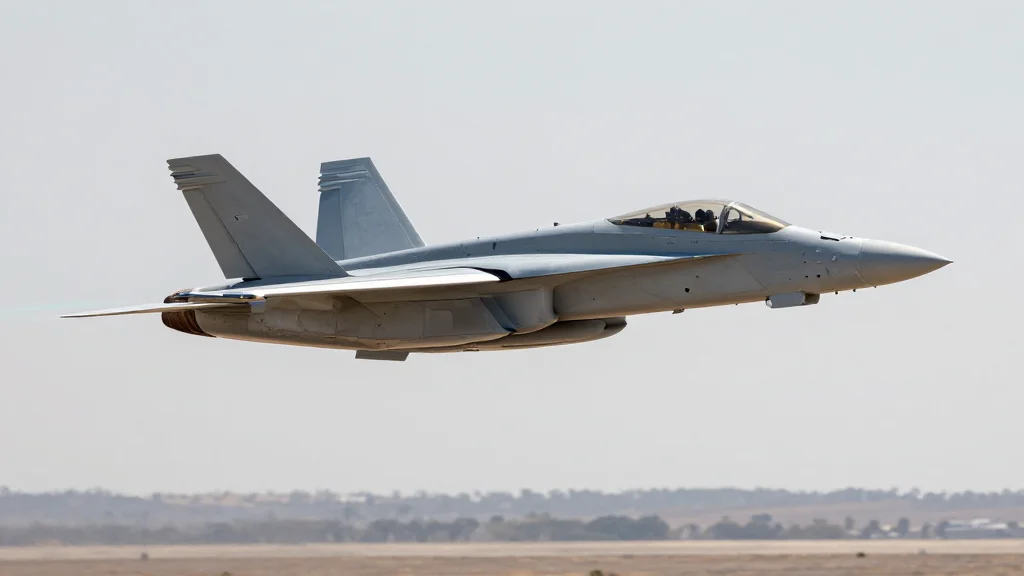
Navy EA-18Gs Over Iran, Venezuela Show Rise in Aerial Electronic Attack
Why It Matters
Increased Growler activity demonstrates the Navy’s commitment to dominate the electromagnetic spectrum, a critical advantage in modern conflicts. It signals to adversaries that the U.S. can project electronic power far beyond traditional combat zones.
Key Takeaways
- •EA-18G Growlers flew missions over Iran and Venezuela this year
- •Deployments signal expanding US electronic attack footprint in contested regions
- •Operations Epic Fury and Absolute Resolve test new jamming tactics
- •Growler sorties increase demand for next‑gen EW avionics
- •Navy plans to double Growler fleet by 2030
Pulse Analysis
The recent EA-18G Growler flights over Iran and Venezuela mark a clear shift in how the U.S. Navy employs electronic warfare. Historically confined to carrier strike groups, the Growler is now being used in stand‑alone missions that target hostile radar and communications networks. By integrating the aircraft into Operation Epic Fury against Iran’s air defenses and Operation Absolute Resolve over Venezuela, the Navy is testing advanced jamming pods and signal‑intelligence suites that can degrade sophisticated surface‑to‑air systems in real time.
Strategically, these deployments underscore the growing importance of the electromagnetic spectrum as a contested domain. Adversaries in the Middle East and Latin America have invested heavily in integrated air‑defense networks, prompting the U.S. to prioritize EW capabilities that can neutralize threats before kinetic engagement. The Growler’s ability to suppress enemy radars, disrupt data links, and protect friendly assets enhances deterrence and offers commanders a non‑kinetic option to shape the battlefield. This approach also reduces the risk of escalation, as electronic attacks can be calibrated and reversed more easily than conventional strikes.
Looking ahead, the Navy’s plan to double its Growler fleet by 2030 reflects a broader modernization effort. New air‑frame upgrades, software‑defined radios, and AI‑driven threat analysis are expected to boost sortie rates and mission flexibility. Industry partners are racing to deliver next‑generation jamming modules that can counter hypersonic and drone swarms, ensuring the Growler remains relevant against emerging threats. As budget allocations prioritize EW, the Growler’s expanded role will likely influence carrier air wing composition and joint force planning for years to come.
Navy EA-18Gs Over Iran, Venezuela Show Rise in Aerial Electronic Attack
Comments
Want to join the conversation?
Loading comments...