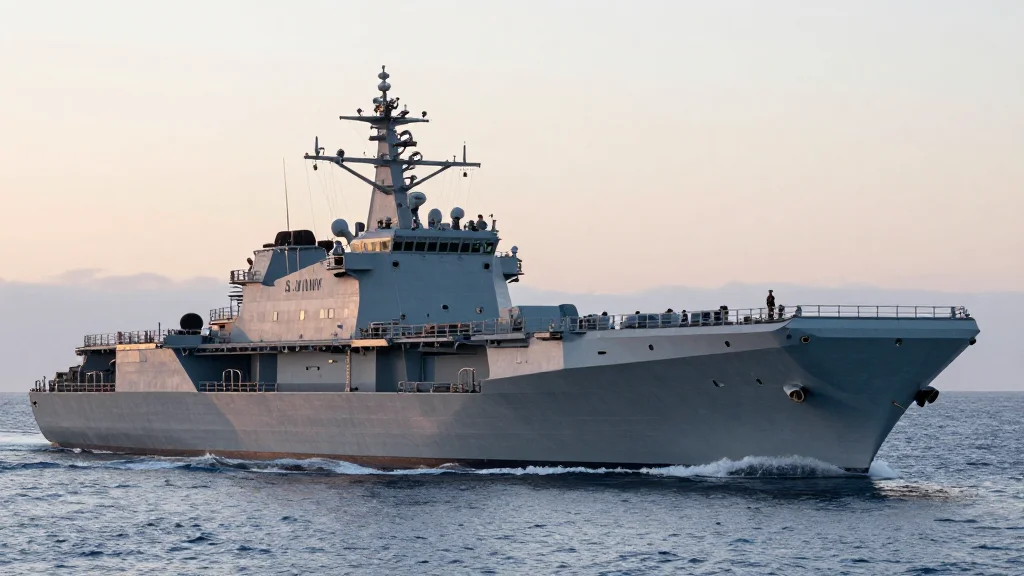
Navy, Marine Corps Weighing Force Generation Model Revamp for Amphibs
Why It Matters
A longer force‑generation cycle could increase amphibious readiness, enabling the U.S. to sustain more frequent deployments without compromising ship upkeep, directly impacting power‑projection capabilities in contested regions.
Key Takeaways
- •Current OFRP cycles last 36 months, limiting deployment frequency
- •Proposed model would allow two deployments per ship/MEU
- •Longer cycles aim to balance maintenance with operational tempo
- •Revamp seeks to address readiness shortfalls in the Pacific
- •Potential shift may affect budgeting for ship repairs and crew training
Pulse Analysis
The Optimized Fleet Response Plan, introduced in 2014, set a 36‑month rhythm for maintenance, training and deployment of amphibious ships and their Marine Expeditionary Units. While the framework improved predictability, critics argue it now constrains the Navy’s ability to field two successive deployments, especially as geopolitical pressure mounts in the Indo‑Pacific. Extending the cycle to a 48‑month or longer cadence would create a buffer, allowing vessels like the Wasp‑class amphibious assault ships to complete a full deployment, undergo comprehensive maintenance, and then re‑enter the operational pool for a second sortie without sacrificing readiness standards.
Strategically, a revamped force‑generation model could enhance the United States’ surge capacity. With China’s naval modernization and regional flashpoints such as the South China Sea, the ability to field two ready amphibious groups simultaneously would provide commanders with greater flexibility for deterrence and crisis response. Moreover, Marine Corps units attached to these groups would benefit from more predictable training windows, improving combat readiness and interoperability with joint and allied forces.
However, the shift carries fiscal and personnel implications. Extending maintenance windows may increase short‑term costs for shipyards and require adjustments in crew rotation schedules to avoid fatigue. Budget planners will need to reconcile these expenses against broader defense priorities, while Congress will scrutinize any additional funding requests. If implemented, the new model could set a precedent for other services seeking to balance high‑tempo operations with sustainable asset management, reshaping how the U.S. projects power from the sea.
Navy, Marine Corps Weighing Force Generation Model Revamp for Amphibs
Comments
Want to join the conversation?
Loading comments...