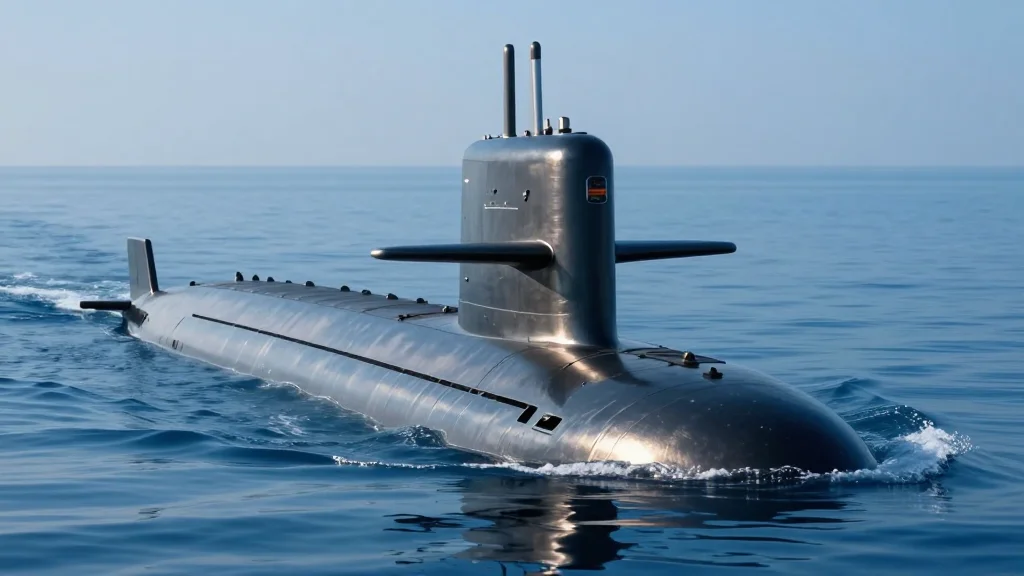
Navy Releases List of Ships It Plans To Inactivate This Year
Why It Matters
Retiring these legacy submarines reduces maintenance costs while accelerating the transition to next‑generation undersea assets, directly affecting the Navy’s operational budget and industrial base.
Key Takeaways
- •USS Newport News, USS Alexandria, USS Georgia slated for recycling
- •Inactivations support Navy’s shift to newer submarine classes
- •Retirement cuts lifecycle costs for aging platforms
- •Shipyard workload will increase with recycling projects
Pulse Analysis
The Navy’s latest inactivation roster reflects a routine but strategically significant phase of fleet management. Each year, the service evaluates hulls that have exceeded their design life or no longer meet mission requirements. By earmarking the Los Angeles‑class attack submarines Newport News and Alexandria, along with the Ohio‑class guided‑missile boat Georgia, the Navy signals a clear intent to streamline its undersea force. These vessels, commissioned in the 1980s and 1990s, have accumulated extensive operational hours, making their continued upkeep increasingly expensive compared with newer platforms.
Strategically, the retirements free up tonnage for the Columbia‑class ballistic‑missile submarines and the forthcoming Virginia‑class Block 5 attack boats, which boast advanced stealth, sensor, and weapons capabilities. Removing older hulls also reduces the logistical footprint of legacy systems, allowing the fleet to concentrate training, maintenance, and crew expertise on cutting‑edge technology. This transition bolsters the Navy’s ability to counter near‑peer threats in contested maritime domains, where undersea superiority is a decisive factor.
From a budgetary perspective, recycling three submarines will generate modest salvage revenue while curbing the high sustainment costs associated with aging vessels. The shipyard sector, particularly facilities under the Naval Sea Systems Command, will see a temporary surge in workload as they dismantle and recycle the hulls, sustaining skilled labor and supply chains. Simultaneously, the freed funds are earmarked for the next wave of shipbuilding contracts, reinforcing the industrial base that underpins America’s maritime dominance.
Navy Releases List of Ships It Plans To Inactivate This Year
Comments
Want to join the conversation?
Loading comments...