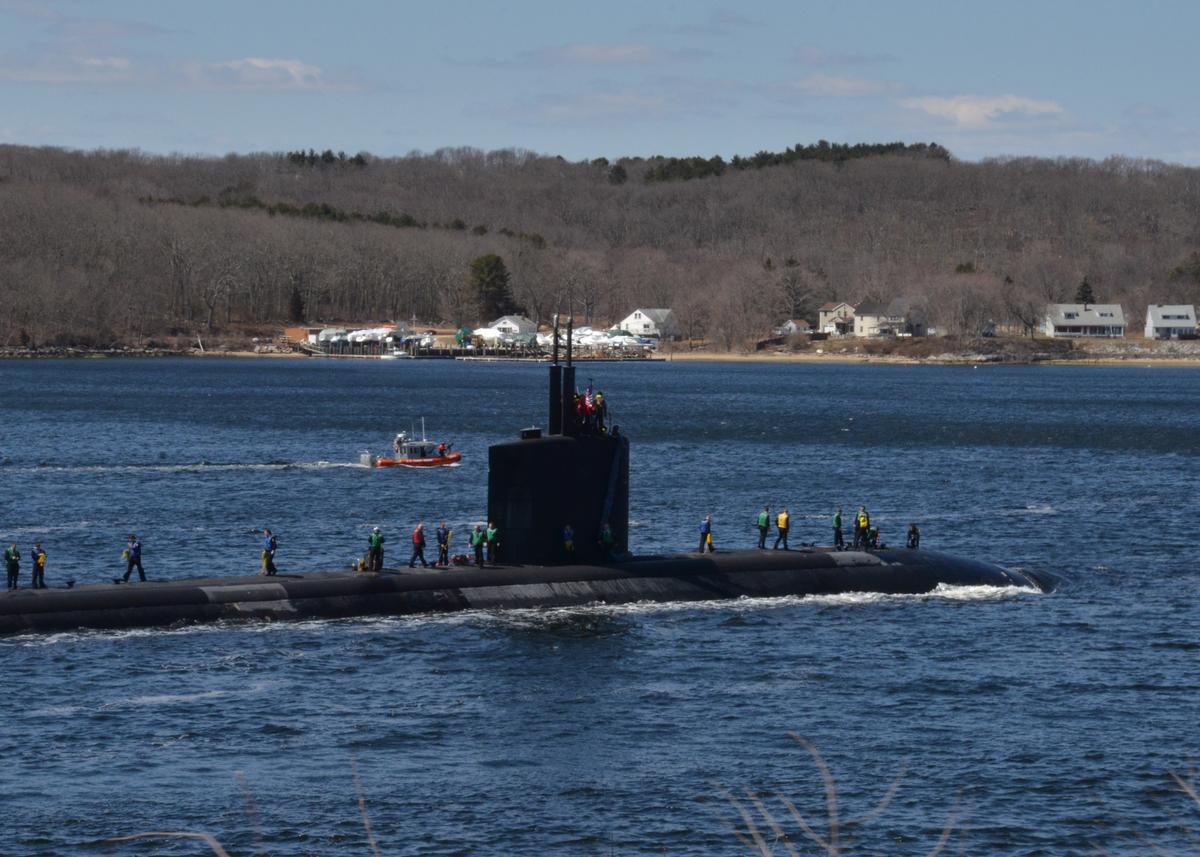
Navy Releases List of Ships It Plans to Inactivate This Year
Why It Matters
Removing legacy platforms frees budget for next‑generation warships and reduces maintenance overhead, strengthening the Navy’s long‑term combat readiness. The retirements also clear the way for newer, more capable vessels to meet evolving maritime threats.
Key Takeaways
- •Navy will inactivate 14 vessels in FY2026
- •Los Angeles‑class subs phased out for Virginia‑class replacements
- •Ticonderoga cruisers slated for retirement by FY2027
- •Freedom‑class LCS USS Fort Worth to be dismantled amid reliability issues
- •Support ships transferred to Maritime Administration for disposal
Pulse Analysis
The Navy’s FY2026 inactivation schedule marks a decisive shift toward a leaner, more technologically advanced fleet. By retiring 14 vessels—ranging from legacy submarines to aging cruisers—the service is shedding platforms that have exceeded their design life and are increasingly costly to maintain. The move aligns with the Department of Defense’s broader push to prioritize high‑payoff assets, such as the Virginia‑class attack submarines that offer superior stealth, endurance, and payload flexibility compared with the 40‑year‑old Los Angeles class.
Submarine modernization is a centerpiece of the plan. The two Los Angeles‑class boats slated for recycling, alongside the Ohio‑class USS Georgia, will make room for additional Virginia‑class hulls that are already in production. This transition not only enhances undersea warfare capabilities but also reduces lifecycle expenses, as newer subs benefit from modular designs and reduced manning requirements. Meanwhile, the dismantling of the Freedom‑class LCS USS Fort Worth underscores persistent challenges with the littoral combat ship program, where mechanical failures and soaring upkeep have eroded confidence in its cost‑effectiveness.
Beyond the vessels themselves, the retirements have budgetary and industrial implications. Transferring support ships to the U.S. Maritime Administration frees dockyard capacity for new construction, while the planned retirement of the remaining Ticonderoga cruisers by FY2027 clears the path for the next‑generation destroyer fleet equipped with advanced missile and directed‑energy systems. Collectively, these actions signal a strategic reallocation of resources toward platforms that can better address peer‑level threats in contested maritime environments.
Navy releases list of ships it plans to inactivate this year
Comments
Want to join the conversation?
Loading comments...