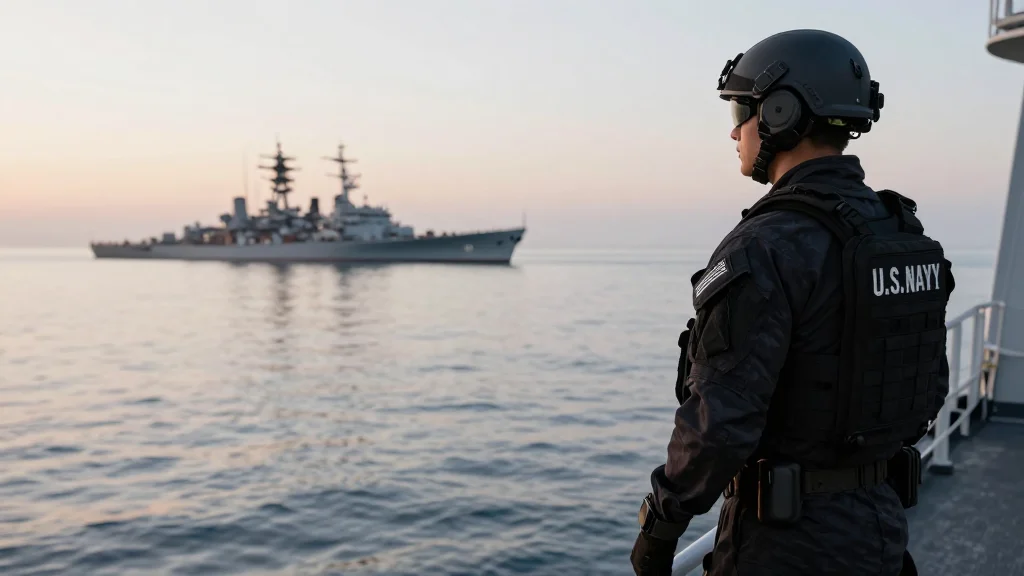
Navy SEALs Escort FBI Director Kash Patel for VIP Snorkel at USS Arizona, Sparking Defense Outcry

Why It Matters
The incident highlights a clash between tradition, public perception, and the modern demands placed on the U.S. military. By allowing a high‑profile official to swim near a war grave with SEAL escort, the Navy risked undermining the reverence owed to the USS Arizona and the families of the 1,100 sailors who perished there. The controversy also exposes potential gaps in oversight of elite forces, raising concerns that privileged access could erode the principle that military assets serve national security, not personal convenience. If left unchecked, such precedents could strain civil‑military relations and fuel calls for stricter accountability. Beyond the symbolic damage, the episode may influence future policy on the deployment of special‑operations units for non‑combat tasks. A tightening of guidelines could affect how the Pentagon allocates SEALs for humanitarian missions, training exercises, and diplomatic engagements, ensuring that their unique capabilities remain focused on core defense objectives.
Key Takeaways
- •Navy SEALs escorted FBI Director Kash Patel for a 30‑minute snorkel near the USS Arizona wreck.
- •The event was revealed through a Defense Department email obtained by the Associated Press.
- •Retired Navy captain Jon Duffy called the accommodation "inexcusable" and urged a simple "No, sir" response.
- •Critics argue the use of elite forces for a private recreation breaches military protocol and wastes scarce resources.
- •Congressional and DOD officials may review and tighten guidelines on non‑combat use of special‑operations personnel.
Pulse Analysis
The "VIP snorkel" controversy is a textbook case of how a single, high‑visibility incident can ripple through defense policy and public trust. Historically, the U.S. military has guarded the sanctity of war graves, from the Normandy beaches to the USS Arizona, treating them as inviolable symbols of sacrifice. By allowing a senior civilian official to enjoy a leisure swim with SEAL escort, the Navy inadvertently blurred the line between ceremonial hospitality and the exploitation of elite assets for personal benefit. This misstep arrives at a moment when the Pentagon is under pressure to justify every dollar and every deployment of its most capable units.
From a strategic perspective, the episode may catalyze a reassessment of how the Department of Defense authorizes non‑operational use of special‑operations forces. While SEALs have historically supported diplomatic outreach—such as joint training with allied forces or humanitarian assistance—their involvement in a private snorkel is an outlier that could trigger stricter oversight mechanisms. Future directives are likely to codify a clearer chain‑of‑command approval process, possibly requiring explicit congressional notification for any non‑combat use of elite troops.
Politically, the incident feeds into a broader narrative of perceived elite privilege and the militarization of civilian experiences. Lawmakers from both parties have expressed concern that the military is becoming a concierge service for the well‑connected, eroding the principle that public resources serve the nation, not individuals. If the Navy does not act decisively—by issuing a formal apology, reviewing internal protocols, and perhaps instituting penalties for unauthorized requests—it risks further erosion of confidence among service members and the public alike. The long‑term impact will hinge on whether this controversy becomes a catalyst for reform or a footnote in the ongoing debate over military professionalism and accountability.
Navy SEALs Escort FBI Director Kash Patel for VIP Snorkel at USS Arizona, Sparking Defense Outcry
Comments
Want to join the conversation?
Loading comments...