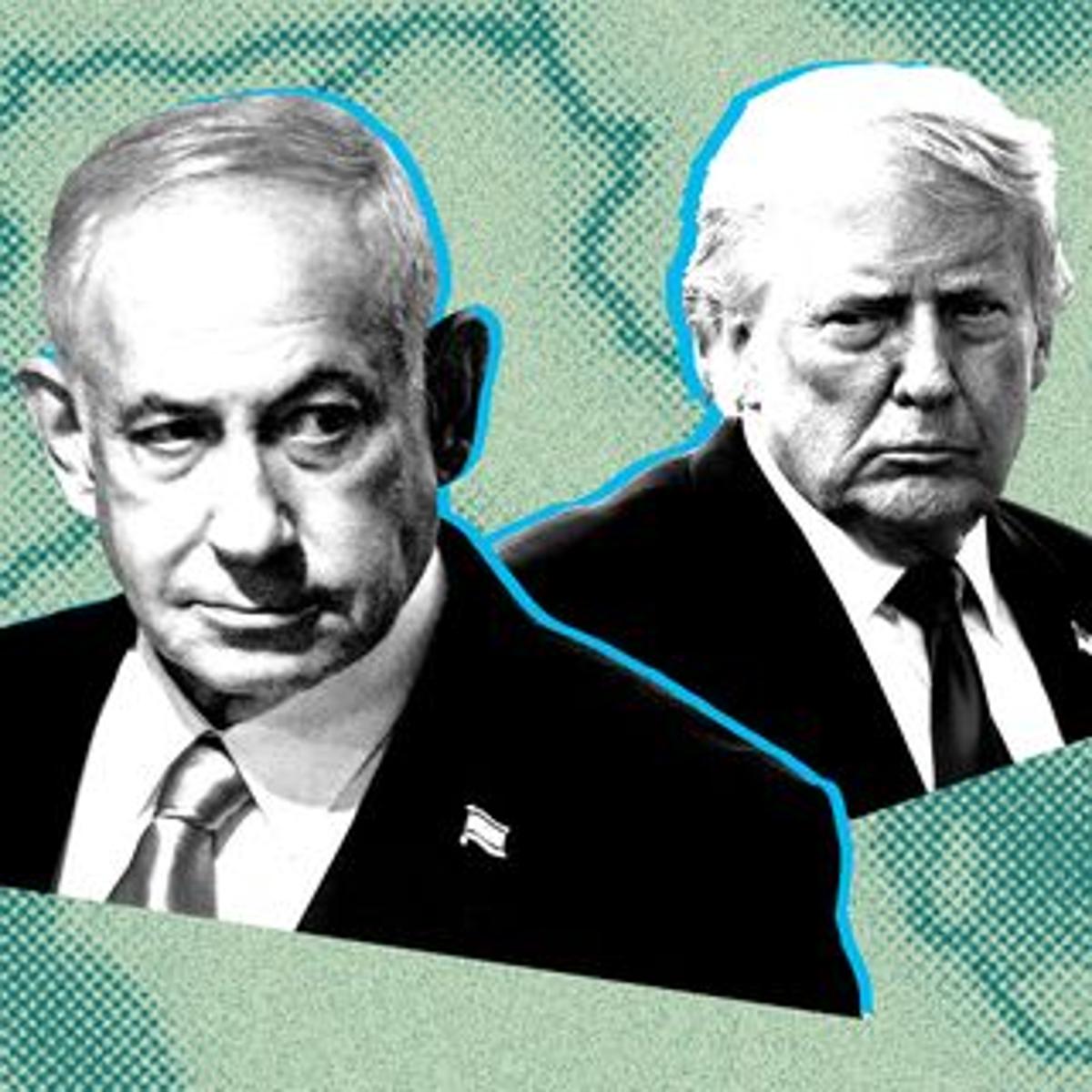
Netanyahu Squeezed Between Trump and Election Year Politics
Why It Matters
The clash reveals cracks in the U.S.–Israel strategic partnership, threatening Israel’s operational freedom and Netanyahu’s electoral prospects as regional tensions rise.
Key Takeaways
- •Trump halted Netanyahu's planned strikes on Beirut, citing Iran negotiations
- •Netanyahu faces domestic pressure as election looms and Hamas war stalls
- •U.S.-Israel alignment on Iran is fraying; Trump seeks war end, Netanyahu resists
- •Hezbollah ceasefire talks in Washington hinge on militia's acceptance
- •Netanyahu's political survival now tied to U.S. president’s diplomatic stance
Pulse Analysis
Benjamin Netanyahu’s diplomatic calculus has long hinged on a close partnership with former President Donald Trump, especially on the twin challenges of Iran’s nuclear ambitions and Hezbollah’s cross‑border attacks. The recent phone call in which Trump rebuked Netanyahu’s plan to bomb Beirut illustrates a rare public rift, as the U.S. leader prioritized de‑escalation in Lebanon to preserve fragile Iran negotiations. This intervention underscores how Israel’s strategic options are increasingly filtered through Washington’s broader Middle‑East agenda, limiting Netanyahu’s ability to act unilaterally and raising questions about the durability of the U.S.–Israel alliance.
Domestically, Netanyahu confronts a perfect storm. The promised destruction of Hamas remains incomplete, while Hezbollah’s intermittent missile and drone raids keep Israeli civilians on edge. With an election likely before October, the prime minister cannot afford a perception of weakness or dependence on an American president who may soon be out of office. Critics have already labeled Israel a “U.S. vassal,” a narrative that could erode coalition support. The pressure to demonstrate decisive military action clashes with the need to avoid a broader regional escalation that could jeopardize any forthcoming peace talks.
The next weeks will test whether Washington can broker a durable ceasefire between Israel and Hezbollah while simultaneously advancing a deal with Iran. Diplomatic talks in Washington have produced a tentative ceasefire framework, but its success hinges on Hezbollah’s acceptance and on Trump’s willingness to grant Israel operational leeway in Lebanon. For defense firms and regional investors, the outcome will shape procurement pipelines and risk assessments across the Middle East. A renewed Israeli strike campaign could revive demand for precision‑guided munitions, whereas a sustained diplomatic pause may shift capital toward reconstruction and energy projects.
Netanyahu squeezed between Trump and election year politics
Comments
Want to join the conversation?
Loading comments...