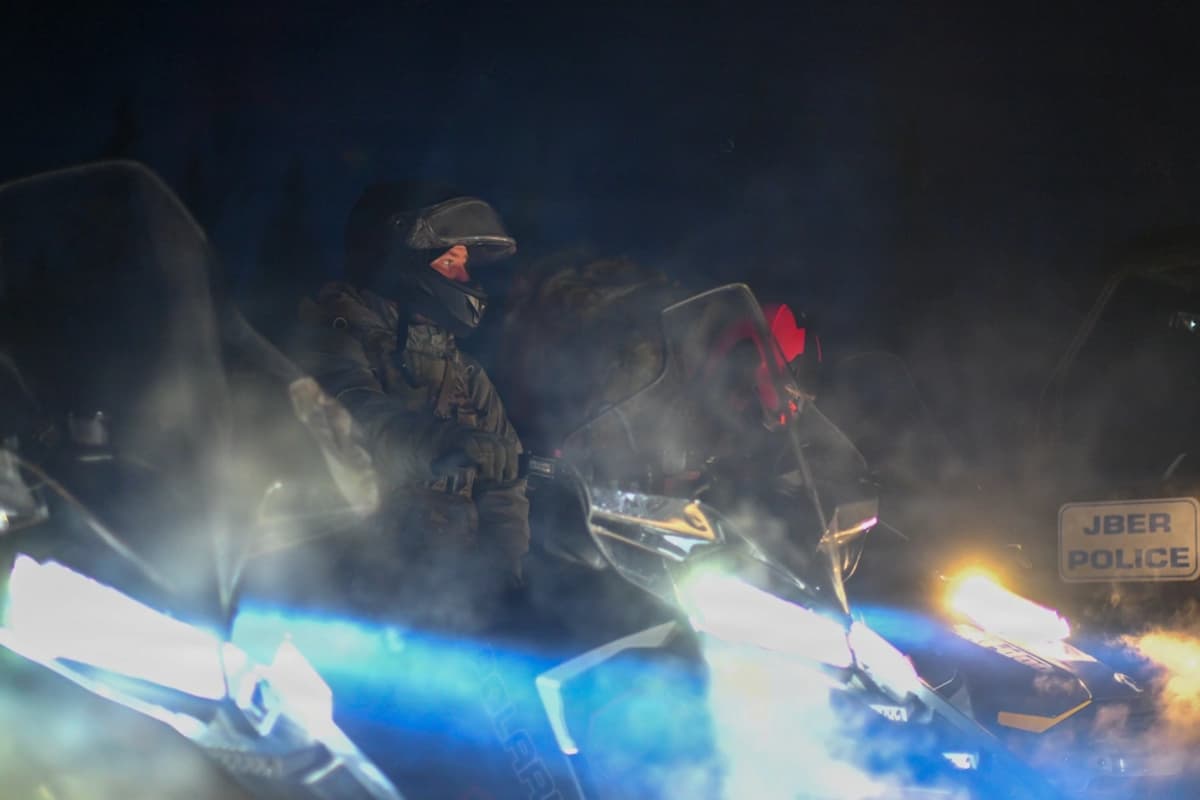
New Arctic Combat Course Teaches Troops to Fight and Win in Extreme Conditions
Why It Matters
The training directly enhances U.S. military readiness in a region where strategic competition with Russia and other powers is accelerating, ensuring forces can operate effectively throughout the Arctic’s harsh seasons.
Key Takeaways
- •673d Security Forces Squadron runs five‑day Arctic Combat Development Course
- •Course covers arctic medicine, snow‑machine patrols, cold‑weather weapons
- •Training prepares Airmen for long‑term operations in austere Arctic bases
- •Program aims for official accreditation before next winter season
- •Enhances U.S. readiness as Arctic geopolitical tension rises
Pulse Analysis
The Arctic is shifting from a remote frontier to a strategic theater, driven by melting ice, new shipping lanes, and competing claims from Russia, China, and NATO allies. As the United States seeks to protect its northern flank, the Department of Defense has accelerated investments in cold‑weather capabilities, recognizing that climate change will increase both civilian and military activity above the 66th parallel. Alaska, home to the nation’s largest Arctic footprint, now serves as a proving ground where Air Force units test concepts that could shape future force deployments across the high north.
The 673d Security Forces Squadron at Joint Base Elmendorf‑Richardson has launched a five‑day Arctic Combat Development Course (ACDC) that moves beyond basic cold‑weather endurance. Trainees spend the first day mastering arctic medicine, learning to treat hypothermia and frostbite in sub‑zero conditions. Days two and three focus on mobility, teaching patrols on snow‑machines and navigation over frozen terrain. The fourth day introduces cold‑weather weapons handling and the tactical use of snow for cover, while the final day culminates in a simulated combat patrol and after‑action review, mirroring real‑world missions.
By institutionalizing ACDC, the Air Force aims to certify a cadre of airmen capable of defending remote air‑base installations year‑round, a capability that could prove decisive if geopolitical friction escalates in the region. The squadron plans to secure formal accreditation before the next winter, positioning the program for integration into joint service curricula and potentially attracting allied partners seeking similar expertise. As the Arctic becomes a contested domain, such specialized training not only bolsters U.S. deterrence but also signals a broader commitment to operational readiness in extreme environments.
New Arctic combat course teaches troops to fight and win in extreme conditions
Comments
Want to join the conversation?
Loading comments...