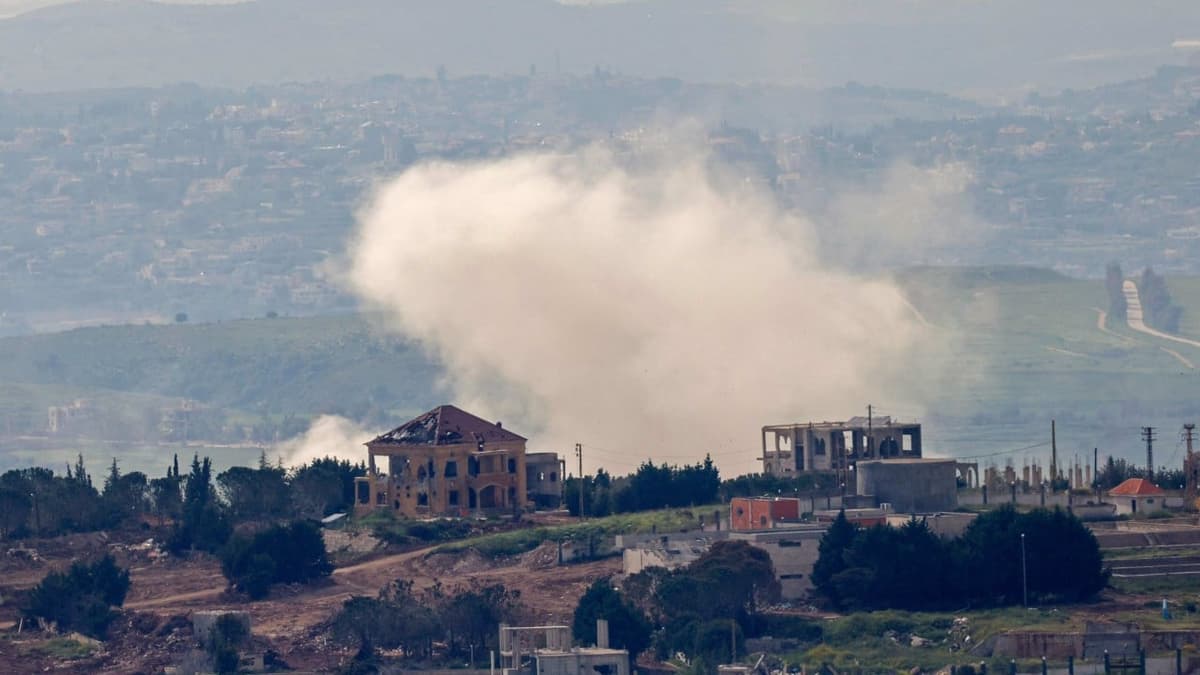
New Israeli Strikes Reported in Lebanon After Netanyahu Orders Attacks
Why It Matters
The escalation threatens the fragile ceasefire, raising the risk of a broader regional conflict that could draw in the United States, Iran and other Middle‑East actors. Continued hostilities also deepen humanitarian crises and destabilize Lebanon’s fragile economy.
Key Takeaways
- •Netanyahu ordered direct strikes after alleged Hezbollah ceasefire breach
- •Israeli attacks killed six civilians in southern Lebanon towns
- •Hezbollah says it hit Israeli vehicle in retaliation
- •US‑backed ceasefire extension now under severe strain
- •Displacement rises as residents flee southern Lebanon suburbs
Pulse Analysis
The latest Israeli offensive underscores a pivotal shift in the Israel‑Hezbollah stalemate that began in early March. Netanyahu’s public directive to "forcefully attack" Hezbollah marks a departure from the tentative diplomatic overtures that accompanied the ten‑day ceasefire announced by President Trump. By framing the operation as a response to a specific breach—projectiles launched from Lebanese territory—Israel seeks to legitimize a broader campaign aimed at degrading Hezbollah’s logistical networks in the south. This approach mirrors past Israeli strategies that combine kinetic strikes with psychological pressure, aiming to compel the militia to negotiate on more favorable terms.
On the ground, the renewed bombardments have amplified civilian suffering and sparked fresh waves of displacement. Reports from Beirut’s southern suburbs describe families abandoning homes amid fears of artillery and aerial attacks, echoing patterns seen during earlier phases of the conflict. The targeting of civilian‑laden vehicles and densely populated towns raises concerns under international humanitarian law, potentially inviting scrutiny from UN bodies and human‑rights organizations. Moreover, Hezbollah’s retaliatory strike on an Israeli vehicle signals a willingness to maintain a tit‑for‑tat dynamic, which could entrench a cycle of escalation unless a diplomatic de‑escalation mechanism is swiftly re‑engaged.
For policymakers, the flare‑up complicates the United States’ balancing act between supporting Israel’s security imperatives and curbing a widening war that could destabilize the broader Middle East. The extended ceasefire, while symbolically important, now appears fragile; any misstep could trigger a broader confrontation involving Iran’s regional proxies. Diplomatic channels—particularly back‑channel talks facilitated by European allies—will be crucial in re‑establishing a credible ceasefire framework. In the meantime, humanitarian agencies are urging the international community to prioritize aid access for displaced Lebanese civilians, whose plight may become a flashpoint for further regional tension if left unaddressed.
New Israeli strikes reported in Lebanon after Netanyahu orders attacks
Comments
Want to join the conversation?
Loading comments...