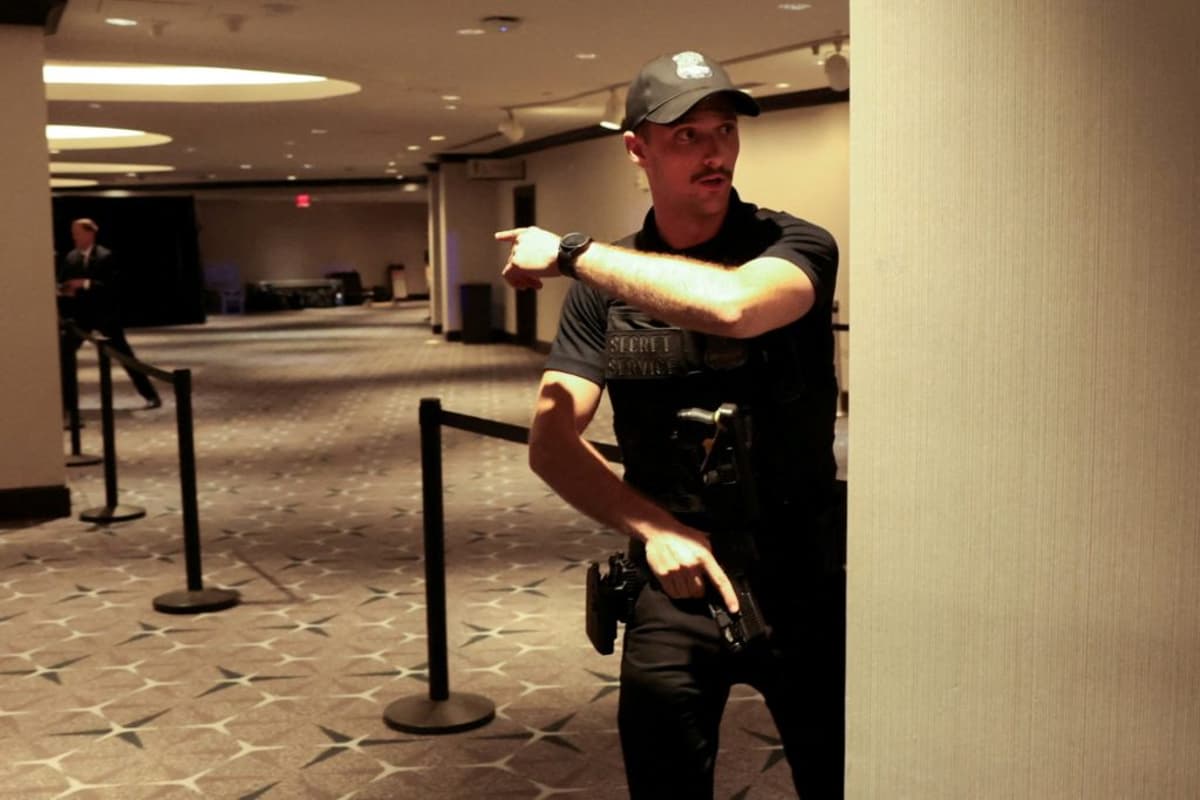
New Video of Correspondents' Dinner Shooting Raises Questions About Presidential Security
Why It Matters
The episode exposes potential weaknesses in presidential protection outside the White House, prompting possible revisions to security doctrine and influencing public confidence in the Secret Service, while political narratives risk diverting attention from needed reforms.
Key Takeaways
- •DOJ video shows suspect bypassing metal detector at dinner
- •No muzzle flash; friendly‑fire claim remains unproven
- •Secure zone breach prompts calls for venue relocation
- •Experts urge extending protection perimeter for off‑site events
- •Political framing may distract from security reforms
Pulse Analysis
The release of the Correspondents’ Dinner video arrives at a fraught moment for presidential security, marking the third high‑profile attempt on President Trump since his inauguration. While the footage captures the suspect’s rapid passage through a metal detector and a subsequent gunshot, the absence of a visible muzzle flash fuels speculation about friendly fire versus hostile fire. Legal analysts anticipate a protracted courtroom battle, as the Department of Justice’s selective frame‑by‑frame edits raise questions about evidentiary transparency and the standards governing Secret Service investigations.
Security experts contend that the incident underscores a systemic vulnerability: the current "secure zone" model, designed for the White House’s fortified environment, struggles to adapt to mixed public‑private venues like hotel ballrooms. Recommendations include extending the protective perimeter, deploying additional screening stations, and, more radically, relocating presidential events to isolated sites such as the D.C. Convention Center, where civilian traffic can be tightly controlled. These proposals reflect a broader shift toward anticipatory risk management, acknowledging that modern threats—from mass shooters to politically motivated actors—require flexible, layered defenses beyond traditional static perimeters.
Beyond operational concerns, the episode illustrates how political calculus can shape security discourse. Administration officials have framed the incident as both a security failure and a rallying point for the president’s “ballroom” narrative, potentially diverting focus from substantive policy changes. As public scrutiny intensifies, the Secret Service may face pressure to adopt clearer protocols and transparent reporting mechanisms, reinforcing confidence in its ability to safeguard the nation’s leader while preserving democratic engagement. The evolving dialogue will likely influence future event planning, congressional oversight, and the allocation of resources toward advanced threat detection technologies.
New video of Correspondents' Dinner shooting raises questions about presidential security
Comments
Want to join the conversation?
Loading comments...