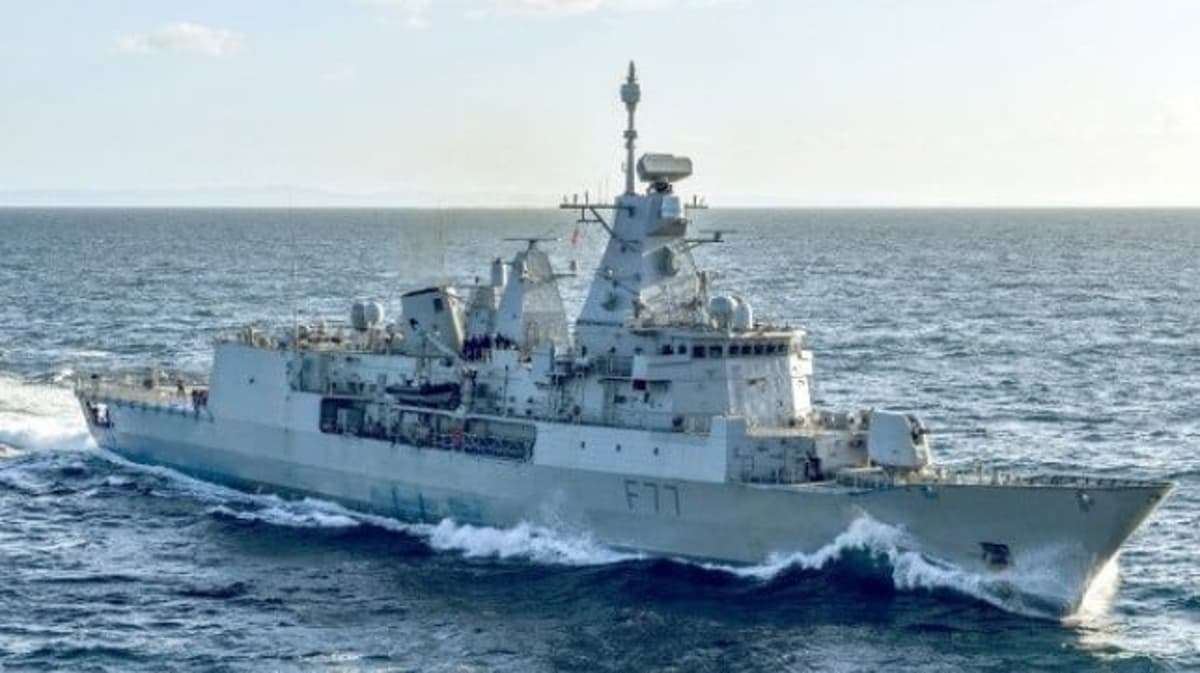
New Zealand Funds Upgrades for Aging Navy Ships Ahead of Fleet Renewal
Why It Matters
Extending the existing fleet preserves New Zealand’s maritime defence and trade protection while the costly replacement programme is finalized, reinforcing regional stability and supply‑chain resilience.
Key Takeaways
- •NZ allocates NZ$1.5 bn (US$925 m) for defence, including ship upgrades.
- •Maintenance will keep HMNZS Te Kaha, Te Mana operational to mid‑2030s.
- •HMNZS Canterbury’s sealift capability extended despite 2007 build date.
- •Future frigate choice hinges on Japan’s Mogami or UK’s Type 31 designs.
Pulse Analysis
New Zealand’s 2026 budget reflects a strategic pivot toward bolstering maritime capabilities in an era of heightened geopolitical tension and supply‑chain fragility. By earmarking nearly a billion US dollars for defence, the government signals that protecting sea lanes—vital for the nation’s export‑driven economy—is a top priority. The allocation not only funds cutting‑edge drone systems but also channels resources into life‑extension programs for legacy vessels, ensuring that the navy remains a credible deterrent while new platforms are being evaluated.
The technical upgrades slated for HMNZS Te Kaha, HMNZS Te Mana and HMNZS Canterbury involve hull reinforcement, propulsion overhauls, and modernised combat systems. Extending the frigates’ service life to the mid‑2030s mitigates the risk of capability gaps that could arise if the ships were decommissioned before a replacement arrives. Moreover, the Canterbury’s enhanced sealift capacity ensures rapid deployment of troops and humanitarian aid, a critical function for a nation spread across remote islands and prone to natural disasters. These improvements collectively sustain New Zealand’s ability to patrol its Exclusive Economic Zone, safeguard fisheries, and respond to emergent threats.
Looking ahead, the forthcoming fleet renewal will shape the country’s naval posture for the next decade. Discussions with Australia and the United Kingdom aim to align procurement choices—whether adopting Japan’s Mogami‑class or the UK’s Type 31 frigates—with broader regional security architectures. The selected platform will need to integrate seamlessly with allied forces, support multi‑mission roles from anti‑submarine warfare to disaster relief, and fit within a budgetary framework that balances capability with fiscal prudence. By extending current ships now, New Zealand buys time to make an informed, partnership‑driven decision that will underpin its maritime strategy through 2039.
New Zealand Funds Upgrades for Aging Navy Ships Ahead of Fleet Renewal
Comments
Want to join the conversation?
Loading comments...