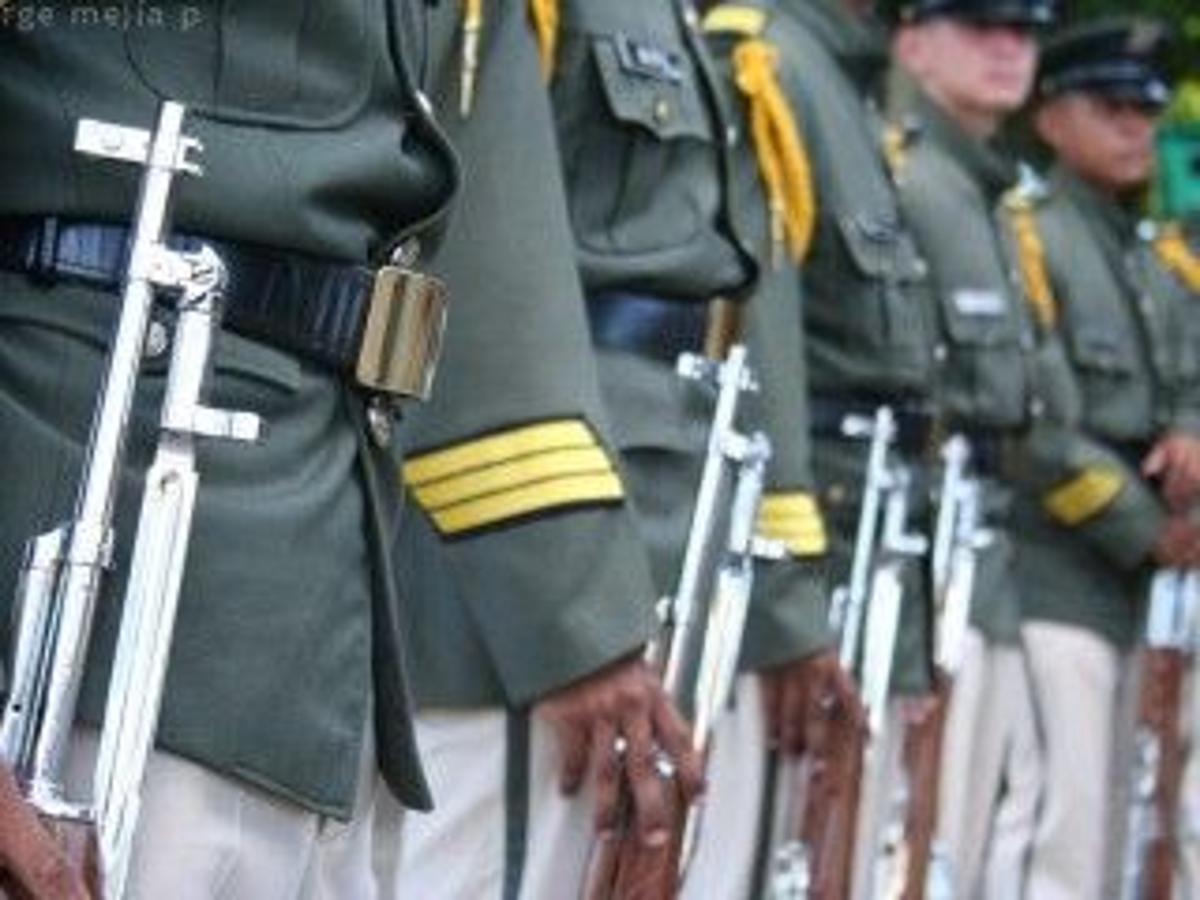
Nicaragua as a Russian Military Base? The Opposition Warns
Why It Matters
The deal gives Russia a strategic foothold in the Western Hemisphere, potentially reshaping security dynamics across Central America and challenging U.S. influence.
Key Takeaways
- •Russia ratifies Nicaragua military pact, signaling deeper bilateral defense ties
- •Opposition claims agreement makes Nicaragua a de facto Russian base
- •Pact covers joint training, doctrine sharing, and CBRN defense cooperation
- •Critics urge SICA members to suspend Nicaragua over sovereignty concerns
- •Agreement could shift Central American security balance toward Moscow
Pulse Analysis
The ratification of the Nicaragua‑Russia defence accord by the Russian Federation Council marks the most overt military partnership the Kremlin has forged in Central America since the Cold War. Signed in Moscow in September 2025, the agreement obliges both sides to exchange doctrine, train personnel, and cooperate on counter‑terrorism, piracy, and chemical‑biological‑radiological (CBRN) defence. For Russia, the pact offers a legal foothold on the Atlantic side of the Panama Canal, expanding its strategic depth beyond Europe and the Middle East. For Managua, the deal provides access to Russian equipment and expertise that have been scarce under U.S. sanctions.
The opposition’s alarm that Nicaragua is becoming a ‘Russian military base’ reflects deeper anxieties about a shifting balance of power in the Western Hemisphere. If Russian advisors and hardware are deployed, neighboring states may feel compelled to reassess their own defence postures, potentially prompting a regional arms race. Washington has already signalled concern, warning that any expansion of Russian influence could undermine the 1995 Framework Treaty on Democratic Security. Meanwhile, opposition leaders are lobbying SICA members to suspend Nicaragua, a move that would isolate the Sandinista government diplomatically.
From a business perspective, the agreement introduces new risk variables for investors operating in Central America. Companies reliant on stable logistics corridors may need to monitor possible sanctions or export controls targeting Russian‑linked equipment. Conversely, Russian defence firms could view Nicaragua as a gateway to Latin American markets, sparking competition for contracts in the region’s emerging security sector. Stakeholders should track diplomatic responses from the United States, the European Union, and regional bodies, as any escalation could affect trade flows, tourism, and foreign direct investment throughout Central America.
Nicaragua as a Russian military base? The opposition warns
Comments
Want to join the conversation?
Loading comments...