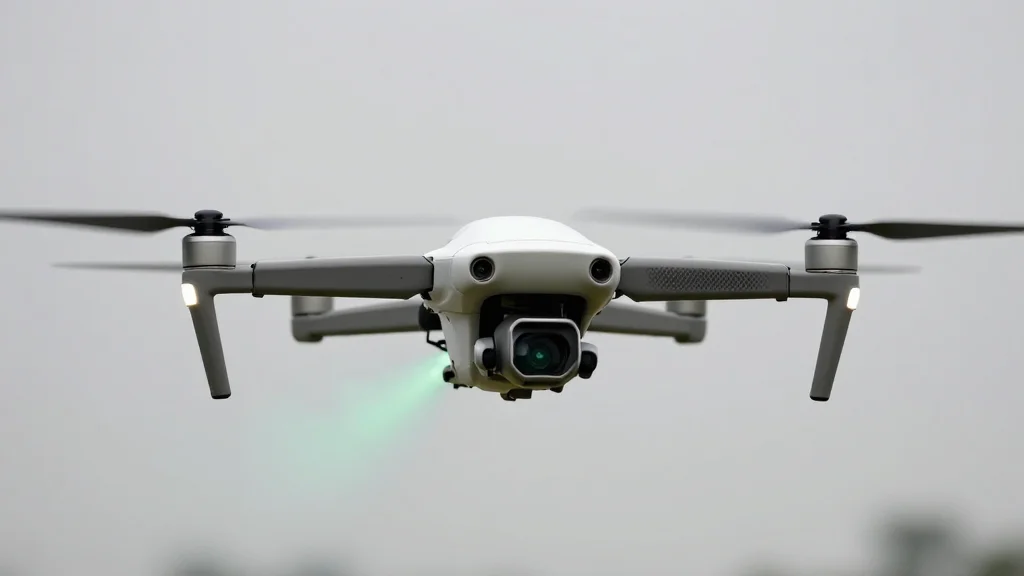
NJ Police Recover $870K Stolen Chemical‑Sprayer Drones, Heightening Defense Security Concerns

Why It Matters
The theft highlights a growing vulnerability in the defense supply chain: commercial drones capable of dispersing large volumes of chemicals can be diverted for hostile purposes with relatively little oversight. As the U.S. military and homeland security agencies grapple with emerging threats from unmanned systems, this incident underscores the need for stricter regulation and real‑time tracking of dual‑use UAVs. Beyond immediate security concerns, the episode may prompt legislative action to close gaps in export controls and to mandate reporting requirements for manufacturers of high‑capacity spray drones. Failure to address these gaps could embolden adversaries seeking low‑cost delivery platforms for chemical or biological agents, eroding public safety and national security.
Key Takeaways
- •NJ State Police recovered 15 Ceres Air C31 drones valued at $870,000 on April 27.
- •Each drone can spray up to 40 gallons of liquid chemicals, raising misuse concerns.
- •Former FBI agent Steve Lazarus warned the drones could enable chemical or biological attacks.
- •A 2020 U.S. Army report flagged such drones as potential delivery systems for weapons.
- •The incident may trigger tighter export controls and mandatory UAV serial‑number reporting.
Pulse Analysis
The rapid recovery of the stolen drones demonstrates effective inter‑agency coordination, yet it also reveals a systemic blind spot: commercial UAVs are not currently subject to the same scrutiny as traditional weapons platforms. Historically, the defense sector has focused on kinetic threats, but the rise of dual‑use technologies forces a paradigm shift. The Ceres Air C31, while marketed for agricultural use, possesses payload capacities that rival low‑cost missile delivery systems, making it an attractive tool for non‑state actors.
Market dynamics further complicate the picture. The UAV sector is projected to exceed $30 billion globally by 2028, driven by demand for precision agriculture and infrastructure inspection. As manufacturers chase volume, security features—such as geofencing, remote disable, and encrypted command links—are often optional add‑ons rather than standard. This creates a supply‑chain risk where high‑capacity drones can slip through regulatory nets, especially when sold through third‑party logistics firms that may lack robust verification processes.
Policy makers now face a trade‑off between fostering innovation in a booming industry and safeguarding against misuse. A possible path forward includes mandating unique identifiers for each drone, integrating them into a national UAV registry, and requiring background checks for purchasers of spray‑capable models. If such measures are adopted, they could set a precedent for managing other dual‑use technologies, reinforcing the United States' defensive posture in an era where the line between civilian and combat tools is increasingly blurred.
NJ Police Recover $870K Stolen Chemical‑Sprayer Drones, Heightening Defense Security Concerns
Comments
Want to join the conversation?
Loading comments...