Why It Matters
The stalemate delays critical funding for Taiwan’s asymmetric warfare capabilities, a cornerstone of its deterrence strategy amid rising cross‑strait tensions. The outcome will shape the island’s defense industry growth and its alignment with U.S. security assistance.
Key Takeaways
- •Executive Yuan proposes NT$1.25 trillion ($39.7 bn) eight‑year defense fund.
- •TPP counters with NT$400 bn ($12.8 bn); KMT suggests NT$380 bn plus “N”.
- •Disagreement centers on budget items, not act name or procedures.
- •DPP warns cuts would cripple domestic defense industry and drone R&D.
- •KMT wants funding after US offers; over NT$700 bn weapons pending.
Pulse Analysis
Taiwan’s push for a dedicated defense fund reflects a broader shift toward asymmetric capabilities, such as advanced drones and missile systems, that can offset the People’s Republic’s numerical superiority. By earmarking nearly $40 billion over eight years, the Executive Yuan aims to accelerate procurement and nurture a home‑grown defense supply chain, aligning with U.S. assessments that prioritize resilience and rapid response in the Indo‑Pacific. The scale of the proposal underscores Taiwan’s intent to move beyond ad‑hoc spending and embed long‑term strategic planning into its security architecture.
The political impasse stems from divergent fiscal philosophies and timing concerns. The TPP’s modest NT$400 billion offer seeks to integrate certain purchases into the regular budget, while the KMT’s “+N” approach ties additional funding to U.S. letters of offer, reflecting a cautious stance on premature commitments. Meanwhile, the DPP argues that any reduction would erode the nascent domestic defense sector, especially in central and southern regions where precision manufacturing clusters are emerging. This clash highlights how budgetary negotiations have become a proxy for broader debates on sovereignty, self‑reliance, and external dependence.
If the legislature approves the Executive Yuan’s plan, Taiwan could fast‑track critical platforms, bolster its drone development pipeline, and attract further U.S. arms sales, reinforcing deterrence credibility. Conversely, a scaled‑back or delayed budget risks leaving key weapon systems unfunded, potentially widening the capability gap with mainland China. The outcome will also signal to allies and investors the island’s commitment to sustaining a robust defense industrial base, a factor that could shape future security cooperation and economic partnerships in the region.
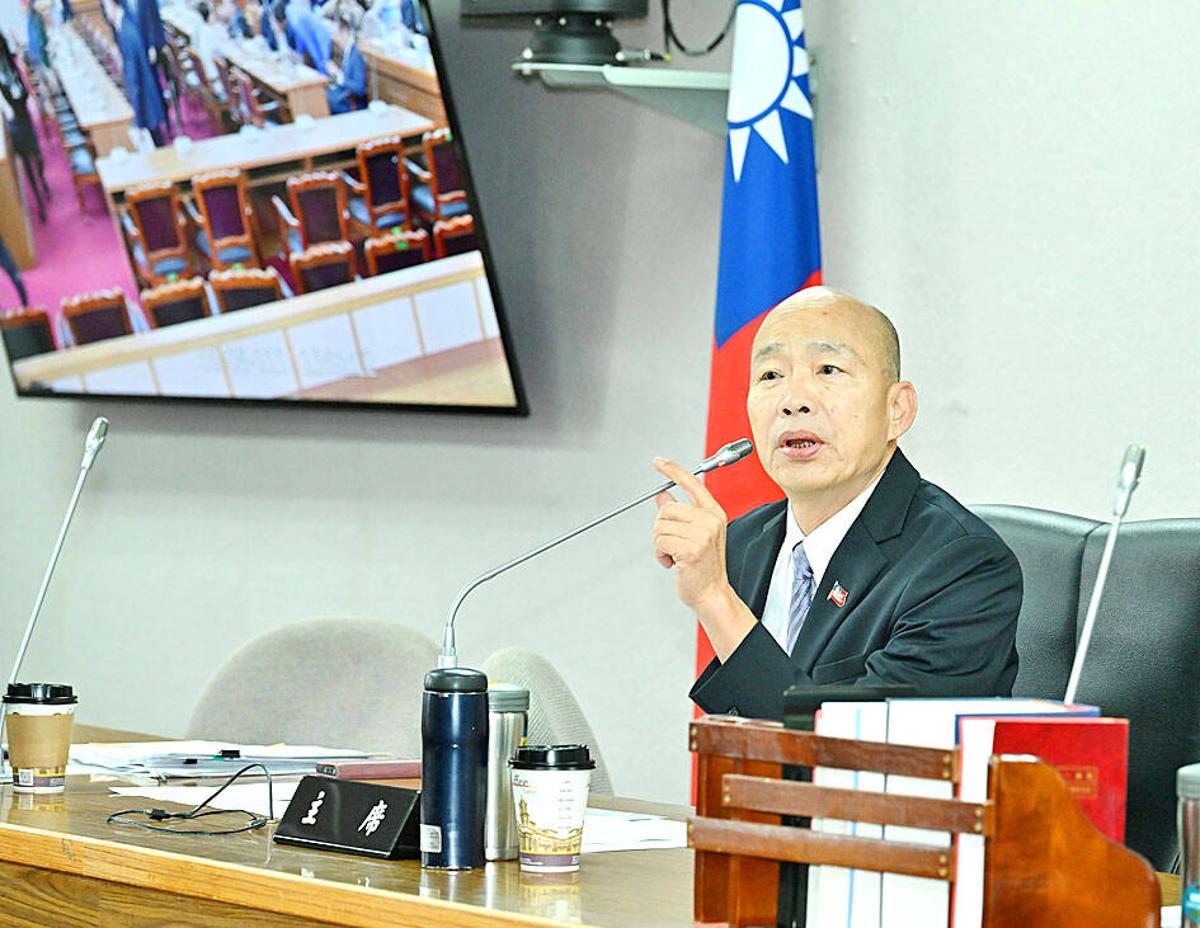
No consensus reached on defense funds
Comments
Want to join the conversation?
Loading comments...