No Indo-Pacific Peace without Industry Surge and Burden Sharing, US General Says
Why It Matters
Industrial capacity is becoming a strategic lever for deterrence, forcing adversaries to calculate U.S. and allied sustainment capabilities. The push for allied burden sharing reshapes defense spending patterns and deepens security ties across the Indo‑Pacific.
Key Takeaways
- •General Brunson links industrial capacity to Indo‑Pacific deterrence.
- •South Korea overhauls US ships, shifting from consumer to security producer.
- •Defense spending in Asia rose ~10% in 2025, mirroring Europe’s surge.
- •Balikatan 2026 expanded to multinationals, rehearsing joint defense of Philippines.
- •U.S. pushes allies to shoulder more burden under Trump administration.
Pulse Analysis
The Indo‑Pacific’s security architecture is evolving from a purely kinetic focus to a broader, industry‑driven model. General Brunson’s remarks at the LANPAC symposium underscore a strategic insight: modern deterrence requires a resilient supply chain capable of repairing, refitting, and producing equipment close to potential flashpoints. By treating factories and dry docks as extensions of the battlefield, the United States and its partners aim to reduce logistical lag and deny adversaries the advantage of exploiting repair bottlenecks. This industrial mindset mirrors the "fortress chain" concept, where each ally contributes tangible assets that collectively form a durable defensive barrier.
Spending data from SIPRI shows Asian defense budgets climbing nearly 10 percent in 2025, echoing a 14 percent surge in Europe. South Korea exemplifies this trend, moving from a consumer of U.S. hardware to a producer of security by overhauling vessels like the USNS Wally Schirra. Such capability transfers not only lower turnaround times but also signal a deeper commitment to shared responsibility. The Trump administration’s emphasis on allied cost‑sharing accelerates this shift, prompting countries like Japan, Australia, and the Philippines to allocate more resources toward indigenous production and maintenance.
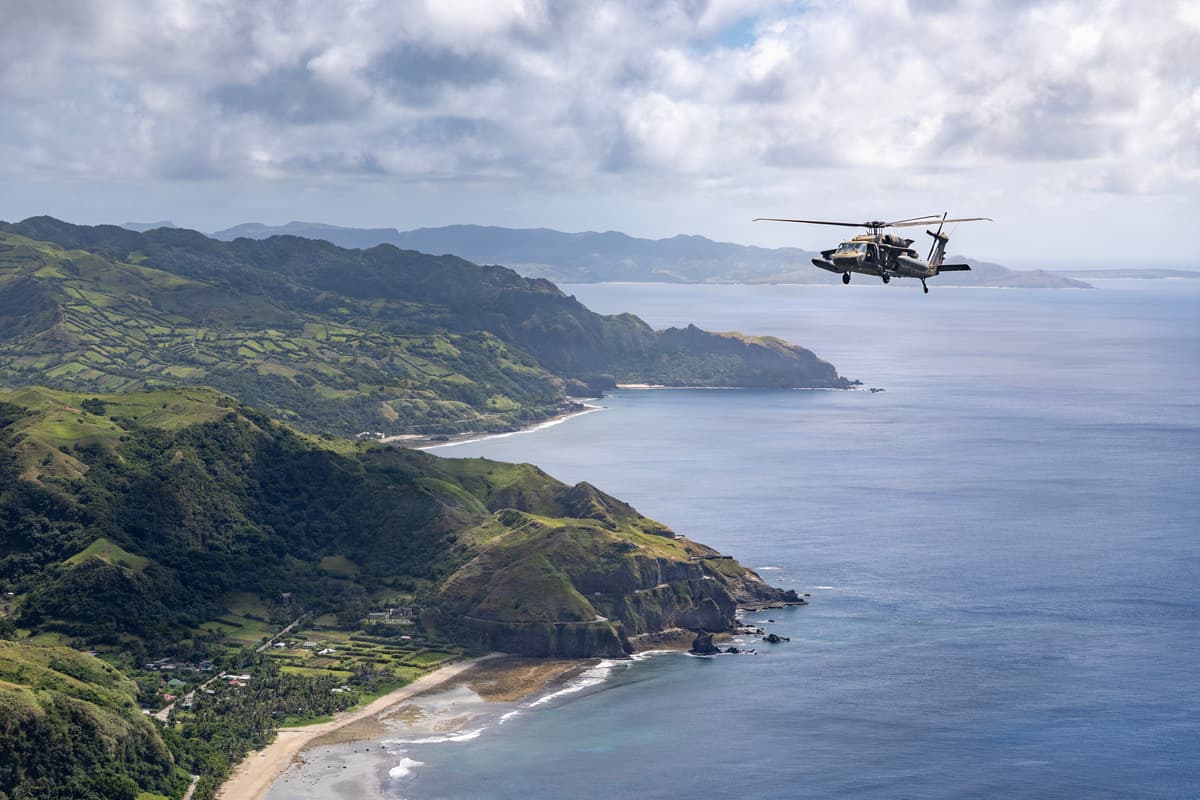
The operational implications are already visible. Balikatan 2026 expanded beyond a bilateral U.S.–Philippines drill to include Australia, Japan, New Zealand, France and Canada, turning the exercise into a multinational rehearsal for defending the Philippines. This broader participation tests interoperability, logistics coordination, and joint command structures—key components of the industrial‑deterrence nexus. As allies embed more of the sustainment burden, the United States can focus on high‑end capabilities while ensuring a forward‑positioned, resilient supply chain that complicates any adversary’s strategic calculus.
No Indo-Pacific peace without industry surge and burden sharing, US general says
Comments
Want to join the conversation?
Loading comments...