Nordic Lessons for Romania’s Information Defense: Adapting Psychological and Societal Resilience Models for Hybrid Warfare
Key Takeaways
- •34 Russian hybrid attacks, 85k cyber assaults on election.
- •Romania ranks near bottom on EU Media Literacy Index.
- •Sweden’s MPF coordinates foreign influence response without censoring speech.
- •Finland embeds media literacy from early childhood across society.
- •Coordinated agency needed to fill Romania’s regulatory vacuum.
Pulse Analysis
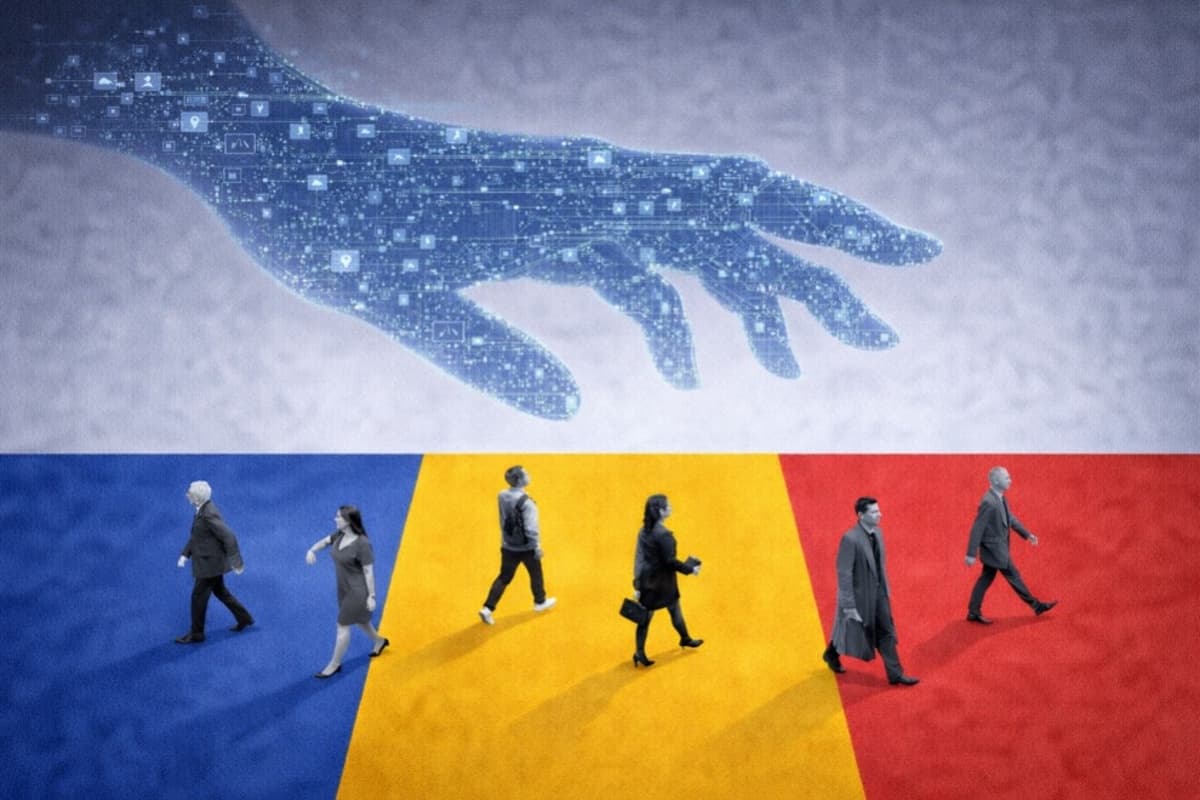
The 2024 Romanian presidential election became a textbook case of hybrid warfare, where Russian actors blended cyber‑attacks, algorithmic amplification and covert influencer networks to tilt the vote. Over 34 documented hybrid operations and 85,000 cyber intrusions overwhelmed a fragmented media ecosystem already ranked near the bottom of the EU Media Literacy Index. The Constitutional Court’s unprecedented annulment highlighted the limits of traditional security tools and underscored the need for a dedicated information‑defence posture. As NATO’s eastern flank, Romania’s vulnerability reverberates beyond its borders, prompting urgent reforms.
Sweden’s Psychological Defence Agency (MPF) offers a pragmatic institutional template. Created in 2022 under the Ministry of Defence, the 60‑person agency monitors foreign influence, maps vulnerabilities and intervenes only when disinformation gains traction, often by publishing transparent analyses rather than imposing censorship. Its dual‑track approach separates foreign threat assessment from domestic speech, preserving democratic norms while providing a clear coordination hub for cyber, media and civil‑society actors. The MPF’s success during the 2022 LVU campaign—where it defused a false narrative about child abductions—demonstrates how a lean, focused body can blunt hostile narratives without eroding press freedom.
Finland’s model complements institutional safeguards with a whole‑society media‑literacy strategy. Starting in daycare and continuing through higher education, Finnish curricula teach students to dissect propaganda, recognize statistical tricks and produce their own content, creating a population that treats media like a second language. Partnerships among schools, libraries, NGOs and government agencies amplify reach, while annual campaigns such as Media Literacy Week keep adult learners engaged. For Romania, embedding similar programs—especially in rural areas where digital gaps are widest—and establishing a coordinating agency modeled on the MPF would close the regulatory vacuum and build long‑term resilience against future hybrid assaults.
Nordic Lessons for Romania’s Information Defense: Adapting Psychological and Societal Resilience Models for Hybrid Warfare
Comments
Want to join the conversation?