North Korea Cements Full-Fledged Nuclear Status With Russian Backing, Crumbling Global Norms & Iran War
Why It Matters
The moves cement the DPRK as a more confident nuclear power, forcing the United States and regional allies to reassess deterrence postures and crisis‑management strategies in a volatile security environment.
Key Takeaways
- •Five missile launches in two months, four in April 2024.
- •Russia provides economic, technical aid and troops exchange with NK.
- •NK claims “irreversible” nuclear state, miniaturized warhead capability.
- •Tests aim to demonstrate saturation‑attack capacity against missile defenses.
- •US focus on Iran war creates strategic window for NK escalation.
Pulse Analysis
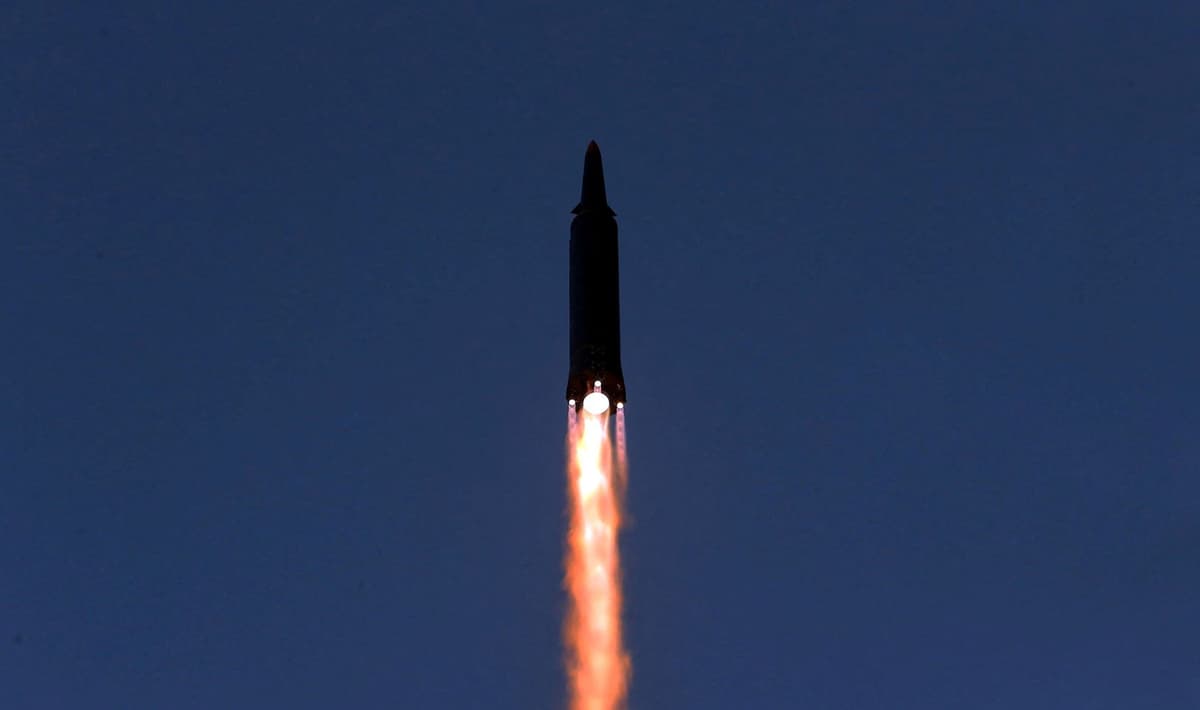
North Korea’s recent missile barrage underscores a calculated exploitation of global distraction. Since the U.S. and Israel began strikes on Iran in late February, Pyongyang has unleashed five ballistic and cruise missile tests, four of them in April alone. The timing aligns with the Workers’ Party congress, where Kim Jong Un proclaimed the nation’s nuclear status as “irreversible.” Analysts interpret the launches as a dual‑purpose signal: showcasing technical strides such as miniaturized warheads and saturation‑attack tactics, while reinforcing a deterrent posture that can survive heightened regional tensions.
The surge coincides with deepening Russo‑North Korean ties. Moscow and Pyongyang have formalized a long‑term military cooperation treaty, exchanged economic and technical assistance, and deployed thousands of North Korean troops to support Russian operations in Ukraine. This partnership provides Pyongyang with hard‑currency inflows and access to Russian defense expertise, effectively insulating it from Western sanctions. Cultural exchanges, joint infrastructure projects, and even a North Korean restaurant in Moscow illustrate the breadth of the alliance, which many observers view as a war‑time convenience rather than a lasting strategic bond.
For U.S. policymakers and East Asian allies, the convergence of an aggressive DPRK weapons program and a distracted American focus on the Middle East raises the stakes of miscalculation. The demonstrated ability to conduct saturation attacks could strain existing missile‑defense architectures, prompting calls for accelerated deployment of advanced interceptors and reinforced diplomatic pressure on Moscow. Balancing deterrence with engagement will be essential to prevent the erosion of non‑proliferation norms and to contain a potentially more volatile nuclear landscape in the Indo‑Pacific.
North Korea Cements Full-Fledged Nuclear Status With Russian Backing, Crumbling Global Norms & Iran War
Comments
Want to join the conversation?
Loading comments...