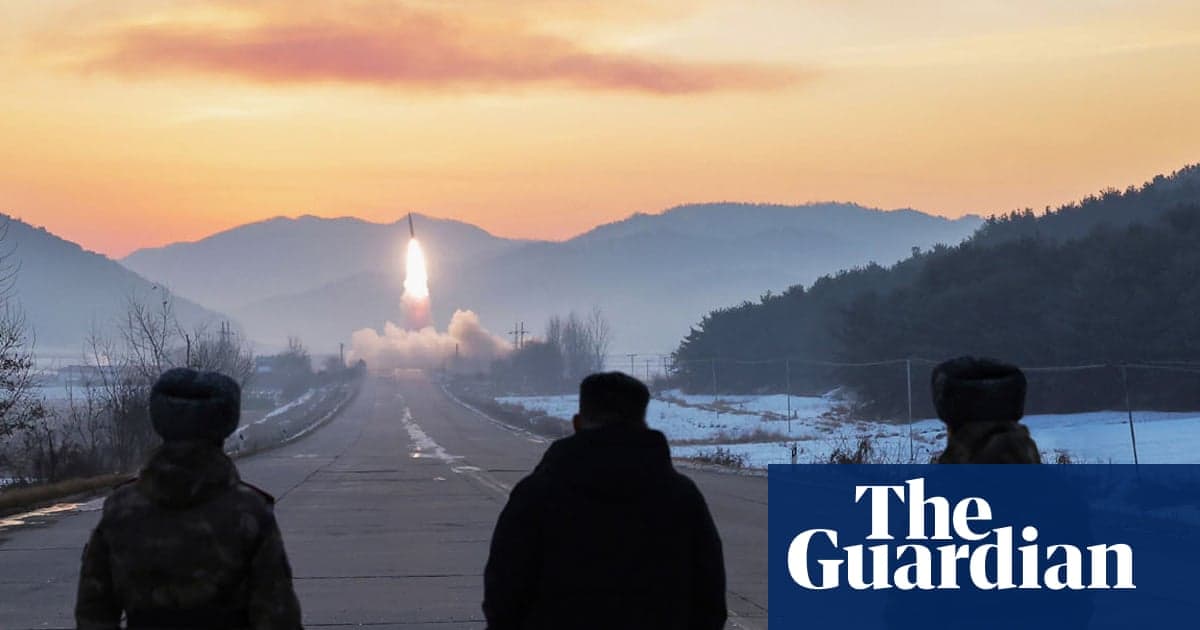
North Korea Rapidly Expanding Nuclear Weapons Capability, UN Watchdog Warns
Why It Matters
The acceleration threatens global non‑proliferation regimes and forces the U.S. and allies to reassess security and economic policies.
Key Takeaways
- •IAEA reports intensified activity at Yongbyon’s reactors and reprocessing unit.
- •North Korea may possess ~50 nuclear warheads, possibly 10‑20 new annually.
- •New uranium enrichment facility at Yongbyon nearing operational readiness.
- •Expanded ICBM capability threatens US mainland and broader global security.
- •Diplomatic talks stalled; sanctions ineffective against regime’s nuclear drive.
Pulse Analysis
The International Atomic Energy Agency’s latest briefing underscores a marked acceleration in North Korea’s nuclear infrastructure. Activity at Yongbyon’s 5‑megawatt reactor, light‑water reactor, and reprocessing plant has surged, suggesting a push to produce weapons‑grade material at scale. Satellite imagery corroborates the construction of a new uranium‑enrichment building, which analysts say could bring the facility to operational status within months. With an estimated 50 warheads already assembled, the regime appears to be moving from a minimal deterrent to a more robust, survivable arsenal, raising the stakes for non‑proliferation enforcement.
The expanded arsenal directly challenges U.S. strategic calculations. Intercontinental ballistic missiles capable of reaching the continental United States have already been flight‑tested, and the addition of a steady supply of enriched uranium could enable a yearly output of ten to twenty new warheads. Such growth erodes the credibility of existing UN Security Council resolutions and complicates the calculus for regional allies, who must balance deterrence with the risk of escalation. Moreover, the regime’s ability to produce material internally diminishes the leverage of sanctions that target import‑dependent supply chains.
Policymakers face a narrowing set of options. Diplomatic overtures have stalled since the 2018‑19 U.S.–North Korea summits, and the IAEA’s heightened readiness signals a potential shift toward more intrusive inspections, should Pyongyang consent. For investors and multinational firms, the heightened geopolitical risk translates into higher insurance premiums, supply‑chain disruptions, and volatile energy markets, especially in neighboring Japan and South Korea. A coordinated response that blends targeted sanctions, reinforcement of missile‑defense systems, and renewed diplomatic pressure may be the only viable path to curb the regime’s rapid nuclearisation.
North Korea rapidly expanding nuclear weapons capability, UN watchdog warns
Comments
Want to join the conversation?
Loading comments...