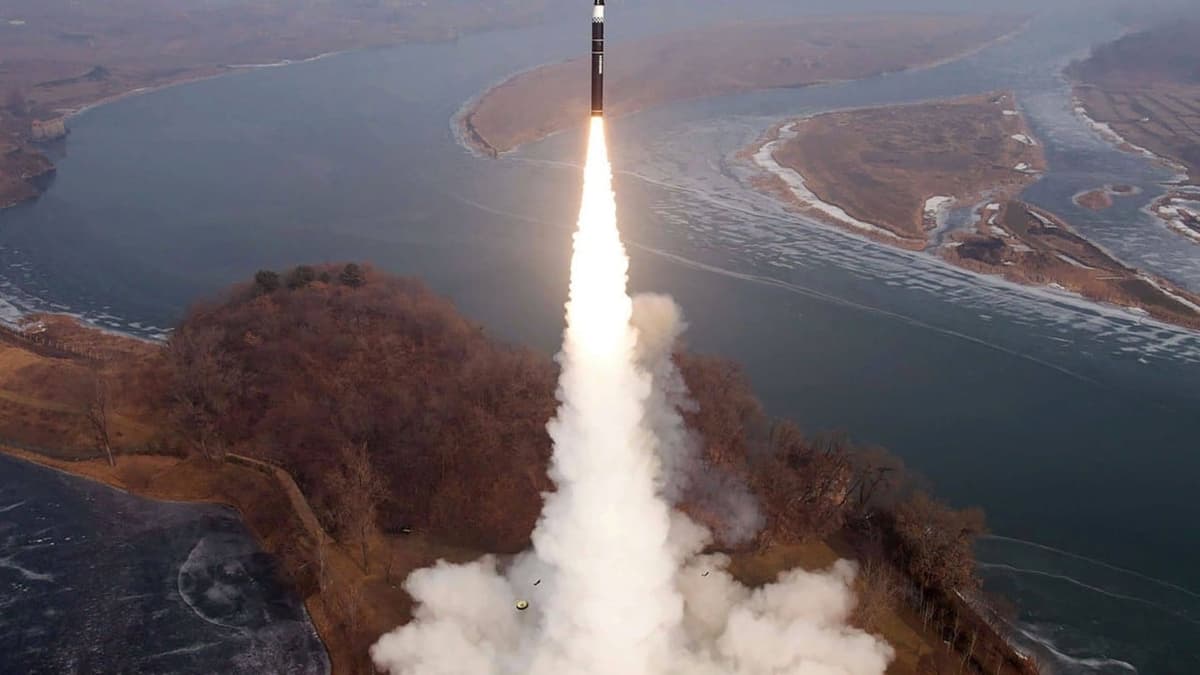
North Korea Says Nuclear Status ‘Will Not Change’ Despite External Pressure
Why It Matters
The declaration deepens challenges for the global non‑proliferation regime, raising the risk of heightened regional tension and limiting the effectiveness of sanctions aimed at denuclearisation.
Key Takeaways
- •North Korea rejects NPT obligations, reaffirming nuclear-armed status
- •Six nuclear tests conducted; dozens of warheads estimated
- •US and allies' pressure unlikely to alter Pyongyang's stance
- •Ties with Russia include military aid amid Ukraine conflict
- •NPT review faces challenges as nuclear proliferation concerns rise
Pulse Analysis
North Korea’s top diplomat at the United Nations reiterated on Thursday that the hermit kingdom will never re‑enter the Nuclear Non‑Proliferation Treaty (NPT) and that external criticism will not change its nuclear‑armed status. Pyongyang formally withdrew from the NPT in 2003 after a brief threat in 1993, and since then has carried out six underground tests, leading analysts to estimate a stockpile of dozens of warheads. The declaration comes as the UN convenes its periodic NPT review conference, where the majority of states are urging full compliance.
The envoy’s defiant stance complicates an already fragile non‑proliferation architecture. Washington and its allies have layered sanctions on Pyongyang, yet the statement signals that diplomatic pressure alone is unlikely to induce denuclearisation. The Stockholm International Peace Research Institute reports the nine nuclear‑armed states collectively own over 12,000 warheads, with the United States and Russia accounting for roughly 90 percent, underscoring the asymmetry that fuels Pyongyang’s security calculus. Regional actors such as South Korea and Japan must now weigh heightened deterrence costs against the limited leverage offered by traditional punitive measures.
North Korea’s growing military‑technology exchange with Russia adds another layer of complexity. Moscow has supplied missile components and training in return for artillery and troops supporting the war in Ukraine, creating a de‑facto strategic partnership that blunts Western attempts to isolate Pyongyang. As the NPT review proceeds, the international community faces a choice: tighten enforcement mechanisms or explore new engagement tracks that address North Korea’s security concerns while curbing proliferation. Regardless of the path chosen, the regime’s insistence that its nuclear capability is “irreversible” will shape East Asian security dynamics for years to come.
North Korea says nuclear status ‘will not change’ despite external pressure
Comments
Want to join the conversation?
Loading comments...