North Korea’s Missile Salvo Triggers High Alert in Japan, South Korea and U.S. Allies

Why It Matters
The missile salvo marks a clear escalation in North Korea’s strategic signaling, testing both regional missile defenses and the resolve of the U.S.–Japan–South Korea security alliance. By forcing the activation of crisis management mechanisms, the launches expose gaps in early‑warning systems and may accelerate defense spending on radar, interceptors and command‑and‑control upgrades across the region. Simultaneously, the attack on UNIFIL and Iran’s threats to close the Strait of Hormuz compound the risk of a multi‑theater conflict. The strait handles roughly 20% of global oil shipments; any disruption would reverberate through energy markets and could trigger broader economic instability. Together, these events highlight the interconnected nature of modern defense challenges, where a missile test in the Korean Peninsula can influence diplomatic calculations in the Middle East and vice versa.
Key Takeaways
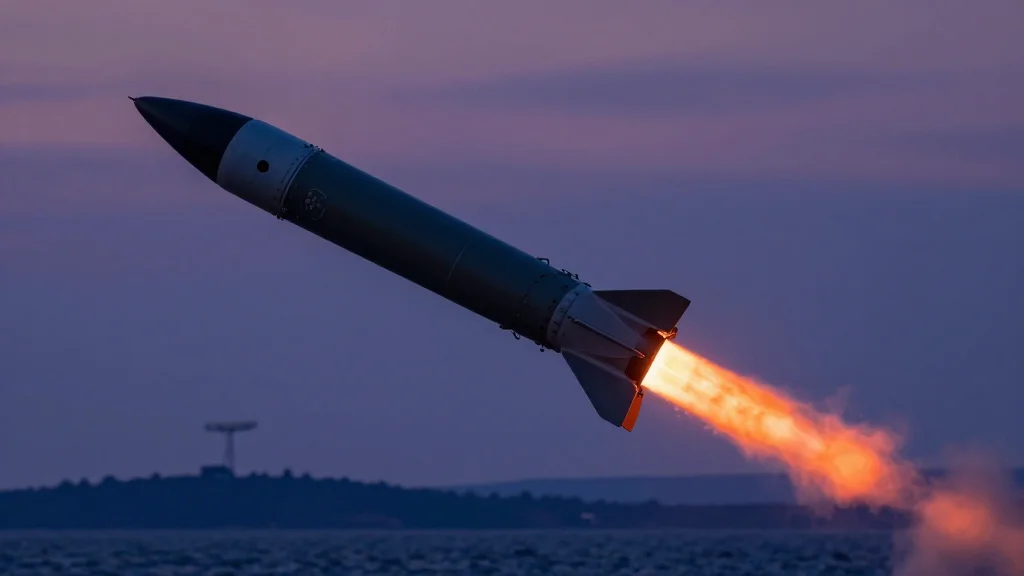
- •North Korea launched multiple ballistic missiles from Sinpo at ~06:10 local time on April 19.
- •Japan activated top‑tier crisis management and convened its emergency response team.
- •South Korea held an emergency security meeting; the U.S. joined joint analysis with Japan.
- •UN Secretary‑General Guterres condemned an attack that killed a French peacekeeper in Lebanon.
- •Iran’s IRGC announced closure of the Strait of Hormuz amid accusations of EU double standards.
Pulse Analysis
The coordinated response by Japan, South Korea and the United States signals a maturing trilateral defense framework that can rapidly mobilize in the face of North Korean provocations. Historically, such missile tests have been used by Pyongyang to extract concessions or to test the limits of allied missile defenses. The swift activation of crisis protocols suggests that the allies have internalized lessons from past incidents, such as the 2017 missile barrage that exposed gaps in early‑warning coverage. However, the reliance on existing radar and interceptor networks may still be insufficient against more sophisticated hypersonic trajectories that North Korea is reportedly developing.
The broader strategic picture is equally concerning. Iran’s decision to potentially close the Strait of Hormuz, coupled with its rhetorical attack on the EU, reflects a willingness to leverage geographic chokepoints as bargaining chips. This mirrors past episodes where Tehran used the strait to pressure Western powers during negotiations over its nuclear program. The convergence of threats in East Asia and the Middle East could strain U.S. defense resources, forcing a re‑allocation of naval assets and intelligence assets across two high‑risk theaters.
Looking ahead, the upcoming U.S.–China summit will be a litmus test for how these flashpoints are managed diplomatically. If the summit fails to produce a de‑escalation roadmap, we may see a hardening of defense postures: increased funding for missile defense in Japan and South Korea, accelerated deployment of Aegis Ashore systems, and a possible NATO‑style coordination of naval patrols in the Persian Gulf. The stakes are high; any misstep could trigger a cascade of military responses that would reshape the global defense architecture for years to come.
North Korea’s Missile Salvo Triggers High Alert in Japan, South Korea and U.S. Allies
Comments
Want to join the conversation?
Loading comments...