North Korea’s Nuclear Program Reaches Tipping Point for the US
Why It Matters
The escalation threatens U.S. strategic stability in the Indo‑Pacific and could force a shift in defense postures, while complicating diplomatic efforts to curb North Korea’s nuclear ambitions.
Key Takeaways
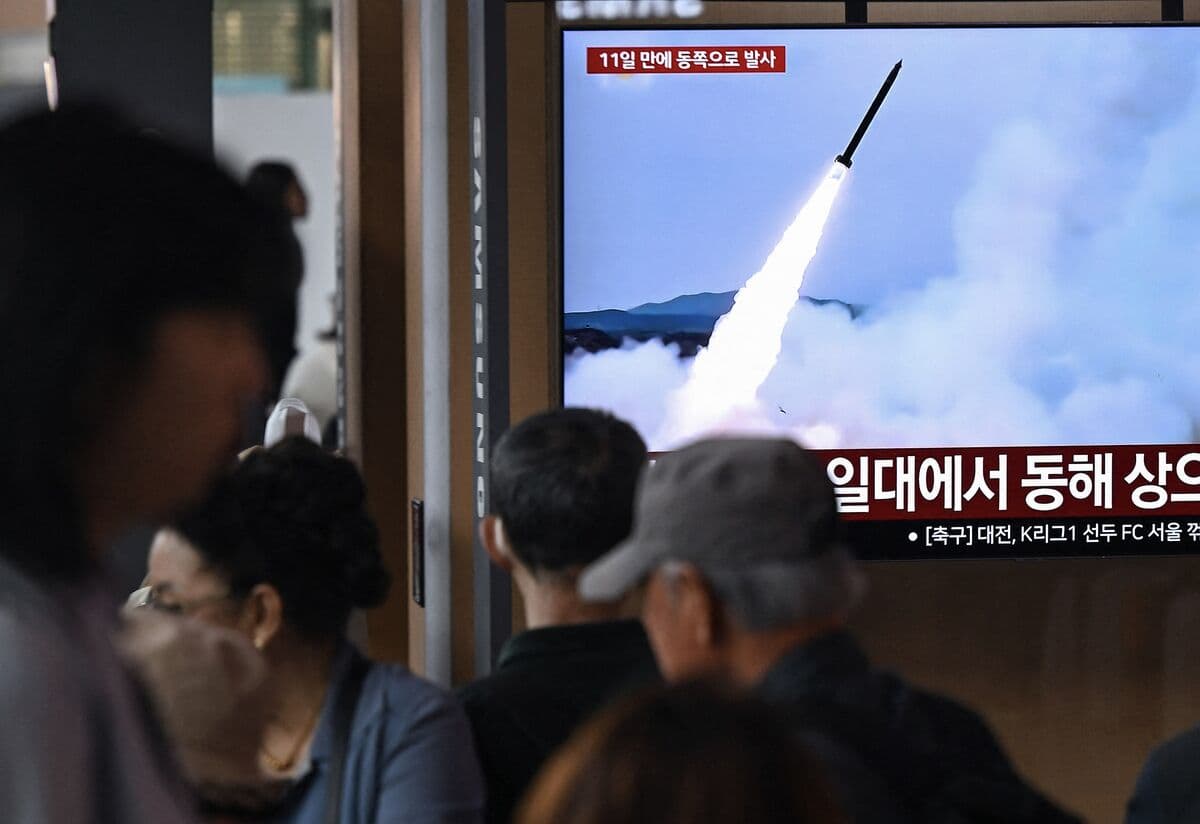
- •North Korea conducted three missile tests in April 2026.
- •New warhead designs suggest miniaturization for ICBM delivery.
- •US intelligence estimates 30‑35 operational nuclear warheads in Pyongyang’s arsenal.
- •Diplomatic talks stalled as Seoul focuses on Middle East crisis.
- •Sanctions enforcement tightened, targeting dual‑use technology imports.
Pulse Analysis
The recent wave of North Korean missile launches underscores a strategic pivot toward more sophisticated, miniaturized nuclear warheads. Analysts note that the design changes enable the integration of multiple warheads onto a single intercontinental ballistic missile, effectively multiplying Pyongyang’s strike capability. This technical leap narrows the window for U.S. missile defense systems and raises the stakes for allies such as Japan and South Korea, who must now consider both conventional and nuclear response options.
U.S. policymakers are grappling with the dual challenge of addressing the North Korean threat while maintaining focus on the ongoing Middle East conflict. The convergence of these crises strains intelligence resources and diplomatic bandwidth, prompting Washington to explore multilateral pressure mechanisms, including tighter sanctions on dual‑use technology and expanded coordination with regional partners. The latest intelligence assessments suggest Pyongyang now possesses roughly 30 to 35 operational nuclear warheads, a figure that, while still modest compared to major powers, signals a decisive move toward a credible deterrent posture.
The broader implications extend beyond immediate security concerns. A more capable North Korean arsenal could destabilize regional arms races, prompting neighboring states to accelerate their own missile programs or seek deeper security guarantees from the United States. Moreover, the heightened risk of nuclear proliferation may influence global non‑proliferation dialogues, compelling the U.N. and major powers to revisit enforcement mechanisms. For businesses operating in the region, heightened geopolitical tension translates into supply‑chain volatility and increased insurance costs, underscoring the need for robust risk‑management strategies.
North Korea’s Nuclear Program Reaches Tipping Point for the US
Comments
Want to join the conversation?
Loading comments...