Why It Matters
The move deepens European nuclear collaboration, signaling a shift toward greater strategic autonomy amid Russian aggression and doubts about U.S. policy reliability.
Key Takeaways
- •Norway joins France's nuclear deterrence initiative with nine European nations
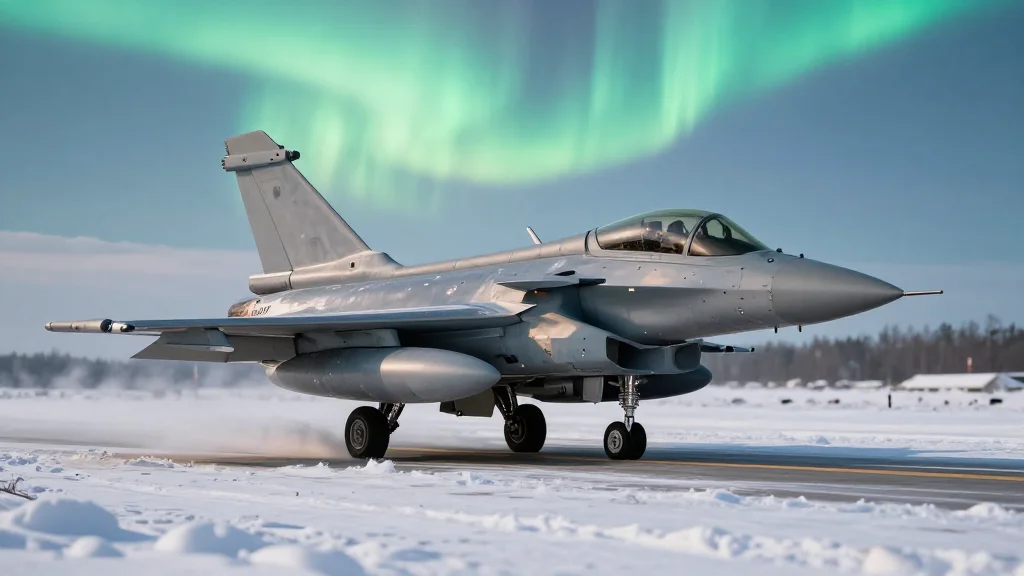
- •Initiative aims at joint drills, info sharing, possible Rafale deployments
- •Norway emphasizes reliance on NATO and no peacetime nuclear basing
- •France and Norway sign Narvik agreement covering air, space, Arctic security
- •Move reflects European response to Russia's rearmament and US policy doubts
Pulse Analysis
European security dynamics are evolving as France spearheads a new nuclear‑deterrence framework. Since President Macron’s March announcement, Germany, Poland, Greece, the Netherlands, Belgium, Denmark, Sweden and now Norway have entered talks that could lead to coordinated exercises and shared intelligence. The concept of "forward nuclear deterrence"—potentially deploying French Rafale fighters equipped with nuclear capability—represents a tangible step toward a more integrated continental defense posture, reducing reliance on external guarantees.
Norway’s participation carries distinct strategic weight. Situated just south of Russia’s Arctic nuclear bases, Oslo faces a direct threat corridor in the High North. By aligning with Paris, Norway gains access to advanced air‑defence and Arctic‑security expertise while reaffirming its commitment to NATO’s collective defense. The Narvik agreement further cements bilateral cooperation, extending beyond nuclear matters to encompass space surveillance and joint command dialogues, thereby enhancing situational awareness across the increasingly contested Arctic region.
The broader implications reverberate across the transatlantic alliance. As European capitals explore deeper nuclear collaboration, the United States may encounter a recalibrated security architecture that seeks greater autonomy from Washington’s policy swings. While no French nuclear weapons will be stationed on Norwegian soil during peacetime, the framework sets a precedent for rapid, coordinated responses should regional tensions escalate. Analysts view this as a pragmatic hedge against Russian rearmament, potentially reshaping NATO’s burden‑sharing calculus and prompting further dialogue on European strategic independence.
Norway joins France’s nuclear deterrence club
Comments
Want to join the conversation?
Loading comments...