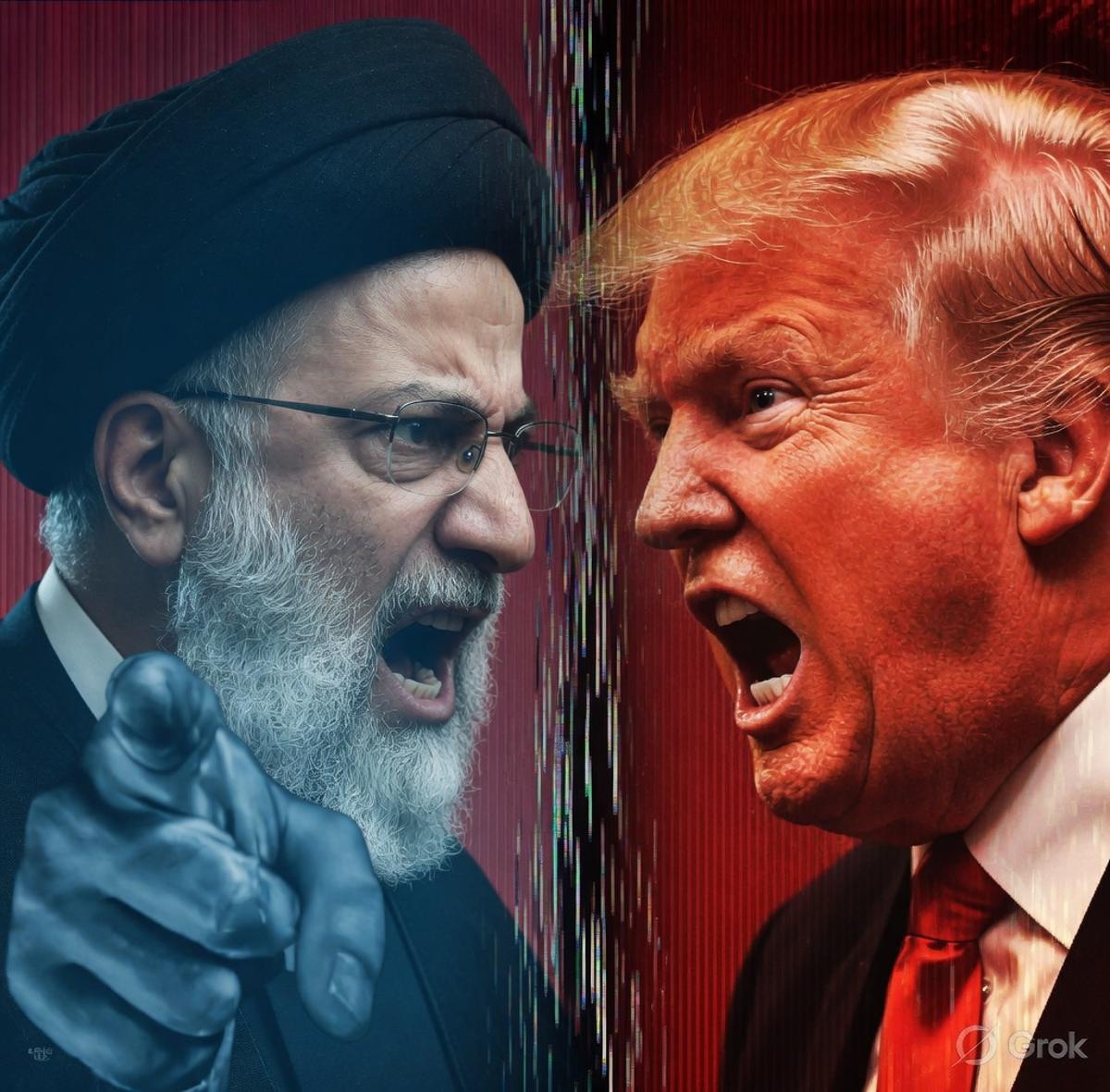
Not Missiles, But Money: How Trump Can Buy IRGC Loyalty, Force Total Iran Surrender & Win Mid-Terms: OPED
Why It Matters
A decisive, economically‑driven strategy could turn a contested war into a political win for Republicans while altering the long‑term U.S.–Iran power balance.
Key Takeaways
- •Trump claims Iran’s nuclear and missile capabilities are crippled
- •Analysts say lasting victory requires dismantling the IRGC’s economic grip
- •Proposed plan: offer IRGC commanders asset protection for regime surrender
- •Success could boost Republican mid‑term prospects and reshape US‑Iran policy
- •Occupation is rejected; orchestration via diaspora and financial tools emphasized
Pulse Analysis
The looming 2026 mid‑term elections have turned the Iran conflict into a domestic political litmus test. While mainstream media and many in Trump’s base demand an immediate end to hostilities, the administration’s narrative of a "total victory" hinges on more than battlefield successes. Analysts such as Ira Straus argue that a clear, decisive outcome—ideally a regime change in Tehran—could galvanize Republican voters, echoing historic rewards for presidents who won wars. The stakes are high: a loss could erode GOP majorities, while a win could cement Trump’s influence through 2028.
Central to the proposed path to victory is the Islamic Revolutionary Guard Corps, which controls over half of Iran’s GDP through a sprawling corporate empire. With roughly 2.5 million civil servants and a 420,000‑strong conventional military, the IRGC’s economic clout outweighs its ideological zeal. Experts like Gregg Roman suggest the United States should map incentives at the commander level, offering asset protection and limited amnesty in exchange for surrendering institutional power. This approach costs a fraction of sustained bombing campaigns and directly attacks the financial ligaments that sustain the theocratic regime, turning economic leverage into a diplomatic weapon.
If the United States can orchestrate a transition—leveraging diaspora talent, civil administrators, and targeted financial sanctions—the outcome could reshape regional dynamics. A post‑IRGC Iran, less hostile to U.S. and Israeli interests, would likely curtail proxy wars in Yemen, Lebanon, and Gaza, and reopen the Strait of Hormuz for smoother oil flows. Conversely, a failed attempt could deepen humanitarian crises and reinforce hardline narratives. The strategy underscores a broader shift in U.S. foreign policy: moving from kinetic strikes to precision economic incentives to achieve strategic objectives without occupying foreign soil.
Not Missiles, But Money: How Trump Can Buy IRGC Loyalty, Force Total Iran Surrender & Win Mid-Terms: OPED
Comments
Want to join the conversation?
Loading comments...