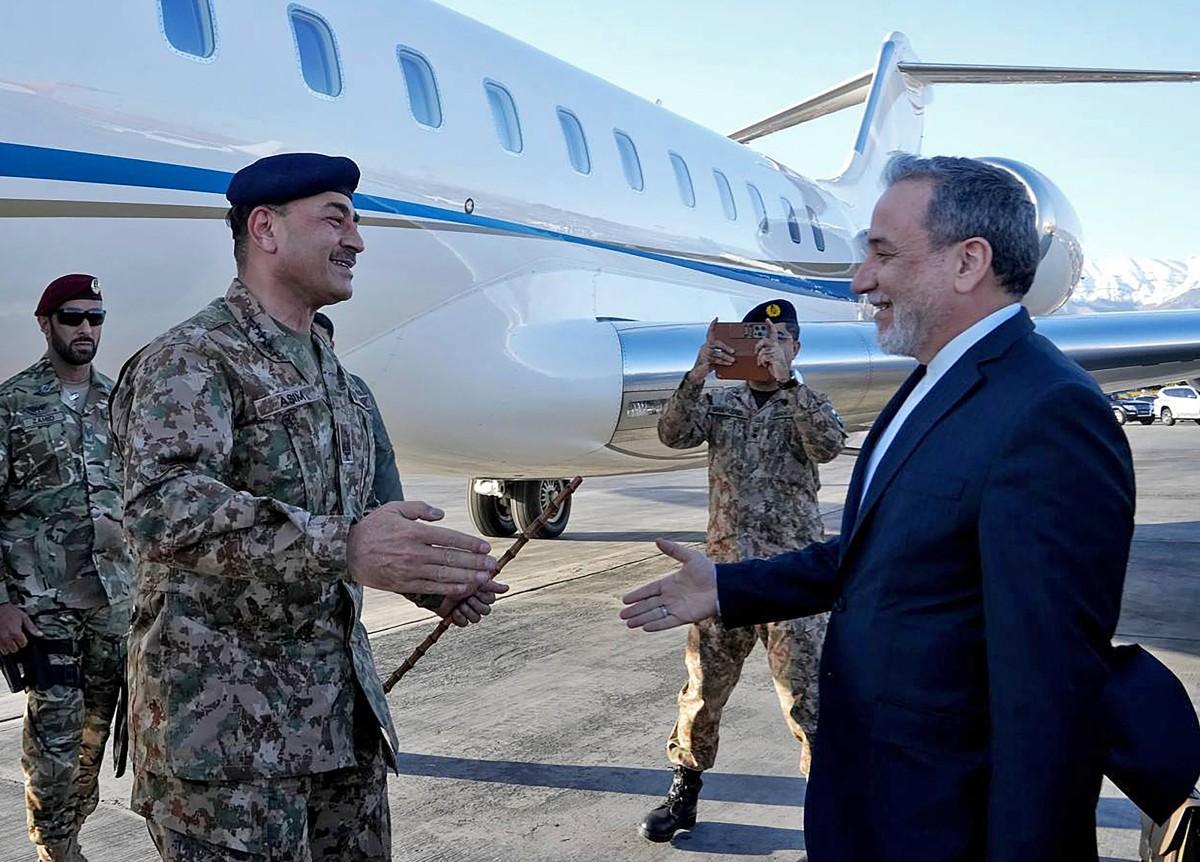
“Not Shocked If True”: U.S. Senator Slams Pakistan’s Mediation Role Over Iranian Aircraft at Nur Khan Airbase
Why It Matters
If true, the presence of Iranian aircraft could erode Pakistan’s standing as an impartial broker, jeopardizing fragile US‑Iran negotiations and regional stability.
Key Takeaways
- •CBS alleges Iranian RC-130 landed at Nur Khan after April 8 ceasefire
- •Pakistan denies report, says aircraft support diplomatic personnel, not military
- •Senator Lindsey Graham questions Pakistan’s mediator credibility
- •Base previously lost 20% of infrastructure in Indian Operation Sindoor
- •Repairs now adding hardened shelters to guard against future attacks
Pulse Analysis
Pakistan’s role as a peace‑facilitator between Washington and Tehran has been thrust into the spotlight after CBS News claimed Iranian military aircraft were temporarily stationed at Nur Khan Air Base. The report, citing unnamed U.S. officials, says the RC‑130 transport arrived days after the ceasefire that halted U.S. and Israeli strikes on Iranian facilities. Islamabad’s Ministry of Foreign Affairs dismissed the story as sensationalized, emphasizing that any aircraft on its tarmac were there to ferry diplomatic staff and security teams for the ongoing talks. The narrative has drawn swift rebuke from U.S. Senator Lindsey Graham, who warned that such alleged cooperation could force Washington to reassess Pakistan’s mediation value.
Nur Khan, a strategic hub housing Pakistan’s army headquarters and key air‑mobility assets, has endured a series of assaults that underscore its vulnerability. In May 2025, India’s Operation Sindoor targeted the base, destroying roughly 20% of its infrastructure, including hangars, fuel trucks, and a fleet of Turkish‑made Bayraktar TB‑2 drones valued at about $300 million. Subsequent Taliban‑linked drone strikes in early 2026 added to the damage. Since then, Pakistan has embarked on a massive repair program, constructing hardened shelters and reinforced runways to shield aircraft from future precision attacks. The alleged presence of Iranian planes, if verified, would place additional operational and security strains on a facility already coping with reconstruction.
The broader geopolitical stakes are high. Pakistan’s credibility as a neutral conduit is essential for sustaining the fragile US‑Iran ceasefire and advancing the next round of talks slated for Islamabad. Any perception of bias—especially toward Tehran—could prompt Washington to curtail diplomatic engagement or seek alternative mediators, reshaping power dynamics in South Asia and the Middle East. Moreover, the episode highlights the intricate web of regional rivalries, where India, the Taliban, and external powers like the United States and Israel all vie for influence, making Pakistan’s strategic choices pivotal for future stability.
“Not Shocked If True”: U.S. Senator Slams Pakistan’s Mediation Role Over Iranian Aircraft at Nur Khan Airbase
Comments
Want to join the conversation?
Loading comments...