Nuclear-Capable Oreshnik Missile Used on Ukraine — and Pro-War Russians Are Disappointed and Furious with the Results (Ukraine Battlefield Update, Day 1,551)
Why It Matters
The use of a strategic, nuclear‑designed missile without a warhead signals a new escalation posture while highlighting the challenges Russia faces in demonstrating tangible military success, affecting both domestic propaganda and international risk assessments.
Key Takeaways
- •Oreshnik missile launched without warhead, relying on kinetic impact
- •600 drones and 90 missiles attacked Kyiv; 16 missiles penetrated
- •Russian hard‑liners criticize lack of visible damage from Oreshnik
- •Ukraine’s air defenses downed 549 drones and 55 missiles
- •Frontline advances under a kilometre, indicating a stalemate
Pulse Analysis
The Oreshnik missile, originally engineered to deliver nuclear payloads, was fired at the Kyiv region without any warhead, turning the weapon into a high‑speed kinetic projectile. While its destructive capacity is limited compared to a nuclear detonation, the launch serves a dual purpose: it showcases Russia’s ability to field strategic systems and sends a psychological message to both Ukrainian forces and Western observers. The absence of a warhead also reduces the risk of nuclear escalation, yet it underscores a willingness to employ costly, high‑profile weapons for conventional effects.
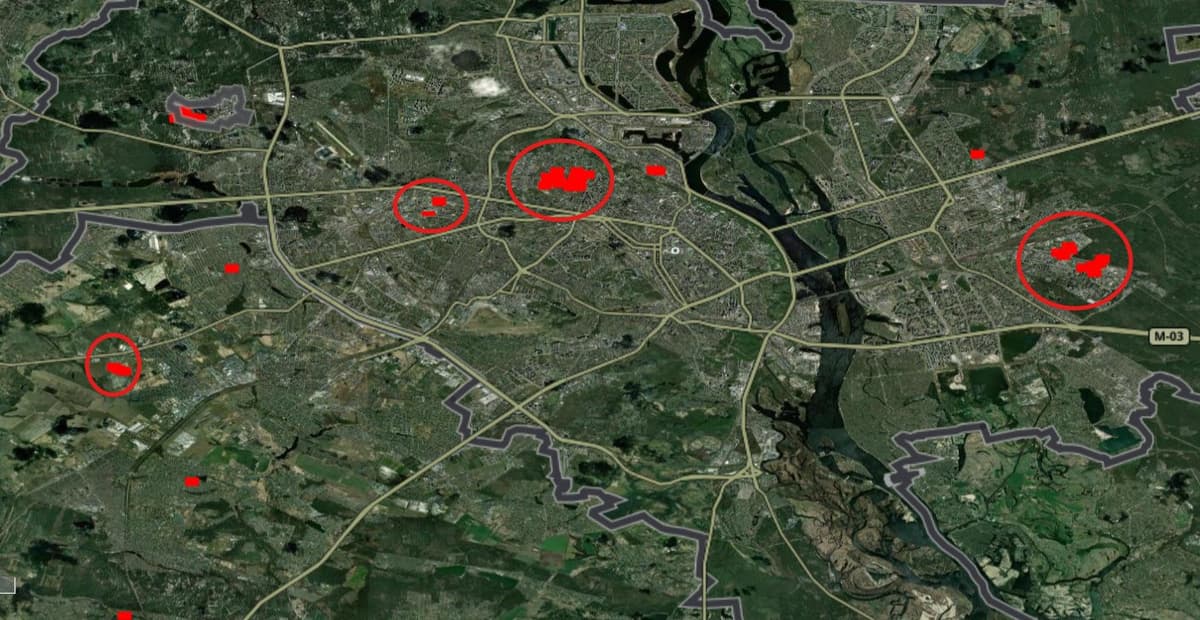
The broader raid combined 600 drones with 90 missiles and cruise missiles, including Iskander, Zircon and Kh‑101 types. Ukrainian air defenses reported shooting down 549 drones and 55 missiles, but 16 missiles and 51 drones still reached their targets, striking infrastructure in Kyiv and the town of Bila Tserkva. Russian officials framed the operation as a direct response to a disputed Ukrainian strike on a dormitory in Starobilsk, using the narrative to justify the deployment of Oreshnik. The attack’s mixed results—some targets hit, many others missed—highlight the evolving cat‑and‑mouse dynamic between Russian long‑range strike capabilities and Ukraine’s increasingly layered air‑defence network.
Domestically, Russian hard‑liners expressed frustration that the Oreshnik strike produced no clear, dramatic footage, eroding confidence in the Kremlin’s narrative of decisive victories. This disappointment reveals a growing information fatigue among pro‑war audiences, who demand visible proof of success. Strategically, the limited territorial gains—under a kilometre on the Sumy and Vovchansk fronts—suggest a stalemate despite the high‑profile weaponry. The episode may prompt Moscow to recalibrate its use of strategic missiles, balancing the desire for shock value against the practical need for measurable outcomes in a protracted conflict.
Nuclear-capable Oreshnik missile used on Ukraine — and pro-war Russians are disappointed and furious with the results (Ukraine Battlefield update, Day 1,551)
Comments
Want to join the conversation?
Loading comments...