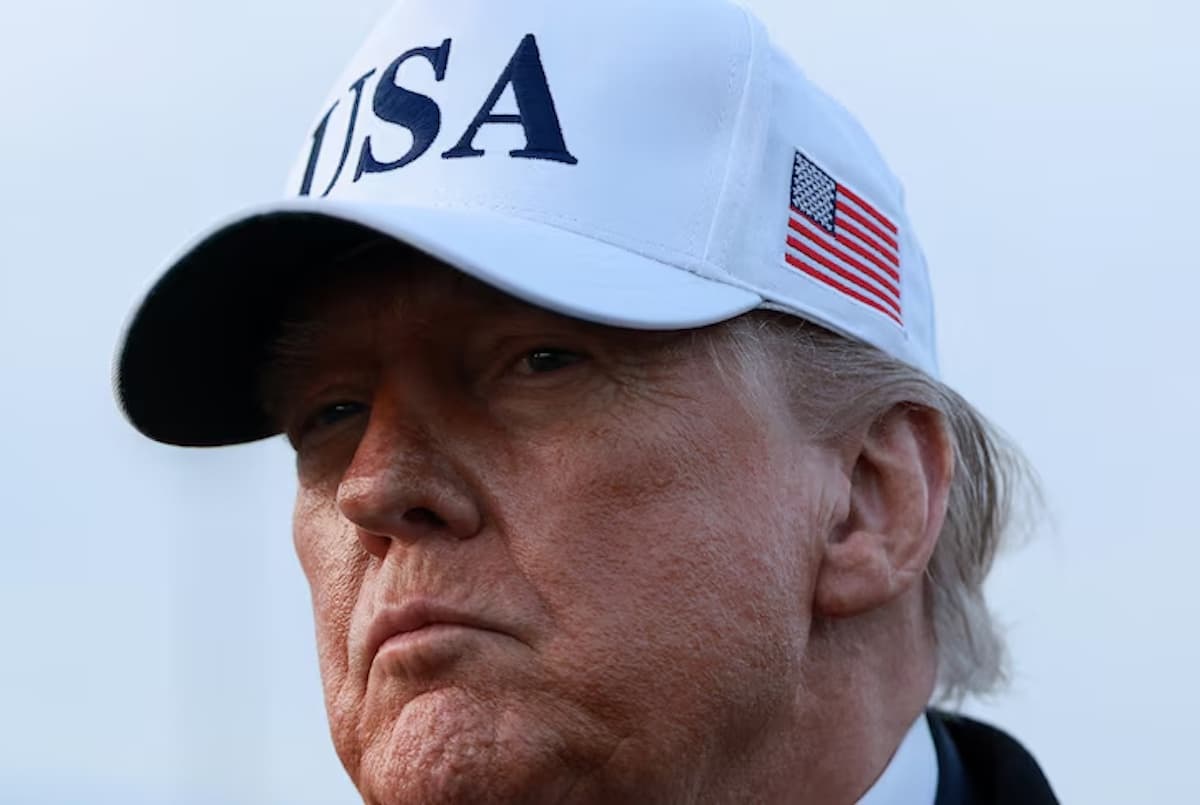
Nuclear Holocaust Threat Just Another Day in Trump World
Why It Matters
The threat raises the risk of nuclear escalation, destabilizing Middle‑East security and unsettling global markets. It also fuels a constitutional crisis over presidential authority in wartime decisions.
Key Takeaways
- •Trump threatened nuclear strike on Iran, calling it “whole civilization” would die
- •US conducted “self‑defense” strikes on Iranian facilities in Strait of Hormuz
- •Iran and US exchanged fire, each accusing other of cease‑fire violations
- •Democratic lawmakers urged 25th Amendment removal over war‑crime threats
- •Experts warn rhetoric raises nuclear escalation risk and market volatility
Pulse Analysis
The latest flare‑up between Washington and Tehran underscores how personal rhetoric can reshape strategic calculus. Trump’s overt nuclear threat, delivered amid a contested cease‑fire, diverges sharply from traditional diplomatic channels that have long aimed to prevent Iran’s nuclear ambitions. By framing the conflict as a battle over Iranian energy infrastructure, the administration risks normalizing language that could be interpreted as a prelude to nuclear use, eroding the credibility of non‑proliferation norms that underpin global security architectures.
Domestically, the president’s statements have ignited a constitutional showdown. Prominent members of Congress, citing the 25th Amendment, have called for the removal of a commander‑in‑chief whose language borders on war‑crime. Advocacy groups such as the National Iranian‑American Council have amplified concerns about unlawful orders, while legal scholars warn that the chain of command could be forced to refuse illegal directives. This internal discord not only threatens the stability of U.S. governance but also signals to allies and adversaries alike that American decision‑making may be subject to erratic impulses.
For investors and market participants, the episode injects heightened uncertainty into energy and defense sectors. Any escalation could disrupt oil flows through the Strait of Hormuz, a chokepoint responsible for roughly 20% of global petroleum shipments, prompting price spikes and supply chain shocks. Simultaneously, defense contractors may see short‑term demand for missile defense systems, yet prolonged instability could deter long‑term capital allocation. The broader lesson for the business community is clear: geopolitical risk assessments must now factor in the volatility of presidential rhetoric as a material variable influencing both market sentiment and operational continuity.
Nuclear holocaust threat just another day in Trump World
Comments
Want to join the conversation?
Loading comments...