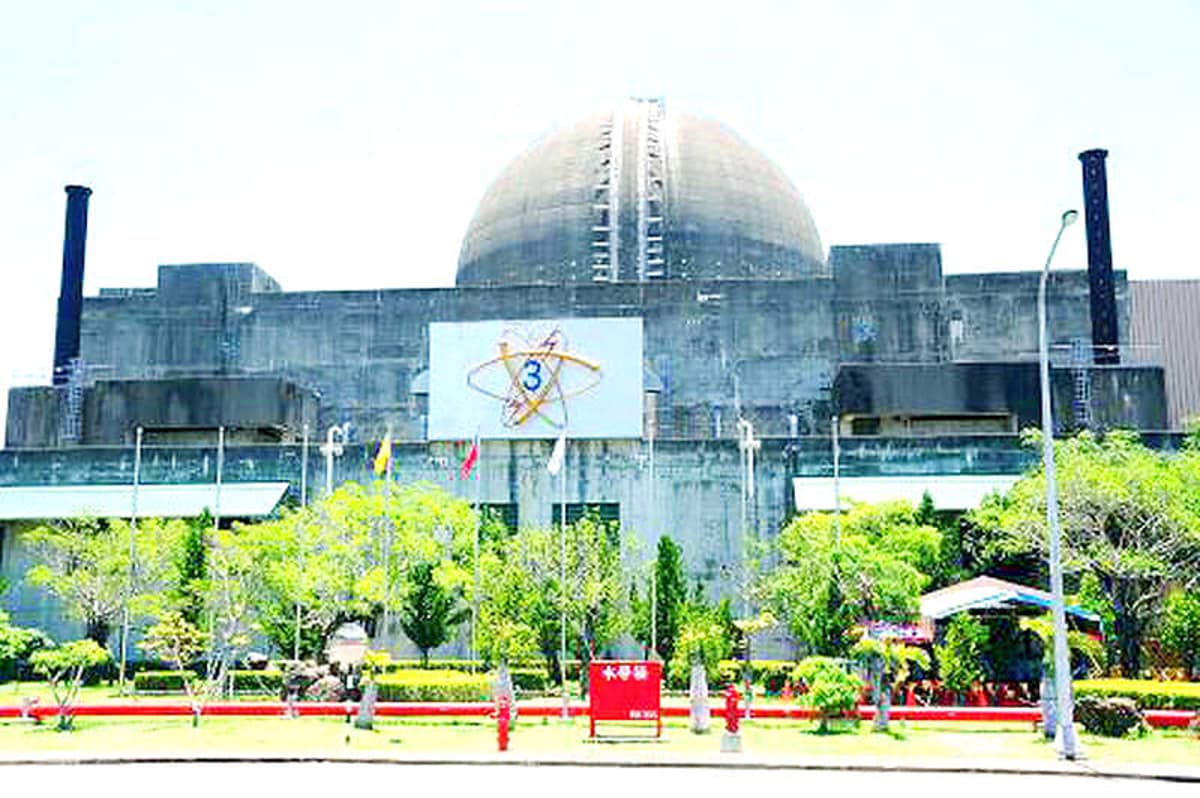
Nuclear Plants Prepared for Drone Attacks, Official Says
Companies Mentioned
Why It Matters
Integrating drone‑attack protocols strengthens Taiwan’s nuclear resilience amid rising geopolitical threats, while the dry‑storage dispute and shelter concerns highlight regulatory and safety challenges that could affect public trust and future plant operations.
Key Takeaways
- •Taiwan's nuclear plants now include drone‑attack response in annual drills
- •Officials say emergency plans coordinate evacuations with local governments
- •U.S. contractor NAC won dry‑storage contract despite Holtec safety concerns
- •Control Yuan warns flood‑prone shelters could hinder disaster response
Pulse Analysis
The rise of unmanned aerial systems has forced nuclear regulators worldwide to rethink security postures, and Taiwan is no exception. After a drone‑induced fire at a United Arab Emirates facility sparked regional alarm, Taiwan’s Nuclear Safety Commission formally embedded drone‑attack scenarios into its annual security drills. This move signals a proactive stance, ensuring that plant operators, security forces, and local authorities can practice coordinated responses, from rapid lockdowns to airborne threat neutralization, thereby reducing the risk of a catastrophic release.
At the same time, Taiwan’s nuclear infrastructure faces scrutiny over its dry‑storage procurement process. U.S. contractor NAC International secured contracts for both indoor and outdoor storage facilities despite Holtec International’s criticism that NAC’s boric‑acid concentration fell short of standards. The commission defended the decision, noting that NAC’s products meet U.S. Nuclear Regulatory Commission approvals and align with Taipower’s tender specifications for mature, internationally accepted technologies. This controversy underscores the delicate balance between expediting decommissioning timelines and upholding stringent safety benchmarks.
Beyond technical safeguards, the Control Yuan’s recent warning about emergency‑response shelters exposes a broader vulnerability: many designated evacuation sites sit in flood‑prone, tsunami‑susceptible, or seismically active zones. Past incidents, such as Japan’s 2024 Noto Peninsula quake, illustrate how damaged transport routes can cripple evacuation efforts. By urging a comprehensive reassessment of shelter locations and contingency plans, the oversight body highlights the need for integrated disaster‑risk management that accounts for Taiwan’s frequent earthquakes and extreme weather, ensuring that nuclear safety measures remain robust under multiple threat scenarios.
Nuclear plants prepared for drone attacks, official says
Comments
Want to join the conversation?
Loading comments...