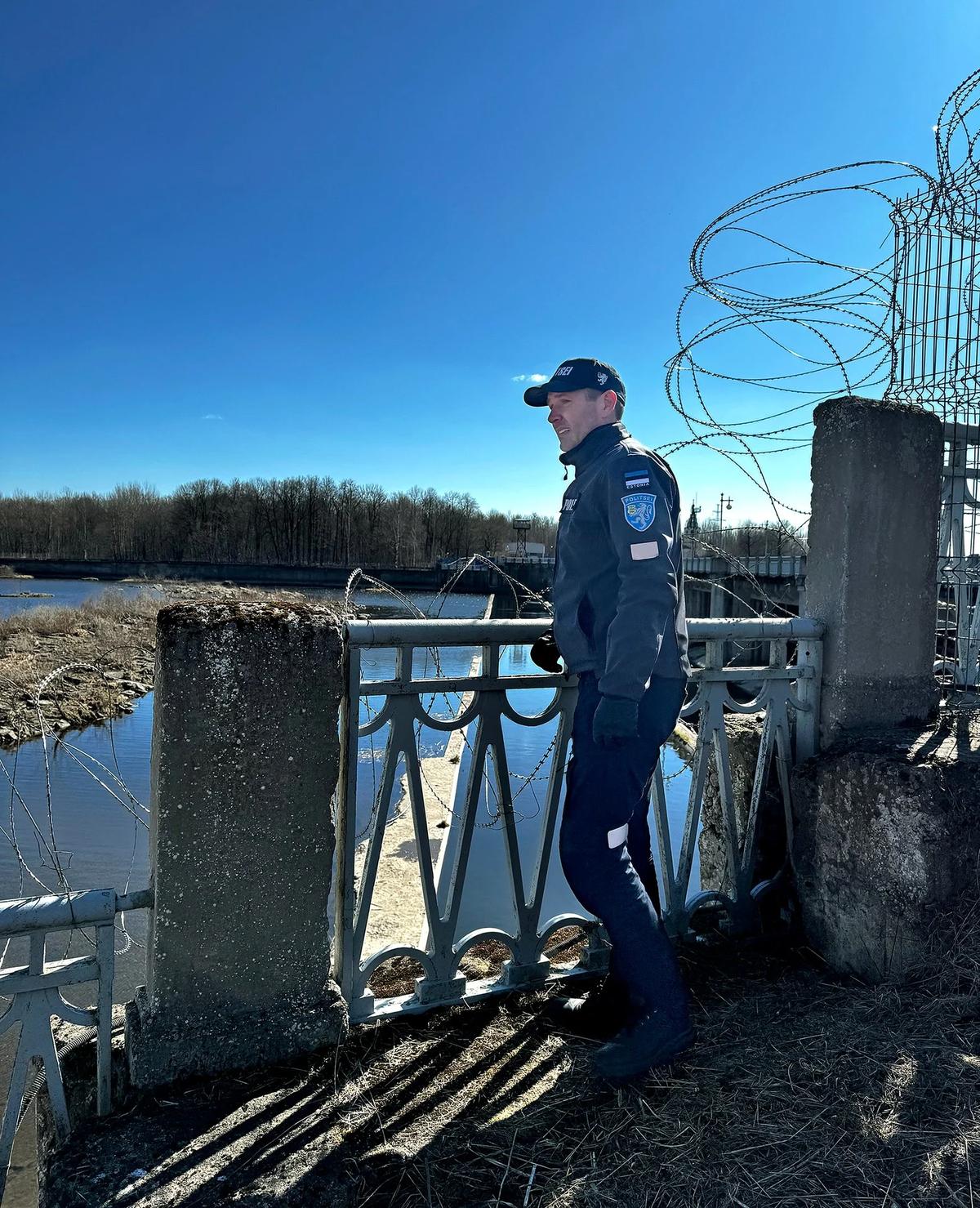
On the Front Line of Estonia’s Multi-Million Euro Defence Build-Up
Companies Mentioned
Why It Matters
The surge underscores Estonia’s shift from welfare spending to hard security, bolstering NATO’s Baltic flank and spawning a fast‑growing defence industry. It also raises the civilian burden of preparedness in a region bordering an aggressive Russia.
Key Takeaways
- •Defence spending exceeds 5% of GDP in 2024
- •HIMARS launchers bought from the United States
- •Private firms target millions of rockets per year
- •Citizens receive shelter app and month‑long supplies
- •Border towns host infantry vehicles against Russian drones
Pulse Analysis
Estonia’s security calculus has been reshaped by Russia’s war in Ukraine, prompting the Baltic nation to allocate more than five percent of its gross domestic product to defence – a level that outpaces most NATO members. This budgetary leap reflects a bipartisan consensus that freedom and territorial integrity now outweigh traditional welfare priorities. By integrating American HIMARS rocket launchers and expanding long‑range strike capabilities, Estonia signals its intent to deter aggression and, if necessary, project force deep into hostile territory, reinforcing the Alliance’s collective defence posture.
The private sector is becoming a cornerstone of Estonia’s military modernization. Companies like Frankenburg Technologies are developing AI‑guided Mark 1 rockets designed to counter drones at low cost, while Threod Systems scales up production of reconnaissance drones and disposable launch kits, having multiplied its workforce nearly threefold since 2022. These firms aim to produce millions of rockets annually, turning Estonia into a niche exporter of affordable, high‑precision munitions. The surge in defence manufacturing not only creates high‑skill jobs but also positions the country as a strategic supplier for NATO allies seeking cost‑effective solutions.
Beyond hardware, Estonia is fortifying civil resilience. A nationwide network of shelters, stocked for a month’s survival, is complemented by a smartphone app that pinpoints the nearest safe haven and issues real‑time drone alerts. This dual approach of hard‑kill capabilities and civilian preparedness reflects a holistic defence strategy, ensuring that both military personnel and ordinary citizens can respond swiftly to any incursion. As the Baltic region remains a flashpoint, Estonia’s comprehensive build‑up offers a template for small states confronting larger adversaries.
On the front line of Estonia’s multi-million euro defence build-up
Comments
Want to join the conversation?
Loading comments...