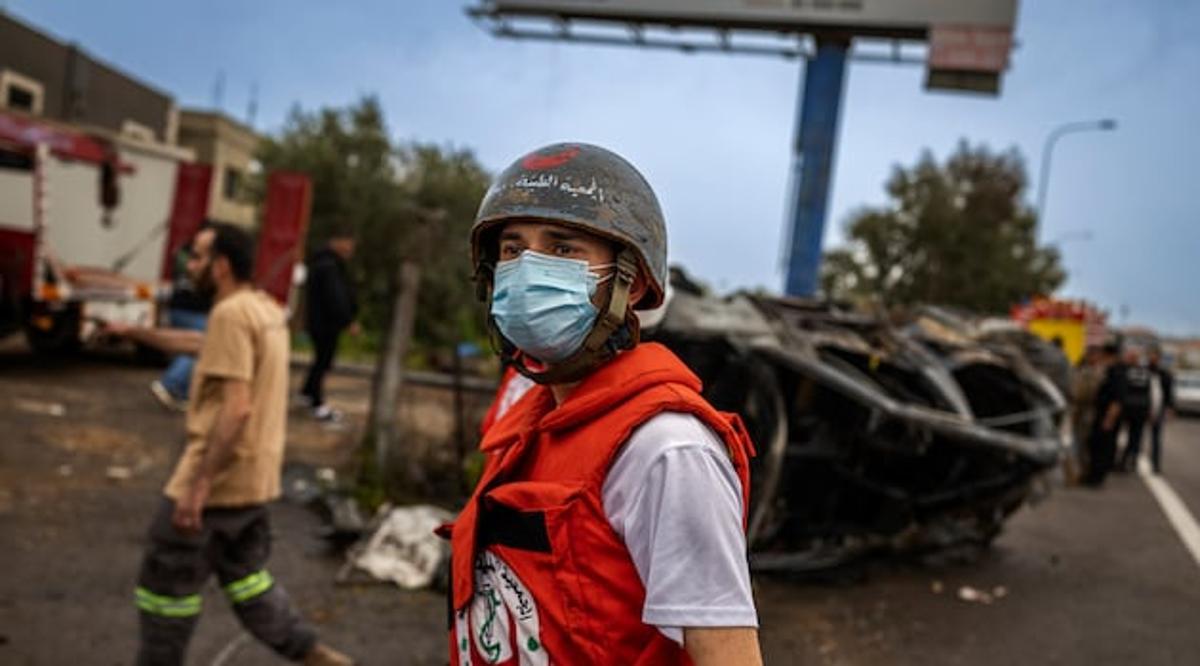
One-Week Ceasefire in Lebanon Expected to Take Effect as US-Iran Truce Efforts Continue
Why It Matters
The truce could de‑escalate a volatile front, creating space for diplomatic breakthroughs on Iran’s nuclear program and broader regional stability. It also signals how US leverage can shape conflict dynamics beyond direct combat zones.
Key Takeaways
- •One‑week Lebanon ceasefire slated to start Thursday, aligning with US‑Iran truce
- •Iran demands ceasefire, linking it to broader US‑Iran framework talks
- •US proposes 20‑year nuclear suspension; Iran counters with 3‑5‑year halt
- •US naval blockade halted nine Iranian ships in first 48 hours
- •Conflict killed >2,000 in Lebanon, displaced 1.2 million people
Pulse Analysis
The proposed one‑week ceasefire in Lebanon reflects a strategic pivot by Washington, which is leveraging its diplomatic weight to coax Tehran into a broader peace framework. By tying the Lebanon pause to the larger US‑Iran negotiations, the United States hopes to create a synchronized de‑escalation that can limit Israel’s offensive options while opening a window for talks on a lasting settlement. The timing aligns with the expiration of the current US‑Iran ceasefire on April 22, suggesting that both sides view a regional lull as essential to any meaningful dialogue.
At the core of the negotiations is Iran’s nuclear program, a perennial flashpoint. The United States has floated a 20‑year suspension of all nuclear activity, a significant concession compared with earlier demands for a permanent ban. Tehran, however, is only willing to halt enrichment for three to five years, underscoring the deep mistrust that still colors the talks. Simultaneously, the US naval blockade, which has already interdicted nine Iranian vessels, adds pressure but also risks widening economic fallout, prompting Tehran to threaten blockades of Red Sea and Gulf shipping lanes.
Humanitarian stakes remain stark. The conflict has claimed more than 2,000 lives in Lebanon and forced 1.2 million residents from their homes, while Israeli casualties continue to mount. Public opinion in Israel shows a divided view of the war’s conduct, with only 38 percent rating the government’s handling as good or excellent. A brief ceasefire could alleviate civilian suffering, restore some economic activity, and, crucially, buy time for diplomats to negotiate a durable resolution that addresses both security concerns and the dire humanitarian crisis.
One-week ceasefire in Lebanon expected to take effect as US-Iran truce efforts continue
Comments
Want to join the conversation?
Loading comments...