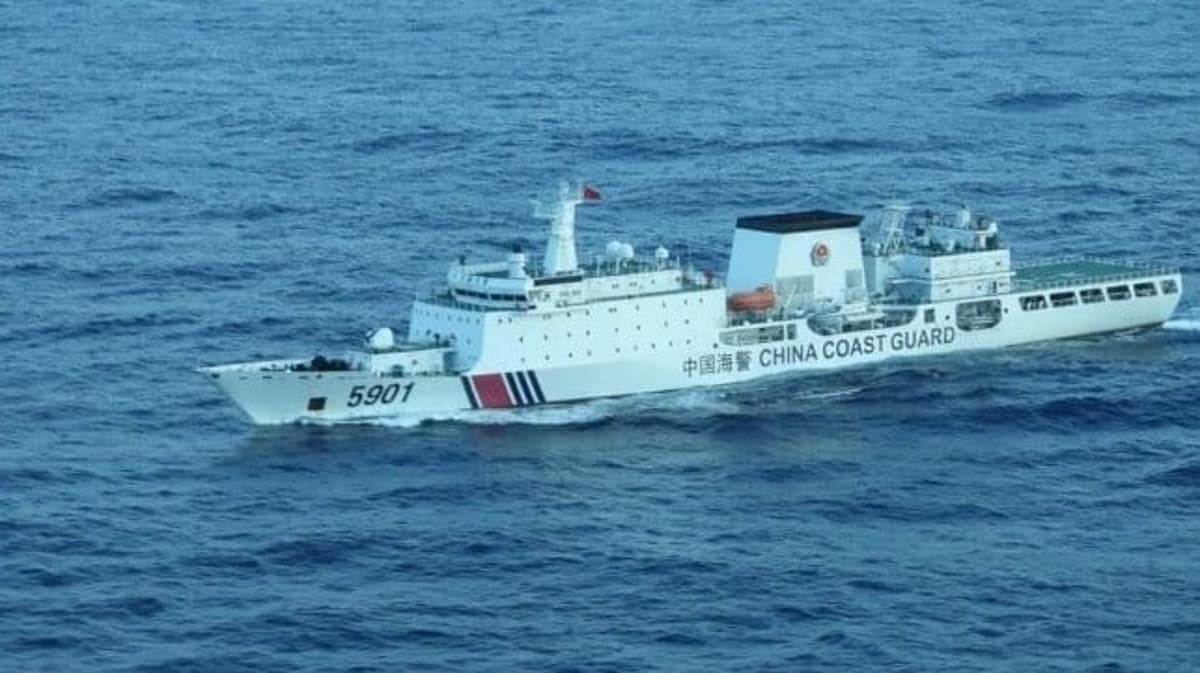
Op-Ed: China's Gray Zone Fleet Is Undermining Taiwan's Control at Sea
Why It Matters
The campaign erodes Taiwan’s maritime domain awareness and threatens critical infrastructure, raising security stakes for regional stability and U.S. partners.
Key Takeaways
- •Hundreds of civilian vessels swarm Taiwan's outlying islands, overwhelming coast guard
- •China Coast Guard patrols near Kinmen and Matsu normalize Chinese presence
- •Subsea cable cuts in 2023 and 2025 expose digital infrastructure vulnerability
- •Integrated “three sea forces” blend civilian, militia, and navy for escalation
- •Enhanced AIS, satellite and legal tools needed to counter grey‑zone pressure
Pulse Analysis
China’s grey‑zone fleet represents a deliberate evolution of maritime coercion that sidesteps traditional naval escalation. By weaving together coast‑guard cutters, fishing fleets, sand‑dredging barges and ostensibly commercial cargo ships, Beijing creates a dense, ambiguous presence that can be mobilised at short notice. The 2025 data released by Taiwan’s Ministry of National Defense show a more even distribution of these vessels throughout the year, indicating a shift from reactive signaling to sustained pressure aimed at normalising Chinese activity in the Taiwan Strait.
For Taiwan, the implications are multifaceted. Swarming civilian vessels overwhelm the island’s coast‑guard resources, limiting its ability to enforce maritime law and protect territorial waters. Repeated incursions near Kinmen and Matsu, coupled with deliberate interference with subsea internet cables, expose vulnerabilities in both physical and digital infrastructure. Such actions not only degrade civilian communications but also test Taiwan’s escalation‑management protocols, increasing the risk that a minor incident could spiral into a broader confrontation involving the People’s Liberation Army.
Countering this grey‑zone strategy requires a blend of transparency, technology and legal reinforcement. Integrating satellite imagery, AIS analytics and radar monitoring can reveal coordinated patterns that betray state direction behind ostensibly private vessels. Strengthening legal frameworks for boarding and prosecuting illicit activities, while expanding Taiwan’s coast‑guard surveillance capabilities, will raise the cost of ambiguous coercion. Regional partners, particularly the United States, can bolster these efforts through shared intelligence, rapid‑repair kits for damaged cables, and joint training that equips Taiwanese forces to respond decisively without escalating to kinetic conflict.
Op-Ed: China's Gray Zone Fleet is Undermining Taiwan's Control at Sea
Comments
Want to join the conversation?
Loading comments...