OpEd: Russian Ceasefire Scam Hardens Ukrainian and Widens Maritime Risk
Companies Mentioned
Why It Matters
The shift signals a weakening Russian strategic posture and a heightened maritime risk profile for vessels tied to Russia, reshaping global shipping routes and insurance calculations.
Key Takeaways
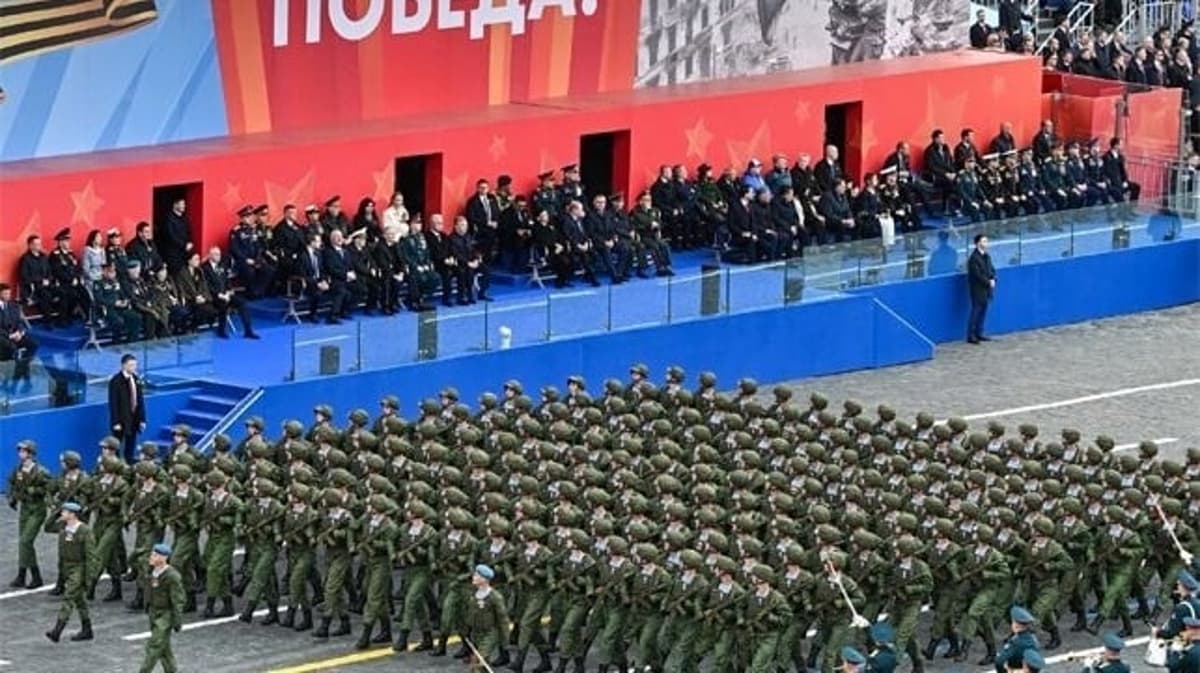
- •Putin’s scaled‑down Victory Day parade signals Russian military weakness
- •Ukraine’s drone and missile production now outpaces Russia’s
- •New FP‑2 drone can strike targets 1,000 miles away
- •Ukrainian attacks on Russian‑flagged vessels likely to expand globally
- •Europe and Gulf states see Ukraine as key security partner
Pulse Analysis
The May 9 Victory Day ceremony, traditionally a showcase of Russian might, was reduced to a brief, equipment‑free event, signaling a stark decline in confidence on the battlefield. President Putin’s appeal to former President Trump for a cease‑fire, followed by the failure to free the agreed‑upon Ukrainian prisoners, has eroded trust in Moscow’s diplomatic reliability. This political misstep not only isolates Russia from potential Western mediators but also emboldens Kyiv to lean on European and Gulf partners for strategic support, reinforcing a new alignment in the conflict.
Ukraine’s rapid advancement in unmanned systems and precision missiles is redefining the maritime threat landscape. The Firepoint FP‑2 drone, now capable of striking targets up to 1,000 miles away, and the FP‑5 missile, produced at roughly 50 units per week and rivaling the range of the Tomahawk, illustrate a production tempo that outpaces Russian output. Backed by Emirati investment and integrated with the Delta battle‑management system, these weapons enable Ukraine to conduct long‑range strikes against Russian‑flagged vessels far beyond the Black Sea, extending risk to commercial tankers and LNG carriers transiting global routes.
For the maritime community, the implication is a heightened exposure to hostile actions on vessels linked to Russia, even when carrying non‑Russian cargo such as Kazakh crude. Insurers are likely to reassess premiums, and ship owners may reroute to avoid high‑risk zones, potentially increasing transit times and costs. The evolving geopolitical calculus, with Europe and Gulf states deepening ties to Kyiv, suggests that maritime security strategies will need to incorporate broader intelligence sharing and real‑time threat monitoring to safeguard global supply chains against an expanding Ukrainian maritime offensive.
OpEd: Russian Ceasefire Scam Hardens Ukrainian and Widens Maritime Risk
Comments
Want to join the conversation?
Loading comments...